Acadia National Park
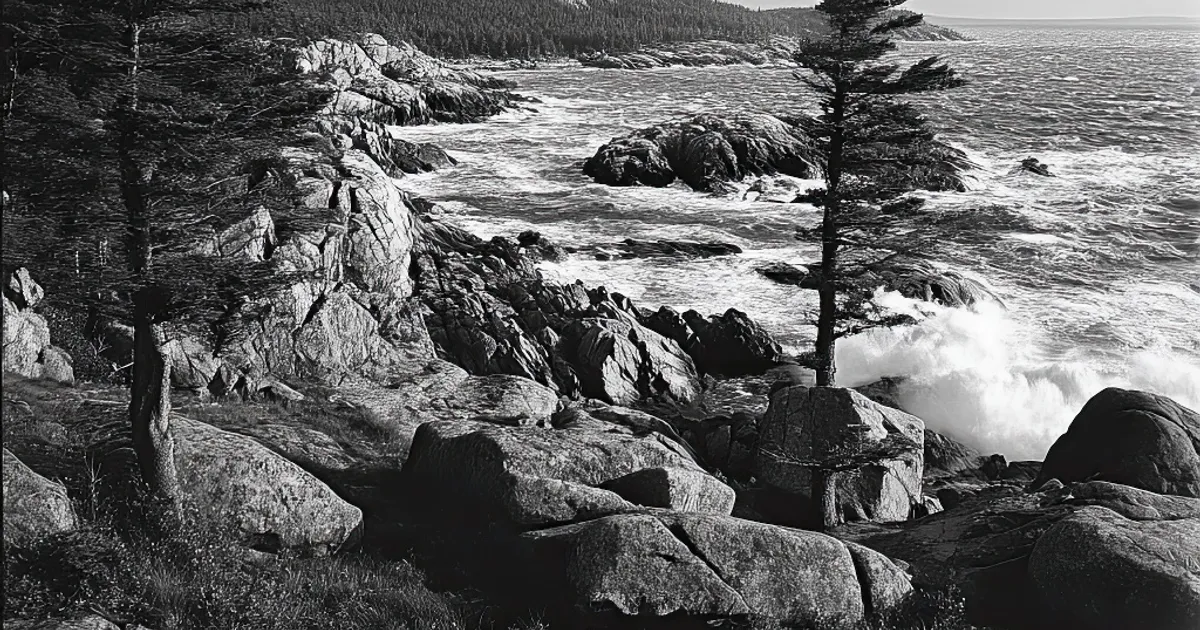
Fast Facts
Acadia National Park: Where Granite Cliffs Meet the Freezing Atlantic
Perched on Maine's rugged coast where 55°F ocean water claims lives through hypothermia and granite cliffs drop 1,000 feet to crushing waves, Acadia National Park deceives 3.9 million annual visitors with postcard beauty that masks lethal hazards. This 50,000-acre death trap combines slippery iron-rung cliff trails, rogue waves that sweep tourists to their doom, and summer fog so thick rescue helicopters can't land. With vertical cliff faces requiring technical climbing skills marketed as "hiking trails," unpredictable Atlantic storms, and a tick population spreading Lyme disease at epidemic rates, Acadia kills through falls, drowning, and disease while visitors chase sunrise photos from Cadillac Mountain.
Essential Information at a Glance
- Size: 49,076 acres on Mount Desert Island and Schoodic Peninsula
- Established: February 26, 1919 (first national park east of Mississippi)
- Annual Visitors: 3,970,260 (2023) - #5 most visited national park
- Elevation Range: Sea level to 1,530 feet (Cadillac Mountain)
- Entry Fee: $35 per vehicle (7 days), $15 per person, $30 motorcycle
- Cadillac Summit Road: $6 additional reservation (May-October)
- Key Dangers: Cliff falls, hypothermic ocean, rogue waves, tick-borne illness
Survival Essentials: Atlantic Coast Preparedness
The Cliff Equation: Wet Granite + Heights = Death
Acadia's famous iron-rung trails kill and maim yearly. The Precipice Trail alone has claimed multiple lives from 1,000-foot falls. Granite becomes ice when wet, and Maine's frequent fog creates deadly conditions in minutes.
Recommended gear: cliff-climbing-safety
We may earn a commission from purchases made through links on this page.
Acadia Survival Arsenal
Cliff & Trail Safety
- Climbing harness for exposed sections (not required but smart)
- Approach shoes with sticky rubber soles
- Leather gloves for iron rungs (prevent slipping)
- Emergency whistle (help may be 1,000 feet below)
- First aid kit with splinting materials
Ocean Survival Gear
- Hypothermia prevention layers (water never exceeds 60°F)
- Personal flotation device for kayaking
- Emergency thermal blanket
- Waterproof phone case
- Tide charts (essential for coastal hiking)
Weather Protection
- Full rain gear (storms arrive in minutes)
- Windproof outer layer (50+ mph common)
- Insulating layers for 40°F temperature swings
- Waterproof boots with ankle support
- Emergency shelter (fog can trap you)
Disease Prevention
- DEET tick repellent (Lyme disease endemic)
- Tick removal tools
- Long pants tucked into socks
- Permethrin-treated clothing
- Post-hike inspection routine
Death Zones: Acadia's Geography of Danger
The Precipice Trail: America's Most Dangerous "Hike"
1,000-foot vertical cliff face with iron rungs, ladders, and narrow ledges. Marketed as hiking but requires rock climbing skills. Zero margin for error—one slip equals death. Closed March-August for peregrine falcons, saving lives inadvertently.
Thunder Hole: The Tourist Trap That Kills
Natural rock inlet where waves compress air to create thunderous booms. Rogue waves regularly sweep spectators into 45°F water. Multiple drownings from tourists ignoring barriers. Wave heights unpredictable, arrive without warning.
Ocean Path: Deceptive Coastal Killer
Beautiful 4.4-mile trail hiding deadly drop-offs. Waves crash 40 feet high in storms. Slippery rocks covered in invisible algae. Cell service spotty for emergency calls. Fog reduces visibility to zero in minutes.
Cadillac Mountain: First Light, Last Mistake
Highest Atlantic coast point attracts sunrise seekers. Summit road creates traffic nightmares. Hypothermia strikes unprepared sunrise watchers. Lightning strikes exposed summit regularly. Ice persists into June on north faces.
Carriage Roads: False Security Breeding Ground
45 miles of crushed stone paths seem safe but hide dangers. Mountain bikers reach dangerous speeds on blind curves. Horses spook, creating 1,200-pound hazards. Tick exposure extreme in bordering vegetation. Bridge railings inadequate for bike crashes.
Iron Rung Routes: Technical Climbing Disguised as Hiking
The Precipice Trail (Closed March-August)
- Vertical Gain: 1,000 feet in 0.9 miles
- Death Toll: Multiple fatalities, countless injuries
- Requirements: Upper body strength, zero fear of heights
- Hazards: Wet rock = certain death, no escape routes
- Reality: This is rock climbing, not hiking
Beehive Trail
- Vertical Gain: 488 feet of exposed climbing
- Iron Rungs: Continuous for 200+ feet
- Narrow Ledges: 18 inches wide, 400-foot drops
- Accidents: Annual helicopter evacuations
- Warning: No down-climbing possible
Jordan Cliffs Trail
- Exposure: 500-foot drops along narrow ledges
- Length: 1 mile of sustained exposure
- Hazards: Loose rock from above, slippery when wet
- Escape Routes: None between ladder sections
- Fatal Design: One-way traffic creates dangerous passing
Survival Protocol for Iron Rung Routes
- Never attempt in rain, fog, or wind
- Start before 7 AM to avoid crowds
- Three points of contact always
- Test every rung before weighting
- Leather gloves prevent slipping
- If afraid, DON'T START - no safe retreat
Ocean Hazards: The Atlantic Wants You Dead
Water Temperature Reality
- Summer Peak: 55-60°F (lethal in 15-30 minutes)
- Spring/Fall: 40-50°F (death in 10-15 minutes)
- Winter: 33-40°F (death in 5-10 minutes)
- Survival Time: Cut in half with panic
- Wetsuit Required: Even for brief swims
Rogue Wave Zones
Thunder Hole: 40-foot surprise waves documented Otter Cliffs: Waves reach 60 feet up cliff face Schoodic Point: Most violent wave action in park Ship Harbor: Deceptive name, many swept away Monument Cove: Undertow creates drowning machine
Tide Trap Locations
- Bar Island: Cut off twice daily by 8-foot tides
- Little Hunters Beach: Exit blocked at high tide
- Cathedral Rock: Surrounded by water rapidly
- The Ovens: Sea caves flood without warning
- Seawall: Name describes danger accurately
Seasonal Death Patterns
Summer (June-August): Peak Casualty Season
Temperature: 50-75°F with 90% humidity Hazards:
- Maximum crowds on exposed trails
- Tick population at peak (Lyme disease)
- Afternoon thunderstorms on exposed peaks
- Fog banks arrive without warning
- Heat exhaustion from humidity
Survival Rules:
- Iron rung trails before 8 AM only
- Full tick checks every 2 hours
- Off exposed peaks by noon
- Carry fog navigation tools
- Hydrate constantly in humidity
Fall (September-November): Hurricane Season
Temperature: 30-60°F with violent storms Hazards:
- Hurricane storm surge
- 70+ mph winds on ridges
- Wet leaves hide cliff edges
- Early darkness catches hikers
- Hypothermia from rain/wind combo
Critical Preparations:
- Monitor weather constantly
- Hurricane evacuation plan
- Traction devices for trails
- Emergency bivvy gear
- Powerful headlamps
Winter (December-March): Ice Climbing Season
Temperature: -10 to 40°F Access: Most facilities closed Hazards:
- Black ice on all surfaces
- Storm surge destroys coastal trails
- Avalanche risk on steep slopes
- Frostbite in ocean spray zones
- Emergency response limited
Spring (April-May): Deceptive Killer
Temperature: 20-60°F Hazards:
- Snowmelt creates slippery conditions
- Peregrine closures limit safe trails
- Blackfly swarms drive people off cliffs
- Rapidly changing conditions
- Flooded trail sections
Wildlife & Disease Vectors
Tick-Borne Diseases: The Invisible Killer
Species: Deer tick (Lyme disease vector) Infection Rate: 25-50% carry Lyme Peak Activity: May-July, September-November Hot Zones: All vegetated areas below treeline Prevention Protocol:
- Permethrin-treated clothing
- DEET on exposed skin
- Tick checks every hour
- Proper removal within 24 hours
- Save all ticks for testing
Black Bears: Rare but Present
Population: 20-30 on island Activity: Dawn/dusk food searching Danger Level: Low but increasing Food Storage: Required at all camps Encounter Protocol: Make noise, appear large
Other Hazards
Porcupines: Damage gear at campsites Coyotes: Bold around campgrounds Seagulls: Aggressive food thieves Blackflies: May-June torture season
Navigation & Communication
Cell Coverage Reality
- Good Coverage: Bar Harbor, Cadillac summit
- Intermittent: Most carriage roads
- Dead Zones: All backcountry, Schoodic Peninsula
- Text Sometimes Works: When calls fail
- Download Offline Maps: Essential
Fog Navigation Crisis
- Visibility: Can drop to 10 feet instantly
- Frequency: 60+ days annually
- GPS Essential: Compass useless near iron
- Sound Signals: Whistle every 30 seconds
- Stay Put Protocol: If lost in fog
Emergency Resources
- Park Dispatch: 911 or (207) 288-3338
- Mount Desert Island Hospital: (207) 288-5082
- Coast Guard: Channel 16 VHF
- Helicopter Landing Zones: Limited by terrain
Costs & Access Reality
Entrance Fees
- 7-Day Vehicle: $35
- Annual Pass: $70
- Cadillac Sunrise: Additional $6 (sells out months ahead)
- Commercial Tours: $15-300 per vehicle
Camping (Dangerous in Storms)
- Blackwoods: $30/night (no hookups)
- Seawall: $30/night (exposed to storms)
- Schoodic Woods: $30-40/night (electric available)
- Duck Harbor: $25/night (boat access only)
Bar Harbor Lodging
- Summer Peak: $200-500/night
- Shoulder Season: $100-300/night
- Hostel: $40-60/bunk
- Parking: Additional $20-30/day
Food Costs
- Lobster Roll: $25-35 (tourist trap pricing)
- Restaurant Meal: $20-40/person
- Jordan Pond Tea: $20/person minimum
- Groceries: 30% markup on island
Park Regulations & Fines
Cliff Safety Violations
- Off-trail on cliffs: $150-5,000
- Climbing without permit: $250
- Disturbing falcons: $10,000 + jail
Ocean Safety Rules
- Swimming prohibited: Most areas
- Crossing barriers: $150 fine
- Cliff jumping: $500 + rescue costs
General Violations
- Drone use: $5,000 fine
- Collecting anything: $250+
- Pet violations: $150
- Parking: $50-150
Survival Transportation
Island Explorer Shuttle
- Cost: Free (donate if alive)
- Coverage: Major destinations only
- Schedule: Unreliable in weather
- Bike Racks: Limited availability
- Reality: Still need contingency plan
Personal Vehicle Hazards
- Parking: Impossible at popular spots
- One-Way Roads: GPS doesn't understand
- Wildlife Collisions: Common at dawn/dusk
- Break-Ins: Don't leave anything visible
10 Commandments of Acadia Survival
- Wet Granite = Death - Cancel cliff trails immediately
- Ocean Temperature Kills - No swimming without wetsuit
- Rogue Waves Are Real - Respect all barriers
- Iron Rungs Aren't Holds - Test before trusting
- Fog Arrives Instantly - Always carry navigation
- Ticks Carry Death - Check constantly
- Sunrise Requires Gear - Hypothermia kills in summer
- Crowds Create Hazards - Start activities before 7 AM
- Weather Changes Violently - Monitor constantly
- Granite Doesn't Forgive - One mistake = death/paralysis
Final Reality Check
Acadia's compact size fools visitors into underestimating its lethality. This isn't a forgiving park—it's 50,000 acres of granite cliffs, freezing ocean, and weather that changes from postcards to death trap in minutes. The iron rung trails marketed as "hikes" are technical climbing routes where a single slip means death or paralysis. The ocean that looks inviting will kill you through hypothermia before rescuers can reach you. Every year, tourists die falling from cliffs, drowning in the Atlantic, or succumbing to tick-borne diseases that destroy your nervous system. Come prepared with proper gear, deep respect for granite and ocean, and the wisdom to turn back when conditions deteriorate. In Acadia, the margin between Instagram glory and becoming a cautionary tale in next year's safety briefing is measured in inches and seconds.
Park Overview
Detailed overview of the park's history, geography, and main attractions will go here. This section provides essential background information for visitors.
Top Hikes
- Precipice TrailGear/DetailsDifficulty: Strenuous • Distance: 2.5 miles round trip
Loading reviews…
- Jordan Pond PathGear/DetailsDifficulty: Easy • Distance: 3.3 miles loop
Loading reviews…
- Beehive TrailStaff PickGear/DetailsShort but steep, with iron rungs and ladders leading to breathtaking ocean views.Difficulty: Strenuous • Distance: 1.5 miles round trip
Loading reviews…
- Ocean PathGear/DetailsA scenic coastal walk past Thunder Hole and Otter Cliffs, perfect for families.Difficulty: Easy • Distance: 4.4 miles round trip
Loading reviews…
Recommended Hiking Gear
Gear up for your adventure with our trusted partners. These items help support the site at no extra cost to you!

Places to Stay
- Bar Harbor InnMost PopularBook/DetailsClassic oceanfront inn with easy access to park trails.Type: Inn
Loading reviews…
- Blackwoods CampgroundBook/DetailsWooded sites close to the Park Loop Road and coastline.Type: Campground
Loading reviews…
Packing List
Suggested items for a safe and enjoyable visit. Adjust based on season and activity.
- Bug SprayEssentials(Black flies in spring)
- Sturdy Hiking ShoesGearShop
- Camera or PhoneElectronics
- Lightweight FleeceClothing
- Reusable Food ContainersFood