Antietam National Battlefield
In Maryland, Antietam National Battlefield is one of the NPS units where scale, sightlines, and elevation are part of the story — and best appreciated on foot. 23,000 soldiers were killed, wounded or missing after twelve hours of savage combat on September 17, 1862. The Battle of Antietam ended the Confederate Army of Northern Virginia's first invasion into the North and led Abraham Lincoln to issue the preliminary Emancipation Proclamation.
Plan Antietam National Battlefield around the landscape. The terrain you are standing on is part of the history, and it reads differently on foot than from inside a car.
Visitors to Antietam National Battlefield should treat the terrain itself as a primary source. That is the reason the battlefield designation exists, and the reason the land is preserved at all.
Key Highlights
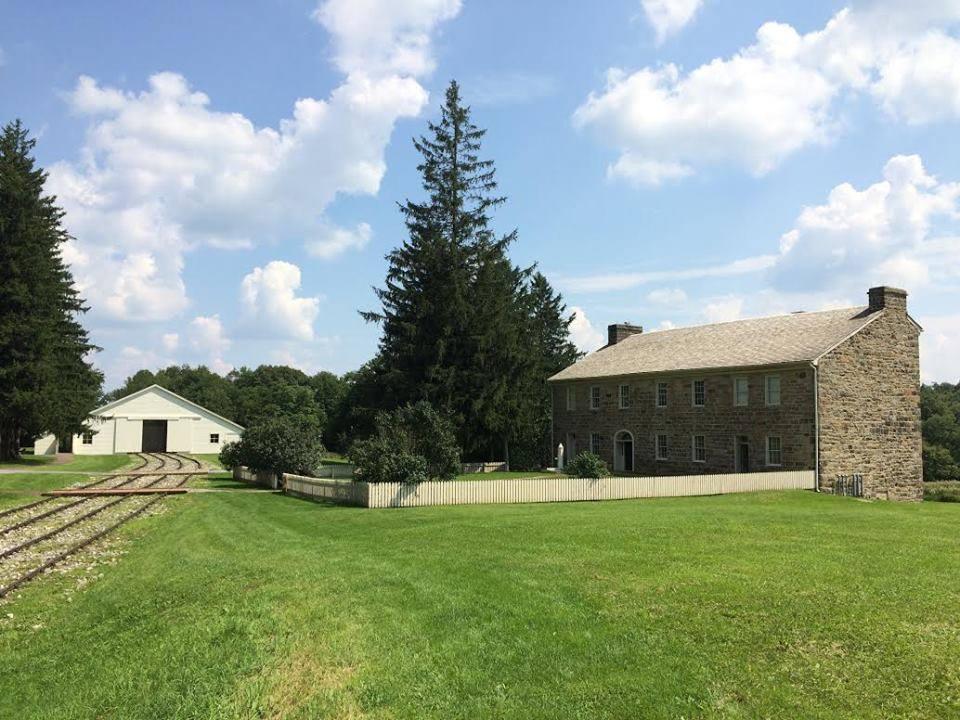
- Architecture and Building
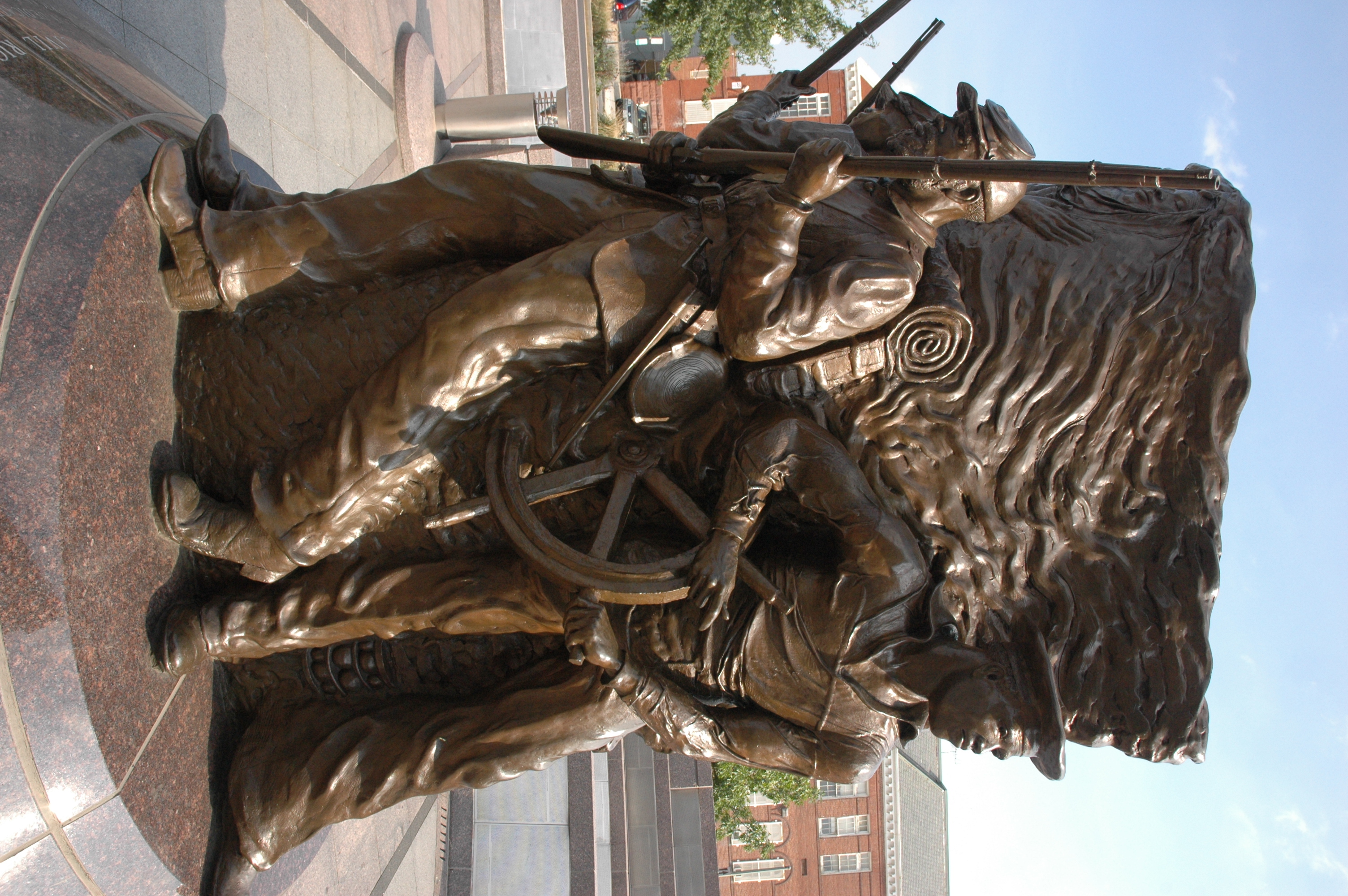
- African American Heritage
- Arts
- Photography
- Burial, Cemetery and Gravesite
- National Cemetery
- Enslavement
Getting There
Reaching Antietam National Battlefield is straightforward once you know the route. Ten miles south of I-70 on Maryland Route 65
By Car
Most visitors arrive by private vehicle or rental car. Road conditions vary with weather and construction, so check the park's alerts page the day before you travel. Pay attention to GPS directions in rural stretches—some apps route drivers onto unmaintained service roads rather than the signed park entrance.
Nearest Airports
Regional airports provide the most convenient access for long-distance travelers. For the most current airline service and driving distances, cross-reference flight options with the park's contact page. Budget extra drive time from any airport, especially if you arrive after dark or during winter weather.
Public Transit and Tours
Direct public transit is limited at most National Park Service sites, but guided day tours and shuttles sometimes operate from nearby cities during peak season. Rideshare options are often reliable in gateway towns but may drop off outside the park boundary rather than at specific trailheads or visitor centers.
For turn-by-turn directions and current road status, consult the park's official directions page: http://www.nps.gov/anti/planyourvisit/directions.htm.
Best Time to Visit
Weather shapes every visit. The weather is fairly mild. Summers can be very warm and humid and winters cold and snowy. We have four distinct seasons with the fall and spring being the best times to visit the battlefield.
Spring (March – May)
Spring brings leafing trees, wildflowers across the fields, and comfortable walking temperatures ideal for covering long stretches of battlefield terrain on foot.
Summer (June – August)
Summer can be hot and humid, especially on open fields with limited shade. Plan longer walking tours for early morning, and save indoor museum and visitor center time for the afternoon heat.
Fall (September – November)
Fall is arguably the best season—crisp mornings, clear light for photography, fewer crowds than summer, and foliage that frames the historic landscape beautifully.
Winter (December – February)
Winter brings stark quiet and unobstructed views of earthworks and terrain features that are hidden by foliage in summer. Dress warmly, and expect shorter visitor center hours.
Activities and Adventures
Activities at Antietam National Battlefield reflect the character of the site. The options below are drawn from the park's current published list—confirm availability and any required reservations before planning around a specific activity.
- Biking — confirm which roads and paths allow bikes and whether rentals are available in the gateway community.
- Road Biking — confirm which roads and paths allow bikes and whether rentals are available in the gateway community.
- Camping — check campground availability and reservation windows in advance, especially on weekends and holidays.
- Group Camping — check campground availability and reservation windows in advance, especially on weekends and holidays.
- Guided Tours — schedules rotate seasonally; check the visitor center board on arrival for the current lineup.
- Self-Guided Tours - Walking — schedules rotate seasonally; check the visitor center board on arrival for the current lineup.
- Self-Guided Tours - Auto — schedules rotate seasonally; check the visitor center board on arrival for the current lineup.
- Hiking — trails range from short interpretive loops to longer, more demanding routes; match your choice to conditions and fitness.
- Living History — ask at the visitor center for current conditions, reservations, and any required permits.
- Historic Weapons Demonstration — ask at the visitor center for current conditions, reservations, and any required permits.
- Junior Ranger Program — schedules rotate seasonally; check the visitor center board on arrival for the current lineup.
- Wildlife Watching — dawn and dusk are the most productive viewing windows; bring binoculars and maintain a respectful distance.
- Birdwatching — dawn and dusk are the most productive viewing windows; bring binoculars and maintain a respectful distance.
- Park Film — ask at the visitor center for current conditions, reservations, and any required permits.
- Museum Exhibits — the visitor center is the best first stop for context, maps, and current program information.
- Shopping — ask at the visitor center for current conditions, reservations, and any required permits.
- Bookstore and Park Store — ask at the visitor center for current conditions, reservations, and any required permits.
Ranger-led programs are often the highest-value activity for first-time visitors, combining interpretation with access you might miss on your own. Check program schedules at the visitor center on arrival.
History and What to See
Antietam National Battlefield is primarily a site of historical and cultural significance. Beyond the headline landmarks, the park preserves smaller details—inscriptions, outbuildings, period plantings, wayside exhibits—that repay an unhurried visit.
Featured interpretive themes include Architecture and Building, African American Heritage, Arts, Photography, Burial, Cemetery and Gravesite, National Cemetery.
Interpretation and Programs
Ranger talks, living-history demonstrations, and self-guided audio tours bring the story to life. If your schedule allows, time your visit to catch at least one ranger-led program; the added context transforms what you see on the grounds.
Preserved Structures and Landscape
The National Park Service preserves the physical setting as faithfully as possible. Walking the grounds gives you a sense of scale—distances, sightlines, elevation—that is hard to appreciate from photos alone.
Research and Archives
Many historic sites maintain libraries, archives, or partnered research centers. If you have a specific interest, contact the park in advance; staff can often point you toward documents, oral histories, or special collections.
Lodging and Camping
Lodging strategy depends on how long you plan to stay at Antietam National Battlefield and what you want to do when you are not at the park.
Camping
The park offers camping as a recognized activity. Reservation systems, site availability, and amenities vary by campground, so confirm current rules at the park's website before arrival. Popular sites often fill during weekends and holidays; weekday visits increase your chance of first-come, first-served spots.
Gateway Towns and Nearby Lodging
Communities close to the park offer a mix of chain hotels, independent inns, vacation rentals, and—depending on location—bed-and-breakfasts. Several Maryland towns serve as convenient bases, with restaurants, fuel, and grocery resupply. Book well ahead for summer weekends and major holidays.
Operating Hours and Seasons
Antietam National Battlefield Visitor Center: The visitor center is open every day except Thanksgiving, Christmas, and New Year's Day.
Essential Information
Fees and Passes
- Entrance - Private Vehicle — $20.00: Personal Vehicle/Family: $20.00 for three days
- Entrance - Per Person — $10.00: Individual: $10.00 for three days. This fee admits one individual in a vehicle and also includes hikers, bicyclists or pedestrians. Youth 15 and under are admitted free of charge.
- Entrance - Motorcycle — $15.00: Valid for 3 days. Admits up to 2 private, non-commercial motorcycles with up to 4 total passengers.
- Commercial Entrance - Motor Coach — $100.00: $100 Motor Coach/Commercial Tour Groups with 26 or more people
Passes
- Annual Entrance - Park — $35.00: If you or your family visit the battlefield more than once a year, this pass is for you. Valid for one year from month of purchase for Antietam National Battlefield only. Admits pass holder and passengers in a single pri…
Contact
- Phone: 3014325124
- Email: anti_info@nps.gov
- Official site: https://www.nps.gov/anti/index.htm
Safety
Carry water, sun protection, and layered clothing appropriate for the season. Cell coverage can be spotty in parts of the park—download offline maps before you leave your lodging. In an emergency, dial 911 or contact the nearest ranger station.
Services and Accessibility
Main visitor centers typically offer accessible restrooms, interpretive exhibits, bookstore sales, and ranger assistance. Accessibility varies by building and trail; contact the park ahead of time to discuss specific needs. Pets are often allowed on leash in designated areas only—check current rules before bringing animals.
Regulations to Know
Drones are prohibited in nearly all National Park Service units without a special permit. Metal detecting, collection of natural or cultural objects, and off-trail travel in sensitive areas are also commonly restricted. Read the signs at each trailhead and ask a ranger if you are unsure.
Plan Antietam National Battlefield around the ground. Markers, monuments, and ranger programs all point back to the same landscape, and that is the primary source.
Real satellite imagery on NASA elevation — orbit the peaks at true scale.
Explore in 3D →What the park will quietly do to you.
Heat & Sun
SummerSummer highs can hit 100°F+ in many western parks. Carry 2 L of water per person minimum and avoid strenuous activity 10am–4pm.
Wildlife
Year-roundKeep 100 yards from bears and wolves, 25 from everything else. Never feed wildlife — it changes their behavior and ends with the animal euthanized.
Weather windows
SummerHigh-country thunderstorms build fast in summer afternoons. Plan to be off exposed ridges by noon, especially July–September.
Permits & timed entry
Plan aheadSeveral parks require timed-entry reservations or wilderness permits. Reserve weeks ahead via recreation.gov — same-day windows are limited.
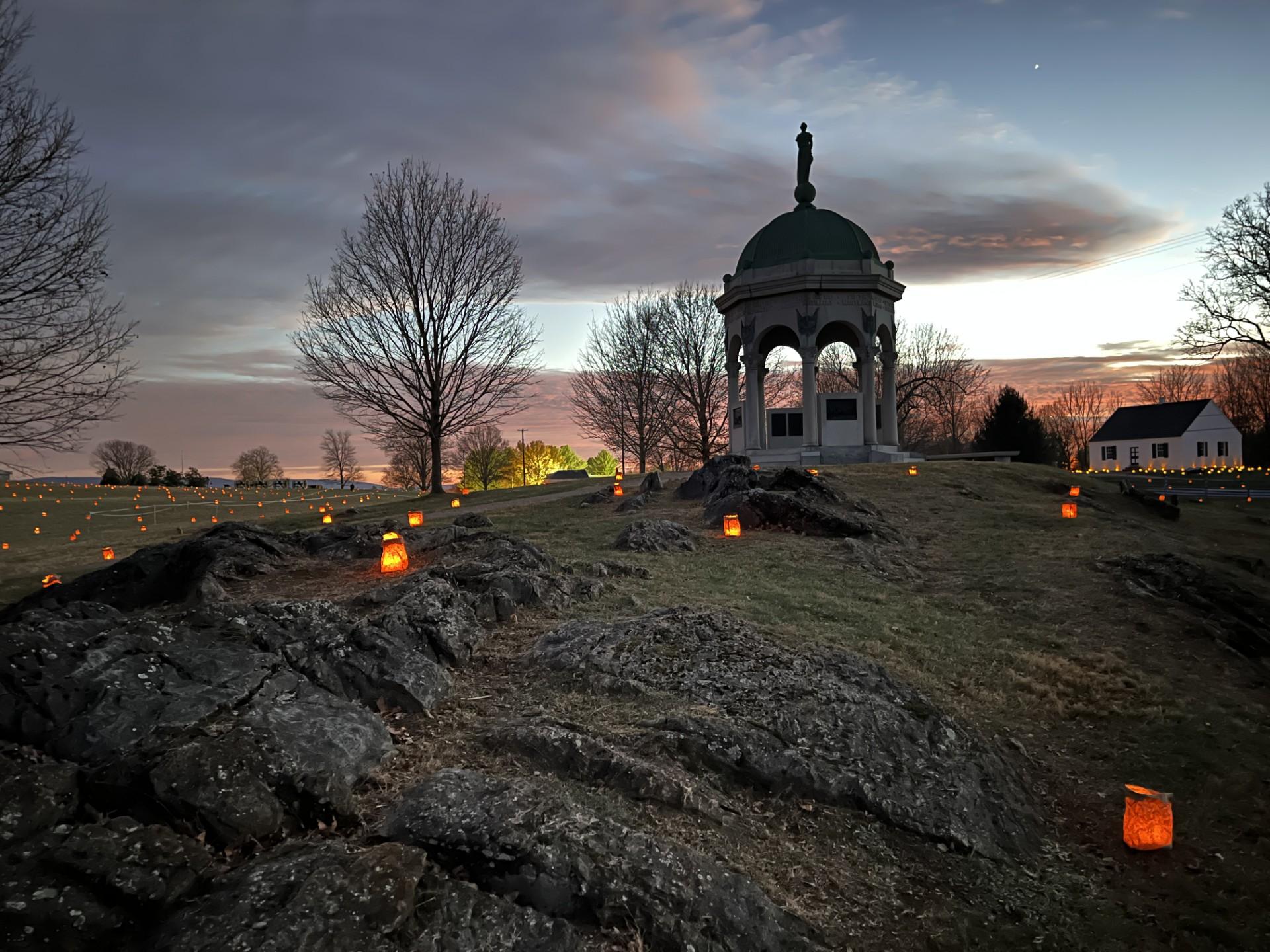
Hero photo: NPS Antietam/BBaracz