Badlands National Park
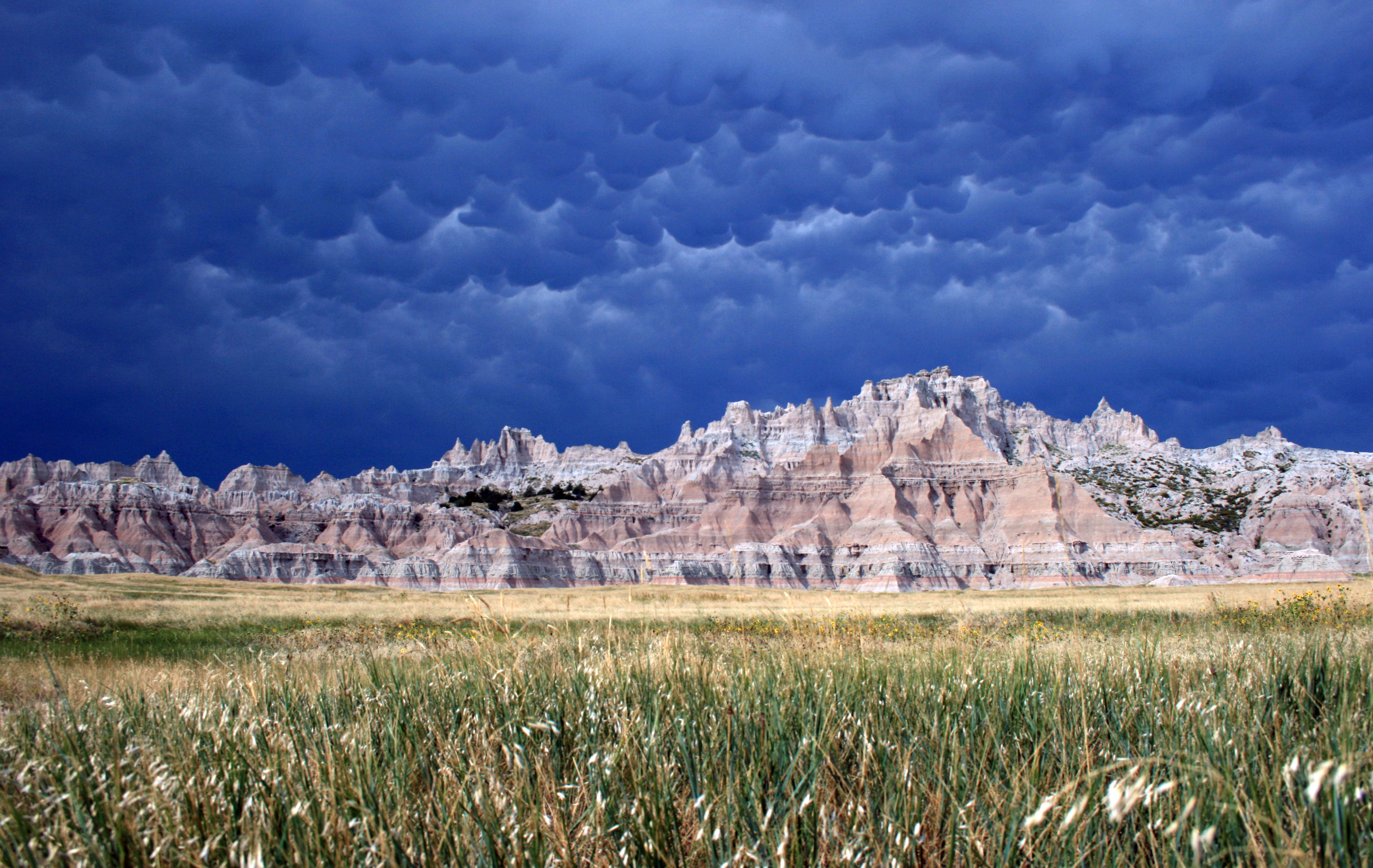
Badlands National Park in southwestern South Dakota encompasses 242,756 acres of sharply eroded buttes, pinnacles, and spires that rise from the largest undisturbed mixed-grass prairie ecosystem in the United States. Known as Mako Sica or "bad lands" to the Lakota people, and les mauvaises terres à traverser or "bad lands to travel across" by French fur trappers, this landscape of extremes features dramatic temperature swings, scarce water, and maze-like terrain that has challenged travelers for centuries. The park protects one of the world's richest fossil beds, containing 33-million-year-old specimens that provide an unparalleled window into ancient mammalian evolution during the Oligocene epoch.
The park consists of two distinct units with vastly different characters. The North Unit, bisected by the scenic Badlands Loop Road, offers accessible overlooks, established trails, and visitor facilities. In contrast, the South Unit (Stronghold District) lies entirely within the Pine Ridge Reservation and is co-managed with the Oglala Lakota Nation. This sacred landscape holds deep cultural significance, including the site of one of the last Ghost Dances in 1890, and contains unexploded ordnance from its use as a World War II bombing range. Together, these units preserve a complete story of geological time, human history spanning 11,000 years, and a thriving ecosystem where bison, bighorn sheep, and the endangered black-footed ferret roam free.
Key Highlights
- Badlands Loop Road: 39-mile scenic drive with 12 overlooks
- Fossil Preparation Lab: Watch paleontologists at work
- Sage Creek Wilderness: 64,144 acres of roadless backcountry
- Roberts Prairie Dog Town: Large, active colony
- Stronghold Table: Sacred Ghost Dance site (South Unit)
- Night Sky Programs: Some of darkest skies in U.S.
- Wildlife: Bison, bighorn sheep, pronghorn, prairie dogs
- Open Hike Policy: Freedom to explore off-trail
Getting There
Badlands National Park's remote location requires planning, but its position near Interstate 90 makes it accessible from several directions.
From Rapid City (60 miles)
Via I-90 East
- Take Exit 131 (Interior/Badlands)
- Follow Highway 240 (Badlands Loop Road)
- 1 hour drive
- Most scenic approach
Via Highway 44
- Take Highway 44 East from Rapid City
- Enter through Interior Entrance
- 1.5 hours
- Less traveled route
From Sioux Falls (330 miles)
Via I-90 West
- Take Exit 131 at Cactus Flat
- Follow signs to park
- 4.5-hour drive
- Northeast entrance
Gateway Communities
Wall
- 7 miles from Pinnacles Entrance
- Famous Wall Drug Store
- Hotels, restaurants, gas
- Most services available
Interior
- 1 mile from park
- Limited services
- Cedar Pass area access
- Quieter option
South Unit Access
Via Pine Ridge Reservation
- BIA Highway 2 from Highway 44
- Unpaved roads when dry
- High-clearance vehicle recommended
- Respect tribal lands
Best Time to Visit
The park's semi-arid climate creates extreme conditions that vary dramatically by season.
Fall: September-October
Ideal Conditions
- Temperatures: 40-80°F
- Clear skies common
- Wildlife active
- Crowds diminish after Labor Day
- Best overall weather
Summer: June-August
Peak Season Challenges
- Temperatures exceed 100°F
- Can reach 114°F
- Violent thunderstorms
- Busiest season
- Night programs available
Spring: April-May
Variable Weather
- Temperatures: 35-70°F
- Wildflower displays
- Fewer visitors
- Heavy rains possible
- Roads may be muddy
Winter: November-March
Extreme Cold
- Temperatures: -40°F to 50°F
- Strong winds common
- Snow can close roads
- Stark beauty
- Near solitude
Weather Warnings
Year-Round Concerns
- Temperature swings of 50°F daily
- Lightning strikes common
- Flash floods in canyons
- No shade available
- Dehydration risk high
Activities and Adventures
The park offers experiences from scenic drives to backcountry exploration, with freedom to roam off-trail.
Scenic Drives
Badlands Loop Road (Highway 240)
- 39 miles total
- 1 hour without stops
- Allow 3-4 hours with overlooks
- 12 designated viewpoints
- Wheelchair accessible boardwalks
Key Overlooks East to West
- Big Badlands Overlook (sunrise spot)
- Panorama Point
- Yellow Mounds Overlook
- Pinnacles Overlook (sunset location)
- Ancient Hunters Overlook
Sage Creek Rim Road
- Unpaved gravel road
- 30 miles round trip
- Best wildlife viewing
- Bison herds common
- Access to wilderness area
Hiking Trails (North Unit)
Easy Trails
- Door Trail: 0.75 miles, boardwalk through badlands
- Window Trail: 0.25 miles, natural window view
- Fossil Exhibit Trail: 0.25 miles, accessible boardwalk
- Cliff Shelf: 0.5 miles, loop through juniper forest
Moderate Trails
- Castle Trail: 10 miles, longest maintained trail
- Medicine Root Trail: 4 miles, loop option
- Saddle Pass: 0.25 miles, steep climb
Strenuous Trails
- Notch Trail: 1.5 miles, ladder climb to dramatic view
- Open hiking allowed throughout park
Wildlife Viewing
Best Locations
- Sage Creek Rim Road: Bison herds
- Roberts Prairie Dog Town: Active colony
- Pinnacles Overlook: Bighorn sheep
- Burns Basin: Prairie dogs
- Cedar Pass: Bighorn sheep
Key Species
- American bison (600-1,200)
- Bighorn sheep (250+)
- Pronghorn antelope
- Black-footed ferret (reintroduced)
- Prairie dogs (thousands)
- 206 bird species
Night Sky Experiences
Astronomy Programs
- Memorial Day through Labor Day
- Cedar Pass Amphitheater
- Ranger-led telescope viewing
- Milky Way visible
- 7,500 stars on clear nights
Annual Astronomy Festival
- Three-day event
- Guest speakers
- Solar viewing
- Family activities
Cultural Significance
The Badlands hold profound importance for Native American peoples and preserve a complex human history.
Lakota Heritage
Sacred Landscape
- Known as Mako Sica
- Spiritual ceremonies continue
- Vision quest sites
- Part of ancestral territory
- Co-management with tribe
Historical Trauma
- 1868 Fort Laramie Treaty broken
- Land confiscated in 1889
- Ghost Dance movement 1890
- Wounded Knee Massacre nearby
- Ongoing sovereignty issues
South Unit (Stronghold District)
Access Requirements
- Co-managed with Oglala Lakota
- Respect sacred sites
- No developed facilities
- Unpaved roads only
- Permission needed for some areas
Safety Warnings
- Unexploded ordnance from WWII
- Never touch metallic objects
- Report suspicious items
- Stay on established routes
- Carry emergency supplies
Fossil Heritage
Badlands contains one of the world's richest Oligocene fossil beds, preserving 33-million-year-old specimens.
Paleontology Program
Fossil Preparation Lab
- Ben Reifel Visitor Center
- Watch scientists work
- Daily demonstrations
- Recent discoveries displayed
- Questions encouraged
Major Fossil Finds
- Oreodonts (sheep-like mammals)
- Brontotheres (rhino relatives)
- Nimravids (false saber-tooth cats)
- Three-toed horses
- Ancient camels and pigs
Fossil Collecting
- Prohibited in park
- Report any finds
- GPS location helpful
- Erosion exposes new fossils annually
Lodging and Camping
Limited in-park accommodations make advance planning essential, especially in summer.
In-Park Lodging
Cedar Pass Lodge
- Only lodging in park
- 26 cabins
- Open April-October
- A/C, heat, mini-fridge
- Restaurant on-site
- Book well in advance
Campgrounds
Cedar Pass Campground
- 96 sites (some electric)
- Flush toilets, showers
- Reservations required
- Open seasonally
- Near visitor center
Sage Creek Campground
- Primitive camping
- 22 sites
- Free, first-come
- Pit toilets only
- No water
- Bison often present
Backcountry Camping
- Allowed throughout park
- No permit required
- Register at visitor center
- 0.5 miles from roads
- Leave no trace
Gateway Lodging
Wall (7 miles)
- Multiple hotels/motels
- Full services
- Wall Drug attraction
- Restaurants
- Gas stations
Interior (2 miles)
- Limited options
- Quieter location
- Basic services
- Closer to park
Essential Information
Park Fees
- Vehicle Pass: $30 (7 days)
- Motorcycle: $25
- Individual: $15
- Annual Pass: $55
- Cashless facility (credit cards only)
Visitor Centers
Ben Reifel Visitor Center
- Open year-round
- Fossil lab
- Exhibits and film
- Bookstore
- Ranger information
White River Visitor Center
- South Unit
- Open seasonally (May-October)
- Lakota heritage focus
- Limited services
Critical Safety Warnings
Weather Hazards
- Carry 1 gallon water per person/day
- No shade available
- Sunscreen essential
- Lightning danger high
- Hypothermia risk in storms
Wildlife Safety
- 100-foot minimum distance
- Bison unpredictable
- Never approach or feed
- Prairie rattlesnakes common
- Watch for burrow holes
Terrain Hazards
- Soft, crumbly rock
- Unstable after rain
- Twisted ankles common
- Cell service limited
- GPS recommended
What to Bring
Essential Gear
- Extra water
- Sun protection
- Sturdy boots
- First aid kit
- Map and compass
- Emergency shelter
Seasonal Items
- Summer: Cooling towels, electrolytes
- Winter: Extreme cold gear
- Spring/Fall: Layers, rain gear
- All seasons: Extra food
Special Regulations
Pet Restrictions
- Allowed only in developed areas
- 6-foot leash required
- Prohibited on all trails
- Not allowed in backcountry
Drone Policy
- Prohibited throughout park
- Disturbs wildlife
- Impacts visitor experience
Badlands National Park offers a journey through deep time and sacred space, where ancient fossils emerge from eroding rock and bison roam beneath infinite skies. This "bad land" challenges visitors with its extremes while rewarding them with solitude, dark night skies, and the freedom to explore one of America's last great grasslands. Come prepared for harsh conditions, respect the cultural significance of this landscape to the Lakota people, and discover why this seemingly desolate terrain holds such enduring power over all who venture into its maze of stone and prairie.
Real satellite imagery on NASA elevation — orbit the peaks at true scale.
Explore in 3D →What the park will quietly do to you.
Heat & Sun
SummerSummer highs can hit 100°F+ in many western parks. Carry 2 L of water per person minimum and avoid strenuous activity 10am–4pm.
Wildlife
Year-roundKeep 100 yards from bears and wolves, 25 from everything else. Never feed wildlife — it changes their behavior and ends with the animal euthanized.
Weather windows
SummerHigh-country thunderstorms build fast in summer afternoons. Plan to be off exposed ridges by noon, especially July–September.
Permits & timed entry
Plan aheadSeveral parks require timed-entry reservations or wilderness permits. Reserve weeks ahead via recreation.gov — same-day windows are limited.
Hero photo: NPS Photo