Denali National Park & Preserve
Fast Facts
Park Overview
Denali National Park & Preserve encompasses six million acres of Alaska's interior wilderness, crowned by North America's tallest peak at 20,310 feet. This vast landscape represents one of the world's last great frontiers, where nature operates on its own terms and human presence remains intentionally minimal.
The park protects complete subarctic ecosystems, from lowland taiga forests to high alpine tundra, supporting iconic wildlife including grizzly bears, wolves, caribou, moose, and Dall sheep. Unlike many national parks, Denali embraces a philosophy of wilderness preservation over visitor convenience, creating an authentic experience where solitude and self-reliance define the journey.
Essential Alerts
Pretty Rocks Landslide Road Closure
CRITICAL: The Denali Park Road is closed at Mile 43 due to an active landslide. This closure will remain in effect until at least 2026. As a result:
- Eielson Visitor Center (Mile 66) is inaccessible
- Wonder Lake (Mile 85) cannot be reached by road
- All bus tours now terminate at East Fork River (Mile 43)
- Polychrome Pass and other western destinations are closed
Current Conditions
- Road Access: Private vehicles allowed only to Mile 15 (Savage River)
- Bus Reservations: Book 30+ days in advance for peak season
- Weather: Expect snow possible any month; dress in layers
- Wildlife: Active throughout park - maintain safe distances
When to Visit
Summer (June-August)
- Pros: All facilities open, longest daylight hours, warmest weather
- Cons: Peak crowds, bus reservations essential, mosquitoes abundant
- Weather: 33-75°F, highly variable daily
Shoulder Seasons (May & September)
- Pros: Northern lights visible, fewer crowds, fall colors (September)
- Cons: Limited services, unpredictable weather, some facilities closed
- Weather: 20-60°F, snow common
Winter (October-April)
- Pros: Aurora viewing, dog sledding, extreme solitude
- Cons: Most roads closed, extreme cold, limited daylight
- Weather: -40 to 30°F, heavy snow
Getting There
By Air
- Anchorage Airport: 240 miles south (4.5 hours drive)
- Fairbanks Airport: 120 miles north (2.5 hours drive)
By Ground
- From Anchorage: Parks Highway (AK-3) north
- From Fairbanks: Parks Highway (AK-3) south
- Alaska Railroad: Seasonal service from both cities
- Bus Tours: Multiple companies offer transport from Anchorage/Fairbanks
Gateway Communities
- Healy: 11 miles north, basic services
- Cantwell: 28 miles south, limited facilities
- Talkeetna: 150 miles south, full tourist services
- "Glitter Gulch": Commercial area at park entrance
The Denali Bus Experience
Understanding the System
The park's bus system is the only way to access the interior beyond Mile 15. This deliberate limitation protects wildlife and preserves the wilderness experience.
Bus Options:
- Transit Bus: $33.50, hop-on/hop-off flexibility
- Tour Bus: $144.50, includes narration and park entry
- Camper Bus: For accessing campgrounds with gear
Current Routes (all buses turn around at Mile 43):
- Toklat River: Historical wildlife viewing area
- East Fork River: Current terminus with mountain views
- Polychrome Pass: Currently inaccessible
Booking Strategy
- Reserve 30+ days in advance for summer visits
- Morning departures offer best wildlife viewing
- Bring food and water - no services along road
- Dress in layers for changing conditions
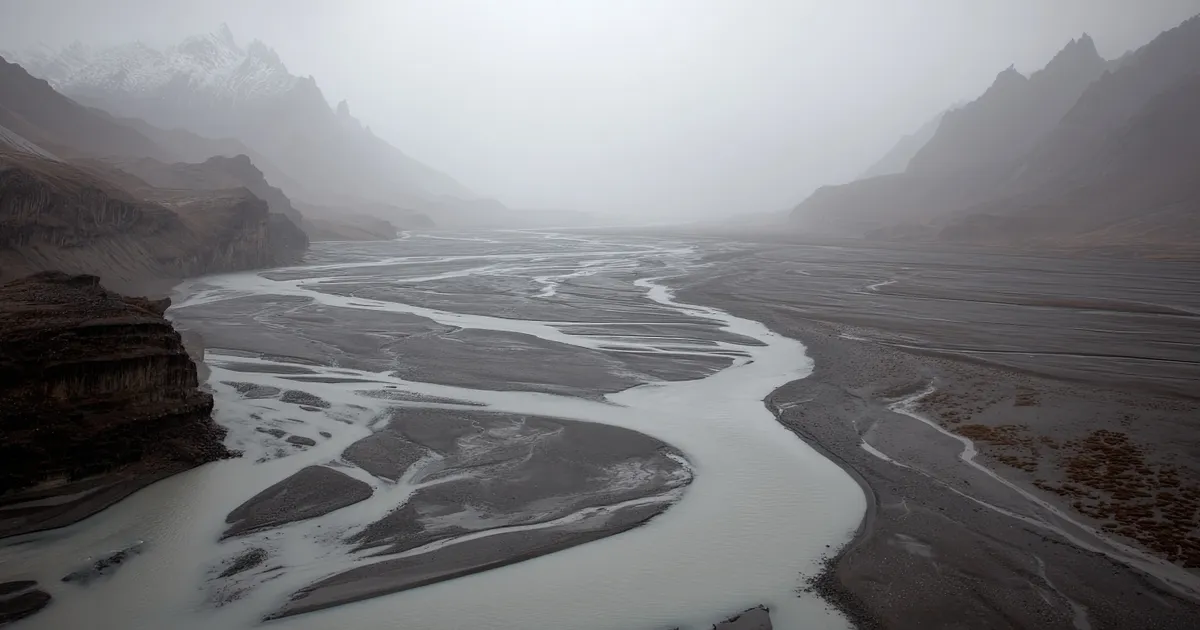
Hiking in a Trailless Wilderness
Off-Trail Hiking
Denali's philosophy embraces trail-free exploration. Beyond the entrance area, hikers create their own routes through the wilderness.
Navigation Essentials:
- Topographic map and compass required
- GPS as backup only
- Inform rangers of plans
- Travel in groups when possible
Terrain Types:
- Ridgelines: Easiest travel, good visibility
- River Bars: Flat but requires multiple crossings
- Tundra: Beautiful but slow going
- Alder Thickets: Avoid when possible
Wildlife Viewing
The "Big Five"
- Grizzly Bears: Most active early morning and evening
- Wolves: Rare sightings, most common in Toklat area
- Caribou: Migrate through park seasonally
- Moose: Common in willow thickets
- Dall Sheep: Look on steep mountain slopes
Viewing Ethics
- Maintain 300 yards from bears and wolves
- 25 yards from other wildlife
- Use binoculars or telephoto lenses
- Never approach or feed any animal
Essential Gear for Denali
Clothing System
Base Layer: Merino wool or synthetic, never cotton Mid-Layer: Fleece or insulated jacket Outer Layer: Waterproof/breathable shell Accessories: Warm hat, gloves, buff
Footwear
- Sturdy hiking boots (waterproof essential)
- Camp shoes for river crossings
- Gaiters for brush and water
Specialized Equipment
- Bear Spray: Strongly recommended
- Bear Canisters: Mandatory for backcountry
- Head Net: Critical for mosquito season
- Trekking Poles: Help with river crossings
Where to Stay
Inside the Park
Backcountry Camping
- Permits required (obtained at Backcountry Information Center)
- No designated sites - camp anywhere following regulations
- Bear-proof food containers mandatory
- Plan for weather delays
Nearby Lodging
- Denali Princess Lodge: Mile 238.5 Parks Highway
- Grande Denali Lodge: Overlooking the canyon
- Healy Hotels: Budget options 11 miles north
- Denali Cabins: Various options near entrance
Mountain Visibility
The 30% Reality
Denali generates its own weather system, remaining hidden by clouds approximately 70% of summer days. Managing expectations is crucial:
Best Viewing Times:
- Early morning before clouds build
- After storm systems pass through
- Clear winter days (though brutally cold)
Viewing Locations:
- Mile 9 (Mountain Vista)
- Eielson Visitor Center (when accessible)
- Wonder Lake (when accessible)
- Reflection Pond (entrance area)
Seasonal Activities
Summer
- Bus tours into the park
- Ranger programs and sled dog demonstrations
- Backcountry hiking and camping
- Wildlife photography
- Flightseeing tours
Winter
- Aurora viewing
- Dog sledding
- Cross-country skiing
- Winter camping (extreme conditions)
- Solitude and photography
Communications & Emergency Preparedness
Limited Connectivity
- No cell service beyond entrance area
- Satellite devices recommended for backcountry
- Emergency phones at ranger stations only
Weather Hazards
- Hypothermia risk even in summer
- River crossings can be dangerous
- Afternoon thunderstorms common
- Whiteout conditions possible any time
Wildlife Encounters
- Make noise while hiking
- Travel in groups when possible
- Know bear safety protocols
- Store all food properly
The Denali Experience
Mental Preparation
Denali challenges visitors to embrace uncertainty and discomfort. Success means:
- Accepting you may not see the mountain
- Finding joy in small discoveries
- Respecting the wilderness on its terms
- Being self-sufficient and prepared
Photography Tips
- Bring telephoto lens (minimum 300mm)
- Protect gear from dust and rain
- Extra batteries (cold drains power)
- Early morning provides best light
Family Considerations
- Junior Ranger program at visitor center
- Shorter bus tours available
- Easy trails near entrance
- Sled dog demonstrations popular with kids
Final Preparations
Two Weeks Before
- Finalize bus reservations
- Check gear and clothing
- Download offline maps
- Review weather forecast
Upon Arrival
- Stop at Visitor Center first
- Attend ranger orientation
- Confirm road conditions
- Get backcountry permits if needed
Remember
- This is wilderness, not a zoo
- Weather changes everything
- Flexibility enhances enjoyment
- The journey itself is the destination
Denali offers an increasingly rare opportunity to experience true wilderness. Those who arrive prepared, both physically and mentally, will find rewards that extend far beyond any single view or wildlife sighting. The park's vastness and wildness provide a profound reminder of nature's enduring power and our small place within it.
Park Overview
Detailed overview of the park's history, geography, and main attractions will go here. This section provides essential background information for visitors.
Top Hikes
- Iconic Summit TrailDifficulty: Strenuous • Distance: 8 miles round trip
Loading reviews…
- Waterfall LoopDifficulty: Moderate • Distance: 3 miles loop
Loading reviews…
- Lakeside WalkDifficulty: Easy • Distance: 1.5 miles out & back
Loading reviews…
Recommended Hiking Gear
Gear up for your adventure with our trusted partners. These items help support the site at no extra cost to you!

Places to Stay
- Historic Park LodgeBook early!Type: Lodge
Loading reviews…
- Riverside CampgroundReservations required.Type: Campground
Loading reviews…
- Gateway Town Hotel15 miles from entrance.Type: Nearby Hotel
Loading reviews…