Dry Tortugas National Park
Fast Facts
Dry Tortugas National Park
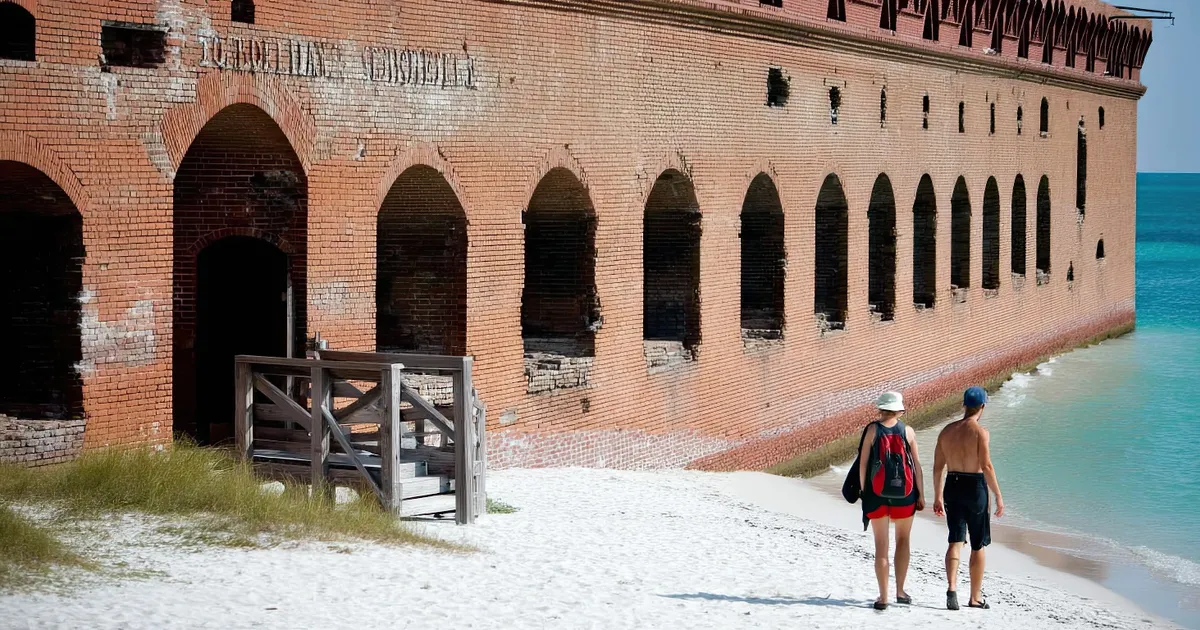
Dry Tortugas National Park stands as one of America's most remote and extraordinary national parks, located nearly 70 miles west of Key West in the crystal-clear waters of the Gulf of Mexico. This maritime wilderness encompasses seven small islands where more than 99% of the park consists of turquoise waters protecting vibrant coral reefs, historic shipwrecks, and the massive ruins of Fort Jefferson—the largest all-masonry fortification in the Western Hemisphere. Built from 16 million bricks during the mid-1800s, this hexagonal fortress rises dramatically from the sea, creating one of the most visually striking juxtapositions of human engineering and natural beauty in the National Park System.
The park's profound isolation is both its greatest challenge and its most defining characteristic. There are no bridges, no hotels, no restaurants, and no stores—visitors must arrive entirely self-sufficient by boat or seaplane, carrying everything needed for their stay. This remoteness has preserved pristine marine ecosystems where sea turtles nest on empty beaches, magnificent frigatebirds soar overhead with seven-foot wingspans, and coral reefs teem with tropical fish in gin-clear waters. The "Dry" in the park's name reflects the complete absence of fresh water on these coral and sand islands, a reminder that survival here depends entirely on careful preparation and respect for one of the most logistically challenging parks to visit in the United States.
Key Highlights
- Fort Jefferson: Largest all-masonry fortress in Western Hemisphere
- Pristine Coral Reefs: 950+ fish species and 250+ coral species
- Sea Turtle Nesting: Most active site in Florida Keys
- Sooty Tern Colony: 80,000 birds nest on Bush Key seasonally
- Historic Shipwrecks: Multiple sites for diving and snorkeling
- Loggerhead Key: Lighthouse and pristine beaches accessible by kayak
- World-Class Snorkeling: Directly accessible from Garden Key beaches
- Complete Isolation: No cell service, stores, or services of any kind
Getting There
Reaching Dry Tortugas requires choosing between two dramatically different transportation options, each offering distinct advantages and challenges.
Yankee Freedom Ferry
The Most Affordable Option
- Departs from Historic Seaport (100 Grinnell Street), Key West
- Round-trip cost: ~$235 (includes park entrance fee)
- Travel time: 2.5 hours each way
- Time on island: ~4.5 hours
- Capacity: Up to 175 passengers
What's Included
- Continental breakfast (bagel and cream cheese)
- Box lunch for all passengers
- Complimentary snorkel gear
- Freshwater rinse and restrooms on board
- National Park Service narration
Departure Schedule
- Daily departures year-round (weather permitting)
- Depart Key West: ~8:00 AM
- Return to Key West: ~5:30 PM
- Check-in required 30 minutes before departure
Key West Seaplane Adventures
The Premium Experience
- Departs from Key West International Airport
- Half-day trip: ~$509 (includes park fee, ~2.5 hours on island)
- Full-day trip: ~$883 (includes park fee, ~6.5 hours on island)
- Travel time: 40 minutes each way
- Capacity: ~10 passengers maximum
Advantages
- Aerial views of Fort Jefferson and surrounding waters
- Quieter island experience with fewer people
- More flexible timing options
- Spectacular takeoff and landing on water
Limitations
- No camping gear or large equipment transport
- Weight restrictions on luggage
- Weather cancellations more frequent
- Limited to day trips only
Private Boat Access
For the Self-Sufficient
- GPS coordinates: Garden Key 24°37.40'N, 82°52.27'W
- 70 nautical miles from Key West
- Deep water anchorage available
- Must pay $15 park entrance fee per person at self-service station
- Permits required for overnight anchoring
Essential Requirements
- Experienced offshore navigation skills
- Reliable boat with safety equipment
- GPS and marine radio mandatory
- Weather monitoring capabilities
- Fuel for 140+ mile round trip
Parking in Key West
Ferry Parking
- Old Town Parking Garage (301 Grinnell Street): $40-48/day
- Shaded, secure, multi-story facility
- Walking distance to ferry terminal
- Advance reservations recommended
Seaplane Parking
- Key West International Airport short-term parking
- Standard airport parking rates apply
- Shuttle service to seaplane terminal
Best Time to Visit
The subtropical climate creates distinct seasons that dramatically affect visitor experience, sea conditions, and wildlife activity.
Winter: December-February
Excellent Conditions
- Air temperatures: 66-76°F
- Clearer skies and lower humidity
- Hurricane season concluded
- Bush Key accessible to visitors (December-January)
Challenges
- Windier conditions create rougher ferry crossings
- Coolest water temperatures for swimming
- Higher accommodation costs in Key West
- Greater chance of trip cancellations due to weather
Spring: March-May
Peak Season
- Air temperatures: 70-84°F
- Best overall weather for all activities
- Spectacular bird migration (200+ species)
- Sooty Tern nesting season begins (March)
Considerations
- Busiest visitor season
- Ferry reservations essential
- Bush Key closes for bird nesting
- Premium pricing for accommodations
Summer: June-August
Hot and Humid
- Air temperatures: 80-89°F
- Calmest sea conditions for snorkeling
- Atlantic Hurricane Season begins
- Peak sea turtle nesting activity
Advantages
- Fewer crowds than spring
- Best underwater visibility
- Longest daylight hours
- Lower Key West accommodation rates
Fall: September-November
Hurricane Season Peak
- Still hot and humid early fall
- Peak hurricane risk (September-October)
- Fall bird migration activity
- Bush Key typically reopens in October/November
Weather Warnings
- Highest cancellation risk due to tropical storms
- Rough seas possible
- Monitor weather forecasts closely
- Travel insurance recommended
Activities and Adventures
Despite its remote location, Dry Tortugas offers diverse recreational opportunities centered on its historic fort and pristine marine environment.
Fort Jefferson Exploration
Self-Guided Tours
- Free exploration of the massive fortress
- Three levels with different perspectives
- Uneven brick surfaces require sturdy footwear
- No guardrails on upper levels—exercise extreme caution
Ranger-Led Programs
- 45-minute guided tours (when available)
- Historical context and architectural details
- Civil War prison history including Lincoln assassination conspirators
- Construction challenges and abandonment story
Key Features to Explore
- Massive gun emplacements and cannon displays
- Original prisoner cells and quarters
- Spiral staircases to upper ramparts
- Spectacular harbor views from all levels
- Original construction techniques visible throughout
Snorkeling and Swimming
Moat Wall Snorkeling
- Directly accessible from Garden Key beach
- Shallow, protected waters ideal for beginners
- Colorful fish and coral formations
- Historic coaling dock ruins create artificial reef
- No strong currents in designated areas
South Swim Beach
- Calm, shallow waters perfect for families
- Crystal-clear visibility typically 60+ feet
- Soft sand bottom with scattered coral heads
- Protected from prevailing winds
- Easy entry and exit points
Marine Life Encounters
- Parrotfish, angelfish, and tropical wrasses
- Sea turtles frequently spotted
- Nurse sharks (docile bottom-dwellers)
- Tarpon and barracuda in deeper waters
- Spectacular coral formations and sponges
Birdwatching
Bush Key Sooty Tern Colony
- 80,000+ birds during nesting season (February-September)
- Island closed to foot traffic during nesting
- Spectacular views from Garden Key
- Binoculars essential for detailed observation
- Dawn and dusk most active periods
Magnificent Frigatebirds
- Seven-foot wingspan seabirds
- Often seen soaring around fort
- Piracy behavior (stealing food from other birds)
- Excellent aerial acrobats
- Best photography from fort ramparts
Spring Migration Spectacle
- 200+ species recorded in park
- March-May peak migration period
- Warblers, thrushes, and raptors
- Weather fronts concentrate birds on islands
- Serious birders consider this world-class
Kayaking Adventures
Equipment Transport
- Ferry allows 3 kayaks maximum per trip ($20 transport fee)
- Must be reserved by phone well in advance
- Seaplanes cannot transport kayaks
- Private boats can bring unlimited kayaks
Loggerhead Key Expedition
- 3-mile paddle to park's largest island
- Historic lighthouse and pristine beaches
- No facilities—complete self-sufficiency required
- Experienced paddlers only due to open water crossing
- GPS navigation essential
Coastal Exploration
- Circumnavigation of Garden Key
- Exploration of shallow lagoons and channels
- Wildlife observation from water level
- Photography opportunities from unique angles
- Stay clear of ferry channels and restricted areas
Lodging and Camping
Accommodation options present a fundamental choice between primitive camping within the park or using Key West as a base for day trips.
Garden Key Primitive Camping
The Ultimate Experience
- 8 individual sites (6 people, 3 tents maximum each)
- 1 group site (10-20 people, advance reservation required)
- Cost: $15/night individual, $30/night group
- First-come, first-served for individual sites
- Cash or check payment only—no credit cards
Facilities and Limitations
- Picnic tables and charcoal grills at each site
- Composting toilets (closed 10 AM-3 PM when ferry docked)
- No running water (except ferry freshwater rinse)
- No electricity or cell service
- No food, water, or supplies available for purchase
Camping Requirements
- Must arrive via ferry (seaplanes don't transport camping gear)
- Complete self-sufficiency mandatory
- Bring minimum 2 gallons water per person per day
- Pack all food for entire stay plus emergency day
- Weather delays can extend stays unexpectedly
Transportation Logistics
- Ferry accommodates only 10 campers per day
- Reservations sell out 9-12 months in advance
- Check-in required by 6:00-6:30 AM departure day
- Return ferry arrangements must be confirmed
- Buffer days essential for weather delays
Key West Base Camp
Accommodation Range
- Budget hostels and motels: $105-180/night
- Mid-range hotels: $180-300/night
- Luxury resorts: $300-750+/night
- Vacation rentals for groups available
Strategic Advantages
- Full services and amenities
- Restaurant and nightlife options
- Multiple transportation departure points
- Weather backup plans available
- Medical facilities accessible
Gateway Necessities
- All commercial trips originate from Key West
- Accommodation essential for ferry departures
- Grocery shopping for day-trip provisions
- Parking arrangements at departure points
Essential Preparation
Success at Dry Tortugas depends entirely on meticulous preparation and understanding the complete absence of services within the park.
Critical Packing List
Sun Protection (Mandatory)
- High-SPF reef-safe sunscreen
- Wide-brimmed hat and polarized sunglasses
- Long-sleeved UV protection shirt
- Lightweight pants for fort exploration
- Cooling towels for heat relief
Water and Hydration
- Minimum 1 gallon per person per day
- Refillable water bottles (ferry has refill station)
- Electrolyte replacement supplements
- Insulated containers for hot weather
- Extra water for emergencies
Footwear Requirements
- Sturdy walking shoes for fort exploration
- Water shoes for beach and reef protection
- Flip-flops or sandals for convenience
- Extra socks in case feet get wet
Weather Protection
- Lightweight rain jacket or windbreaker
- Quick-dry clothing materials
- Dry change of clothes for ferry return
- Waterproof bags for electronics
- Emergency shelter for campers
Specialized Equipment
Snorkeling Gear
- Ferry provides basic equipment free
- Personal gear offers better fit and hygiene
- Underwater camera or waterproof housing
- Snorkel vest for safety and comfort
- Fins sized for your feet
Navigation and Safety
- Marine chart for boat arrivals
- GPS device with backup batteries
- Emergency whistle and signaling mirror
- First aid kit with seasickness medication
- VHF marine radio for boat operators
Camping Additions
- Tent rated for high winds and rain
- Sleeping bag appropriate for temperature
- Camp stove and fuel (propane prohibited on ferry)
- Charcoal briquettes for provided grills
- Lantern and extra batteries
Food and Provisioning
Day Trip Provisions
- Ferry includes breakfast snack and box lunch
- Supplement with favorite snacks and drinks
- No food available for purchase in park
- Pack extras in case of weather delays
Camping Self-Sufficiency
- All meals for entire stay plus emergency day
- Non-perishable foods in waterproof containers
- Cooking equipment and utensils
- Trash bags (pack out all waste)
- Bear-proof storage not required but secure from wind
Safety and Hazards
Dry Tortugas' remoteness amplifies every safety consideration, making prevention and preparation absolutely critical.
Marine Hazards
Sea Conditions
- 70-mile open ocean crossing can be extremely rough
- Take seasickness medication 1 hour before departure
- Ferry crossings occasionally canceled for safety
- Strong currents around tidal channels (ava)
- No lifeguards—all water activities at own risk
Marine Life Safety
- All wildlife protected—observe from distance
- Nurse sharks generally docile but don't approach
- Jellyfish and Portuguese Man O' War present seasonally
- Fire coral causes painful stings on contact
- Sea turtles must not be disturbed or approached
Weather Dangers
Tropical Storm Season
- June 1 - November 30 Atlantic Hurricane Season
- September statistically most active month
- Trip cancellations possible with little notice
- Lightning strikes frequent during storms
- Flash evacuation procedures for campers
Sun and Heat Exposure
- Subtropical sun extremely intense
- Natural shade virtually nonexistent
- Heat exhaustion and dehydration major risks
- Sunburn can occur within 15 minutes
- Cooling opportunities limited to water immersion
Historical Structure Hazards
Fort Jefferson Safety
- Uneven 150-year-old brick walkways
- Steep staircases with minimal handrails
- No guardrails on upper ramparts
- Moat wall currently closed for repairs (reopening 2026)
- Sharp edges on deteriorating masonry
Submerged Hazards
- Rusty iron pilings from historic coaling docks
- Sharp coral formations throughout reef areas
- Strong currents around fort foundations
- Underwater debris from historical operations
Emergency Considerations
Medical Emergencies
- No medical facilities or personnel in park
- Nearest hospital 70 miles away in Key West
- Coast Guard rescue coordination required
- Satellite communication devices recommended
- Travel insurance strongly advised
Communication Blackout
- No cell phone service throughout park
- No internet or WiFi available
- Emergency communication via marine radio only
- Inform contacts of communication gaps
- Establish check-in schedules for longer stays
Rules and Regulations
Protecting this fragile marine ecosystem requires strict adherence to park regulations and Leave No Trace principles.
Prohibited Activities
Resource Protection
- No collecting of shells, coral, sand, or any natural materials
- Spearfishing and lobstering strictly prohibited
- Drone operations banned throughout park
- Disturbing or harassing wildlife illegal
- Metal detecting and artifact collecting forbidden
Access Restrictions
- Bush Key closed during bird nesting season (February-September)
- Hospital and Long Keys closed year-round
- Moat wall swimming and snorkeling prohibited
- Private boats must anchor in designated areas only
Fishing Regulations
License Requirements
- Valid Florida saltwater fishing license required (16+)
- Available online or in Key West before departure
- Carry license and photo ID while fishing
Equipment and Methods
- Circle hooks mandatory—J-hooks prohibited
- Barbless hooks recommended for easy release
- Research Natural Area (RNA) off-limits to fishing
- Check park maps for specific closed zones
Camping Regulations
Site Management
- Hammocks prohibited—no attachment to vegetation
- Tents only on designated sites
- Quiet hours sunset to sunrise
- Generators and amplified music prohibited
- Campfires restricted to provided grills with charcoal only
Waste Management
- Pack out all trash—no disposal facilities
- Human waste in composting toilets only
- Gray water disposal in restrooms only
- Leave No Trace principles mandatory
Visitor Tips for Success
Booking Strategy
Ferry Reservations
- Book as far in advance as possible
- Consider shoulder seasons for availability
- Monitor cancellations for last-minute openings
- Camping spots require nearly year-ahead planning
Weather Monitoring
- Check marine weather forecasts before departure
- Understand cancellation policies
- Build flexibility into travel schedules
- Consider travel insurance for expensive trips
Photography Tips
Best Lighting
- Early morning and late afternoon for fort photography
- Underwater photography requires reef-safe equipment
- Aerial perspectives from ferry provide dramatic shots
- Sunset views from fort ramparts spectacular
Equipment Protection
- Waterproof camera housings essential
- Bring extra batteries and memory cards
- Protect equipment from salt spray and sand
- Clean all gear with fresh water after use
Cultural Appreciation
Historical Context
- Read about fort's construction and Civil War history
- Understand strategic military importance
- Appreciate massive engineering achievement
- Respect this National Historic Landmark
Natural Heritage
- Learn about coral reef ecology before visiting
- Understand sea turtle life cycles and nesting
- Appreciate bird migration patterns and timing
- Recognize this as a critical marine sanctuary
Dry Tortugas National Park offers one of the most extraordinary and challenging adventures in the National Park System. This is not a destination for casual visitors but rather a pilgrimage for those seeking authentic wilderness experience in one of America's most remote and pristine marine environments. Success requires extensive planning, complete self-sufficiency, and deep respect for both the fragile ecosystem and the remarkable history preserved in this isolated corner of the Gulf of Mexico. For those who make the journey properly prepared, Dry Tortugas delivers an unforgettable encounter with pristine coral reefs, fascinating history, and the profound beauty of one of the world's most remote and spectacular national parks.
Park Overview
Detailed overview of the park's history, geography, and main attractions will go here. This section provides essential background information for visitors.
Top Hikes
- Iconic Summit TrailDifficulty: Strenuous • Distance: 8 miles round trip
Loading reviews…
- Waterfall LoopDifficulty: Moderate • Distance: 3 miles loop
Loading reviews…
- Lakeside WalkDifficulty: Easy • Distance: 1.5 miles out & back
Loading reviews…
Recommended Hiking Gear
Gear up for your adventure with our trusted partners. These items help support the site at no extra cost to you!

Places to Stay
- Historic Park LodgeBook early!Type: Lodge
Loading reviews…
- Riverside CampgroundReservations required.Type: Campground
Loading reviews…
- Gateway Town Hotel15 miles from entrance.Type: Nearby Hotel
Loading reviews…