Grand Teton National Park: Where 13,000-Foot Peaks Kill Without Warning
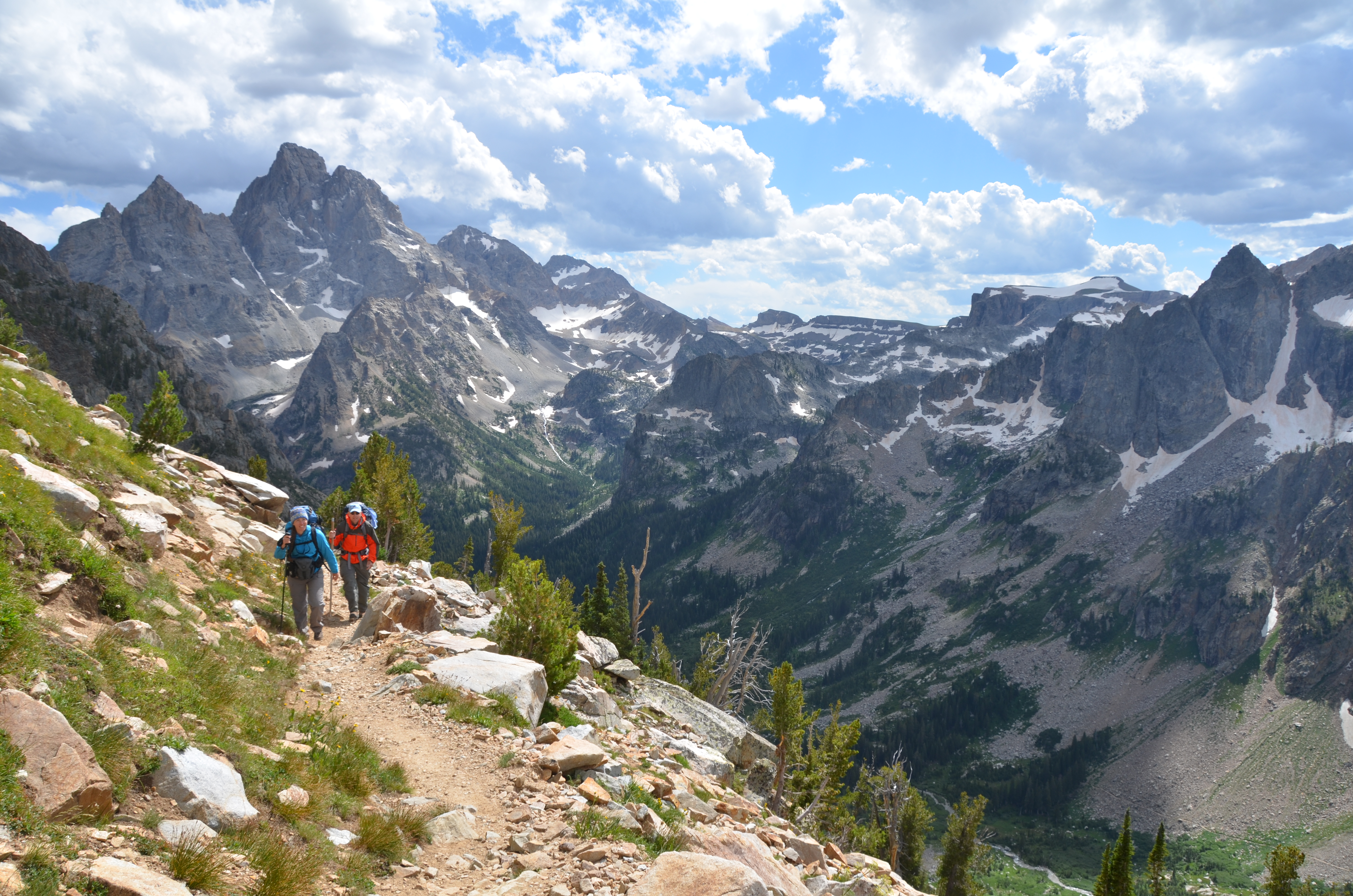
Rising 7,000 feet straight from the valley floor without foothills to break your fall, Grand Teton National Park creates America's most deceptive mountain death trap where 3.9 million annual visitors face grizzly attacks, alpine exposure, and 35°F glacier-fed lakes. This 310,000-acre vertical wilderness spans from sagebrush flats crawling with 800-pound grizzlies to technical climbing routes where freezing rain turns granite into ice at 13,770 feet. With afternoon lightning strikes killing climbers on exposed ridges, moose that charge faster than you can run, and hypothermic lakes that stop hearts in minutes, the Tetons claim lives through falls, maulings, and drowning while visitors chase Instagram shots of perfect mountain reflections.
Essential Information at a Glance
- Size: 310,044 acres in northwest Wyoming
- Established: February 26, 1929
- Annual Visitors: 3,885,230 (2023) - #6 most visited national park
- Elevation Range: 6,320 feet (valley) to 13,775 feet (Grand Teton summit)
- Entry Fee: $35 per vehicle (7 days), covers Yellowstone too
- Key Dangers: Grizzly attacks, alpine exposure, hypothermic lakes, lightning strikes
Survival Essentials: Vertical Wilderness Preparedness
The Altitude + Exposure Equation: Rapid Ascent = Rapid Death
The Tetons rise so abruptly that hikers gain 4,000+ feet in just miles, triggering altitude sickness while simultaneously entering lightning strike zones. No foothills means no weather buffer—storms hit peaks in minutes.
Recommended gear: grizzly defense gear
- Hiking Backpacksvia REI
- Trail Shoesvia Merrell
- Book Lodgingvia Booking.com
- Car Rentalsvia Rentalcars.com
We may earn a commission from purchases made through links on this page. See our disclosure.
Grand Teton Survival Arsenal
Grizzly Country Defense
- Bear spray (2 cans minimum per group)
- Bear-proof food canisters (mandatory backcountry)
- Noise makers for blind corners
- Scent-proof bags for all toiletries
- Emergency air horn (last resort)
Alpine Exposure Protection
- Lightning position ground pad
- Emergency bivy sack (storms trap climbers)
- Helmet for rockfall zones
- Ice axe (snow persists into August)
- GPS with downloadable topo maps
Hypothermia Prevention
- Dry suit for any water activities
- 4-season sleeping system
- Emergency heat packs
- Waterproof everything (storms arrive fast)
- Insulating layers for 50°F swings
Medical & Communication
- Altitude sickness medication
- Satellite communicator (no cell coverage)
- Comprehensive first aid with SAM splints
- Emergency whistle (sound carries in canyons)
- Signaling mirror for helicopter rescue
Death Zones: Teton Geography of Disaster
Cascade Canyon: Grizzly Gauntlet
Most popular trail funnels hikers through prime grizzly habitat. Bears feed on huckleberries along trail. Narrow canyon offers no escape routes. Multiple maulings recorded. Moose also claim this territory.
Death Canyon: Living Up to Its Name
Named after 1899 surveyor's death. Steep granite walls create rockfall zones. Flash floods from mountain storms. Grizzly superhighway between territories. Ice persists on trail into July.
Grand Teton Summit: Technical Death Route
- Elevation: 13,775 feet (second highest in Wyoming)
- Fatalities: 23+ deaths since records began
- Hazards: Lightning strikes, rockfall, exposure
- Reality: "Easy" route still requires technical climbing
- Weather: Can drop 60°F in one hour
Jenny Lake: Hypothermic Beauty
- Water Temperature: 35-50°F year-round
- Survival Time: 10-20 minutes
- Depth: 423 feet (no thermal layers)
- Wind: Creates 3-foot waves
- Deception: Clear water looks inviting
Avalanche Canyon: Winter Persistence
Snow avalanches into July. Steep approach causes cardiac events. Stream crossings become torrents. Bears concentrate here in berry season. No cell service for emergencies.
Wildlife: Living Among Apex Predators
Grizzly Bears: 600 Pounds of Death
Population: 60+ and growing in park Territory: Entire park is grizzly habitat Hot Zones: Cascade Canyon, Death Canyon, Berry Creek Activity: Dawn/dusk but active all day during hyperphagia Speed: 35 mph uphill (faster than you downhill)
Survival Protocol:
- Make noise constantly in forest/meadows
- Travel in groups of 4+ when possible
- If encounter: DON'T RUN EVER
- Deploy spray at 30 feet
- If attacked: play dead (protect neck/vitals)
Black Bears: Smaller but Everywhere
Population: 100+ throughout park Behavior: More likely to break into cars Climbing: Can climb trees (unlike grizzlies) Defense: Fight back if attacked (don't play dead)
Moose: 1,200-Pound Battering Rams
Population: 100+ individuals Speed: 35 mph through deep snow Danger: More aggressive than bears Hot Zones: Willow Flats, Oxbow Bend, lake shores Warning Signs: Ears back, hair raised, licking lips
Survival Distance: 100+ feet minimum
Mountain Lions: Silent Stalkers
Population: 20-30 territorial adults Hunt Method: Ambush from above Active: Dawn/dusk but anytime Defense: Fight back aggressively, protect neck
Bison: Deceptively Deadly
Population: Small herd near Oxbow Bend Weight: 2,000 pounds Speed: 35 mph Temperament: Unpredictable, protective of calves
Seasonal Survival Challenges
Summer (June-August): Peak Death Season
Temperature: 35-85°F (50-degree daily swings) Hazards:
- Afternoon lightning on all peaks
- Maximum grizzly encounters
- Hypothermic lake drownings
- Altitude sickness epidemic
- Rockfall from freeze-thaw
Critical Rules:
- Summit attempts before 7 AM
- Off peaks by noon (lightning)
- Bear spray always accessible
- Never swim without wetsuit
- Hydrate constantly at altitude
Fall (September-October): Predator Aggression
Temperature: 20-65°F Hazards:
- Elk bugling (bulls extremely aggressive)
- Bears in hyperphagia (desperate feeding)
- Early snow creates avalanche risk
- Shorter days trap hikers
- Hunting season in adjacent forests
Winter (November-April): Avalanche Alley
Temperature: -20 to 35°F Access: Most roads closed Hazards:
- Avalanche danger extreme
- Backcountry skiing deaths annual
- Wildlife concentrated in valley
- Hypothermia in minutes
- Rescue nearly impossible
Spring (May-June): Deceptive Killer
Temperature: 20-70°F Hazards:
- High avalanche risk
- Swollen stream crossings
- Bears emerging hungry
- Trails snow-covered above 8,000 feet
- Mud season limits access
Technical Routes: Where Hikers Become Statistics
The Grand Teton
Owen-Spalding Route (easiest)
- Still rated 5.4 technical climbing
- 14 miles round trip
- 7,000 feet elevation gain
- Requires ropes, harness, climbing skills
- Guide services: $1,200-1,500 per person
Middle Teton
- Southwest Couloir: Class 4 scrambling
- Exposure: 2,000-foot drops
- Hazards: Loose rock, ice, lightning
- Reality: "Easier" doesn't mean safe
Cascade Canyon to Lake Solitude
- Distance: 14.4 miles round trip
- Elevation Gain: 2,300 feet
- Bear Encounters: Highest in park
- Stream Crossings: Can trap hikers
- Weather: Storms form over lake
Death Canyon to Static Peak Divide
- Distance: 16 miles round trip
- Elevation: Reaches 11,000 feet
- Exposure: No shelter from storms
- Wildlife: Grizzly highway
- Snow: Persists into August
Lake & Water Hazards
Hypothermia Zones
Jenny Lake: 35-50°F, 423 feet deep Jackson Lake: 35-55°F, 438 feet deep String Lake: Warmest at 60°F (shallow) Leigh Lake: 35-45°F, glacier-fed Bradley Lake: 40-50°F, sudden dropoffs
Water Death Statistics
- Drownings occur annually
- Cold shock response in 1-3 minutes
- Cardiac arrest from temperature
- Wind creates dangerous waves
- No lifeguards anywhere
Safe Water Activities
- Wetsuit/drysuit required
- Life jacket mandatory
- Never swim alone
- Stay near shore
- Exit immediately if shivering
Navigation & Emergency Reality
Communication Dead Zones
- No Service: 90% of backcountry
- Sporadic: Valley floor, some peaks
- Reliable: Jackson Lake Lodge area only
- Satellite: Essential for backcountry
Rescue Response Times
- Valley Floor: 30 minutes - 2 hours
- Popular Trails: 2-6 hours
- Technical Terrain: 6-24 hours
- Winter: Days or impossible
- Helicopter: $30,000+ typical cost
Emergency Resources
- Park Dispatch: 911 or (307) 739-3301
- Jenny Lake Rangers: Climbing specialists
- St. John's Hospital: Jackson (30+ minutes)
Cost Reality Check
Entrance & Permits
- 7-Day Vehicle: $35 (includes Yellowstone)
- Annual Pass: $70 (both parks)
- Backcountry Permit: $45 advance, $15 walk-up
- Boat Permit: $40 motorized, $20 non-motorized
Camping
- Jenny Lake: $36/night (tent only, 49 sites)
- Signal Mountain: $38/night (86 sites)
- Colter Bay: $37/night (350 sites)
- Gros Ventre: $35/night (300 sites)
- Backcountry: Permit required
Lodging Reality
- Jackson Lake Lodge: $400-800/night
- Jenny Lake Lodge: $800-1,200/night
- Signal Mountain Lodge: $250-450/night
- Colter Bay Cabins: $150-300/night
- Jackson Hotels: $200-1,000/night
Activity Costs
- Guided Climbing: $800-1,500/person
- Snake River Float: $80-120/person
- Whitewater Rafting: $100-150/person
- Horseback Riding: $75-150/2 hours
- Bear Spray: $45-50 purchase, $10/day rental
Climbing & Technical Terrain
Guide Services (Your Life Insurance)
- Exum Mountain Guides: Most experienced
- Jackson Hole Mountain Guides: Excellent reputation
- Cost: $200-1,500 depending on objective
- Requirements: Fitness test often required
- Reality: Even guided climbs see accidents
Solo Climbing Requirements
- Registration: Required for overnight
- Experience: Don't learn here
- Gear: Full rack, ropes, helmets
- Weather Window: 4-6 hours maximum
- Rescue: You pay if needed
10 Commandments of Teton Survival
- Grizzlies Own This Park - Bear spray accessible ALWAYS
- Afternoon = Lightning - Off peaks by noon or die
- Lakes Kill Through Cold - No swimming without protection
- Moose More Dangerous Than Bears - 100 feet minimum
- Weather Changes in Minutes - Always carry storm gear
- Altitude Affects Everyone - Ascend slowly, hydrate constantly
- Technical Terrain Everywhere - Know your limits
- Cell Phones Don't Work - Satellite device or accept risk
- Rescue Costs YOUR Money - $30,000+ for helicopter
- The Mountains Don't Care - About your schedule or ego
Final Warning
The Tetons' postcard beauty conceals one of America's most unforgiving mountain environments. These peaks shoot straight up from the valley floor with no mercy, no gradual approach, and no room for error. Every summer, overconfident hikers become hypothermic in "warm" weather, experienced climbers die from afternoon lightning, and tourists discover that moose and grizzlies view humans as threats or prey. The lakes that perfectly reflect these peaks will stop your heart with cold before you can swim to shore. The "easy" climbing routes still require ropes and kill people annually. Come prepared with proper gear, deep humility, and the wisdom to turn back when afternoon clouds build over granite spires. In the Tetons, the margin between a successful summit photo and a body recovery operation is often just one bad decision, one afternoon storm, or one surprised grizzly bear away.
Real satellite imagery on NASA elevation — orbit the peaks at true scale.
Explore in 3D →What the park will quietly do to you.
Heat & Sun
SummerSummer highs can hit 100°F+ in many western parks. Carry 2 L of water per person minimum and avoid strenuous activity 10am–4pm.
Wildlife
Year-roundKeep 100 yards from bears and wolves, 25 from everything else. Never feed wildlife — it changes their behavior and ends with the animal euthanized.
Weather windows
SummerHigh-country thunderstorms build fast in summer afternoons. Plan to be off exposed ridges by noon, especially July–September.
Permits & timed entry
Plan aheadSeveral parks require timed-entry reservations or wilderness permits. Reserve weeks ahead via recreation.gov — same-day windows are limited.
Hero photo: NPS Photo / D. Lehle