Isle Royale National Park
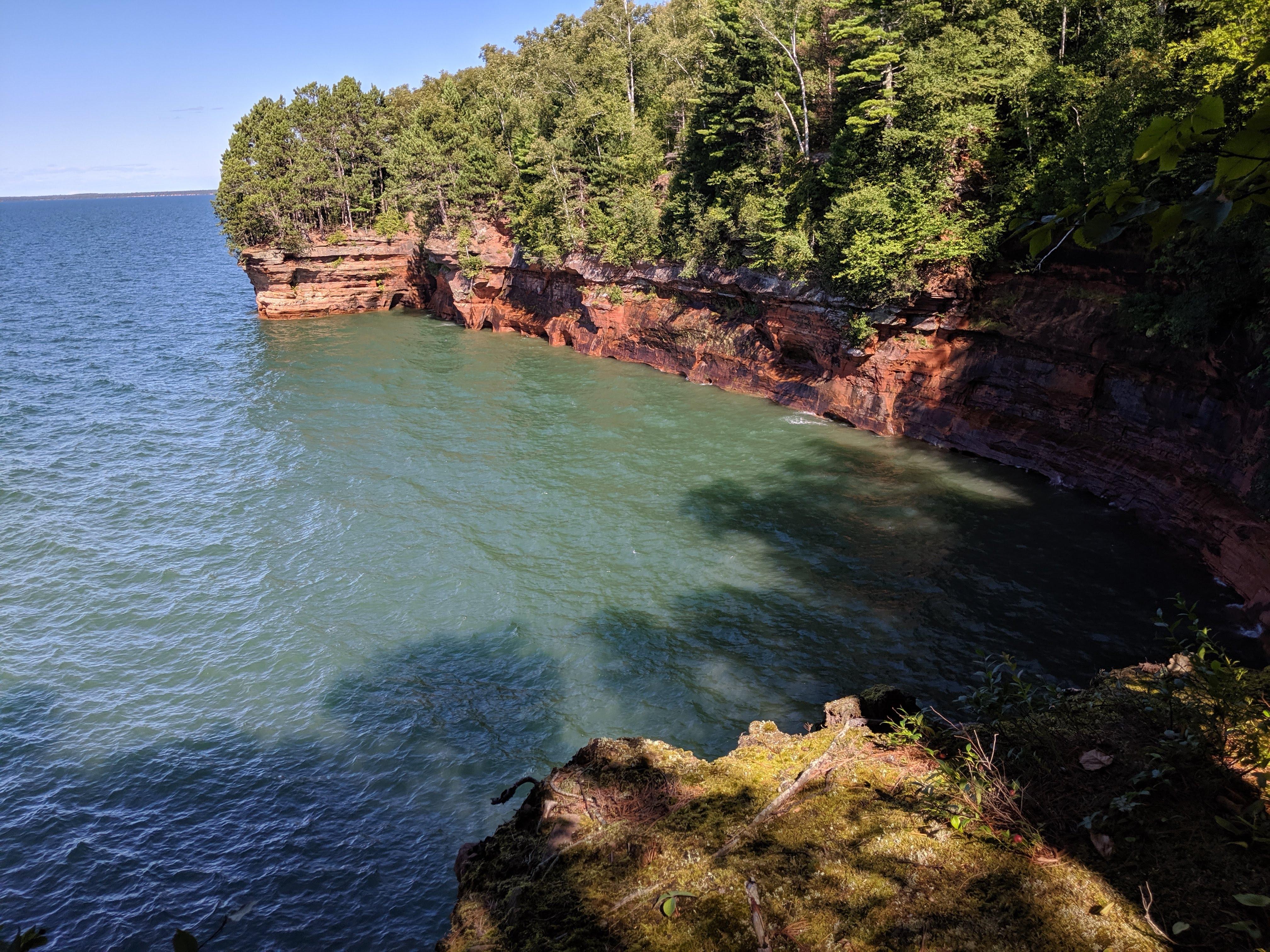
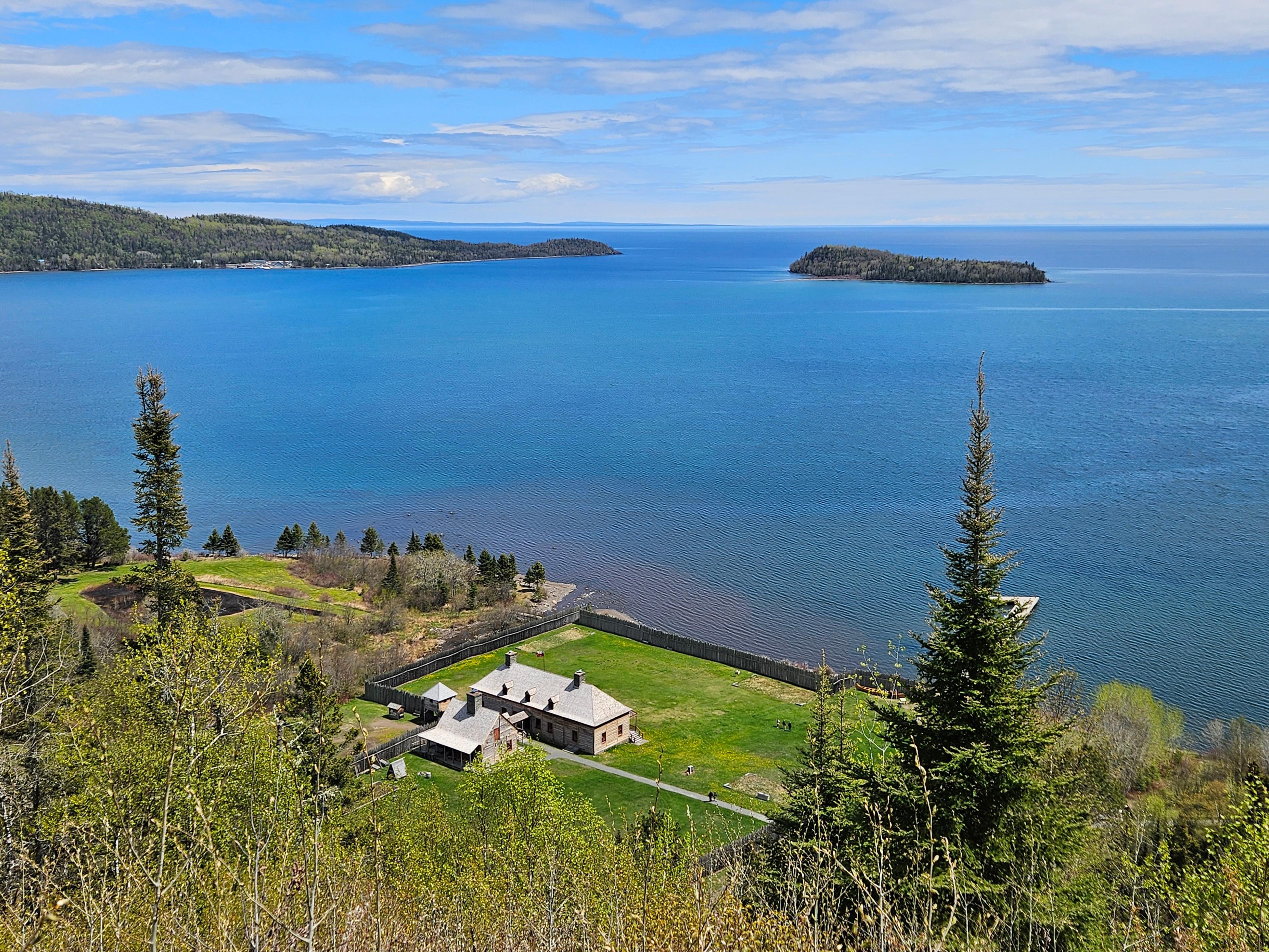
Isle Royale National Park stands as one of America's most pristine and challenging wilderness destinations, an isolated archipelago in the vast, cold waters of Lake Superior that offers an experience fundamentally different from any other national park. This roadless sanctuary, located 50 miles from the nearest mainland shore, encompasses 850 square miles of rugged islands, crystal-clear inland lakes, and dense boreal forests that have remained largely untouched by modern development. The park's profound isolation has created both its greatest treasure and its most significant challenge: a simplified ecosystem where wolves and moose exist in one of the world's most studied predator-prey relationships, while demanding that visitors possess the self-reliance and wilderness skills necessary to thrive in true backcountry conditions.
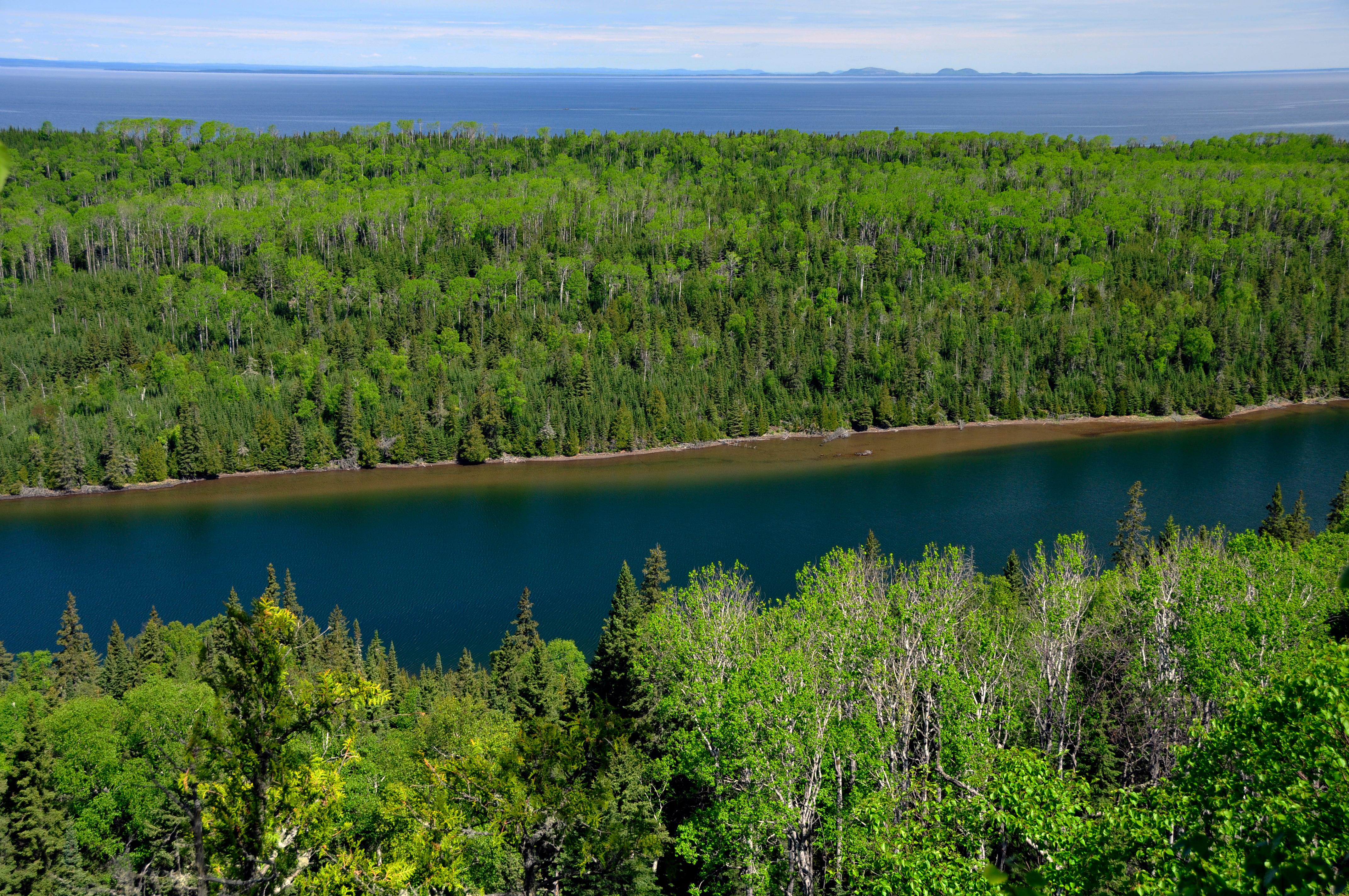
The park's landscape bears the dramatic signature of its geological past, shaped by ancient lava flows and carved by massive glaciers into a distinctive pattern of parallel ridges and valleys that run southwest to northeast across the main island. This striated topography creates long, narrow lakes nestled between high ridges, protected coves along Lake Superior's shoreline, and the 40-mile Greenstone Ridge that forms the island's backbone. More than 99% of the park is designated wilderness, making it one of the most complete wilderness experiences in the National Park System. Here, visitors must adapt to the rhythms of ferry schedules, prepare for sudden weather changes, and embrace the reality that once committed to the journey, there are no roads to escape—only trails that demand preparation, patience, and respect for one of North America's last true wildernesses.
Key Highlights
- World's Longest Predator-Prey Study: 65+ year wolf-moose research project
- Greenstone Ridge Trail: 40-mile wilderness traverse from Rock Harbor to Windigo
- 450 Smaller Islands: Pristine archipelago perfect for sea kayaking
- 10 Historic Shipwrecks: Exceptionally preserved vessels in Lake Superior's cold waters
- 165 Miles of Trails: Completely roadless wilderness hiking experience
- 99% Wilderness Designation: One of America's most pristine ecosystems
- 19 Mammal Species: Simplified ecosystem due to natural isolation
- Less Than 25,000 Annual Visitors: Among America's least-visited national parks
- Boreal Forest Ecosystem: Old-growth forests of spruce, fir, and northern hardwoods
Getting There
Reaching Isle Royale requires careful planning as it's accessible only by boat or seaplane, with transportation operated by authorized concessionaires rather than the National Park Service.
From Michigan Departure Points
Ranger III (NPS Vessel)
- Route: Houghton, Michigan to Rock Harbor
- Distance: 73 miles across Lake Superior
- Travel time: 6 hours each way
- Schedule: Typically Tuesdays/Fridays from Houghton, Wednesdays/Saturdays return
- Season: Late May to mid-September
- Capacity: Largest vessel serving the park
- Cost: $80 one-way for adults, $40 for children (1-15)
- Parking: Free at NPS dock in Houghton
Isle Royale Queen IV
- Route: Copper Harbor, Michigan to Rock Harbor
- Travel time: 3 hours 45 minutes each way
- Schedule: Daily departures (season varies)
- Same-day round trips possible
- Depart Copper Harbor: 8:00 AM EDT
- Depart Rock Harbor: 2:45 PM EDT
- Cost: ~$80 one-way
- Parking: Fee required in Copper Harbor (~$20/night)
Isle Royale Seaplanes
- Departure: Hubbell, Michigan (near Hancock)
- Destinations: Rock Harbor or Windigo
- Travel time: ~45 minutes
- Season: Mid-May to mid-September
- Cost: ~$275 one-way
- Advantages: Fastest option, aerial views, intra-island flights available
- Limitations: Weather dependent, weight restrictions, higher cost
From Minnesota Departure Points
Voyageur II
- Route: Grand Portage, Minnesota via circumnavigation
- Travel time: 7.5 hours to Rock Harbor (with stops)
- Stops: Windigo, McCargoe Cove, Belle Isle, various drop-off points
- Ideal for: Point-to-point backpacking trips
- Cost: ~$100.50 to Rock Harbor
- Schedule: Early May to late September
Sea Hunter III
- Route: Grand Portage, Minnesota to Windigo
- Travel time: ~1.5 hours each way
- Primary service: Day trips and western access
- Season: Mid-June through August
- Cost: ~$100.50 one-way
Isle Royale Seaplanes
- Departure: Grand Marais, Minnesota
- Travel time: 25-45 minutes
- Destinations: Rock Harbor or Windigo
- Daily flights during season
Transportation Strategy
Multi-Day Visitors
- Ranger III: Best for extended stays (4-5 nights minimum)
- Provides most gear transport capacity
- Most economical for long visits
Day Visitors
- Isle Royale Queen IV: Only same-day round trip option from Michigan
- Sea Hunter III: Day trips to Windigo area
- Seaplanes: Premium day trip experience
Backpackers
- Voyageur II: Ideal for one-way traverses with multiple drop-off options
- Consider intra-island seaplane for completing traverses
Best Time to Visit
Isle Royale's subarctic climate and short operating season create distinct periods with dramatically different experiences.
Operating Season: April 16 - October 31
Note: Park is officially open, but transportation and services operate much shorter seasons.
Early Season: May-June
Weather Conditions
- Cool temperatures: 40-65°F
- Frequent rain and possible snow
- Ice may linger on inland lakes
- Unpredictable conditions
Advantages
- Fewer visitors
- Wildflowers in late May/June
- Migrating birds
- No biting insects yet
Challenges
- Limited transportation schedules
- Cold water temperatures
- Weather delays common
- Some services not yet operational
Peak Season: July-August
Weather Conditions
- Warmest temperatures: 55-75°F
- Lake Superior water still cold (50-55°F)
- Potential for sudden storms
- Most stable conditions
Peak Season Benefits
- All transportation options operating
- Warmest water for paddling
- Full services at lodges and stores
- Best weather for camping
Peak Season Challenges
- Highest visitation
- Biting insects at their worst (late June-July)
- Premium pricing
- Advanced reservations essential
Late Season: September-October
Weather Conditions
- Cooling temperatures: 35-60°F
- Beautiful fall colors
- More variable weather
- Early season storms possible
Late Season Advantages
- Spectacular autumn foliage
- Fewer biting insects
- Excellent wildlife viewing
- Dramatic photography conditions
Late Season Limitations
- Services begin shutting down mid-September
- Transportation schedules reduced
- Weather becomes less predictable
- Shorter daylight hours
Seasonal Insect Considerations
Biting Insect Season: Late May-August
- Mosquitoes and black flies hatch late May/early June
- Peak populations: Late June through July
- Head nets considered essential equipment
- Populations decline significantly by late August
Activities and Adventures
Isle Royale offers wilderness experiences focused on hiking, paddling, and wildlife observation in one of America's most pristine ecosystems.
Hiking and Backpacking
Greenstone Ridge Trail
- Distance: 40 miles from Rock Harbor to Windigo
- Difficulty: Moderate to strenuous
- Duration: 3-8 days typical
- Elevation: Follows central spine of island
- Highlights: Mount Desor (highest point at 1,394 feet), fire towers, panoramic views
- Camping: Multiple designated campgrounds along route
Minong Ridge Trail
- Distance: 46 miles along northern shore
- Difficulty: More challenging than Greenstone Ridge
- Character: Less maintained, more solitude
- Terrain: Rugged, following ancient beach ridges
- For: Experienced backpackers seeking greater challenge
Popular Loop Hikes
- Feldtmann Ridge Loop: 28 miles on west end
- Various shorter loops from major campgrounds
- Day hikes from Rock Harbor and Windigo areas
Trail Characteristics
- 165 miles total trail system
- No roads—foot travel only
- Terrain ranges from easy lakeshore to challenging ridges
- Trails often muddy, especially after rain
- Root systems and rock can be challenging
Sea Kayaking and Canoeing
Premier Paddling Destinations
- Five Fingers: Series of long, narrow bays (northeast end)
- Rock Harbor: Protected waters, island hopping
- Tobin Harbor: Sheltered paddling near lodges
- Washington Harbor: Western end exploration
Paddling Conditions
- Lake Superior water temperature: 34-55°F year-round
- Sudden weather changes create dangerous conditions
- Fog common, especially summer mornings
- Strong winds can develop quickly
Equipment Requirements
- Sea kayaks minimum 15'8" for open water
- Canoes minimum 15' length
- Dry suits or wetsuits recommended
- Navigation equipment essential
- Experience with cold water conditions required
Safety Considerations
- Hypothermia major risk in cold water
- Weather can change rapidly
- Rescue difficult due to remoteness
- File detailed trip plans
Scuba Diving
Shipwreck Sites
- 10 major shipwrecks in remarkable preservation
- Cold water prevents decay and zebra mussel growth
- Vessels range from paddlewheel steamers to 500-foot freighters
- Sites include Chester A. Congdon and Emperor
Diving Conditions
- Water temperature: 34-37°F at depth
- Excellent visibility due to cold, clear water
- Depths vary from shallow to 150+ feet
- Technical diving skills often required
Requirements
- Dry suit mandatory
- Dive permit required from park
- Registration before first dive
- Removal of artifacts strictly prohibited
Access
- Most access via live-aboard dive charters from Minnesota
- Multi-day charters provide accommodations and air fills
- Shore diving possible from some locations
Wildlife Viewing
Wolf-Moose Study
- World's longest-running predator-prey research (since 1958)
- Current wolf population: Varies (recently supplemented 2018-2019)
- Moose population: 1,000-2,000 individuals
- Research continues to provide insights into ecosystem dynamics
Wildlife Observation Tips
- Moose most commonly seen near lakes and wetlands
- Early morning and evening best for wildlife activity
- Maintain safe distances from all wildlife
- Wolves rarely seen but sign may be observed
Bird Watching
- 200+ species recorded
- Spring and fall migrations excellent
- Raptors including bald eagles
- Loons common on inland lakes
- Variety of boreal forest species
Lodging and Camping
Accommodation options are extremely limited, requiring advance planning and flexibility with wilderness camping regulations.
Rock Harbor Lodge
Accommodations
- 60 lakeside lodge rooms with private bathrooms
- 20 Housekeeping Cottages with kitchenettes above Tobin Harbor
- Only full-service lodging in park
- Season: Late May to mid-September
Amenities
- Lighthouse Restaurant (breakfast and dinner)
- Greenstone Grill (casual dining, pizza, burgers)
- Dockside Store (groceries, camping supplies, fuel)
- Marina with boat rentals
- Shower and laundry facilities
Reservations
- Managed by park concessionaire
- Deposit required equal to first night's stay
- Book well in advance for peak season
- Rates seasonal (higher July-early September)
Windigo
Windigo Camper Cabins
- 2 rustic cabins available
- Accommodate up to 6 people each
- Furnished with bunk beds, futon, table
- Outdoor picnic table and propane grill
- No indoor plumbing (nearby facilities)
Windigo Store and Services
- Limited groceries and camping supplies
- Fuel for camp stoves
- Shower and laundry facilities (tokens required)
- Gasoline and diesel for boats
- Prices reflect remote location transport costs
Backcountry Camping
Campground Network
- 36 designated backcountry campgrounds
- Strategically spaced for hiking/paddling days
- Tent sites, water source (must treat), outhouses
- Many feature three-sided screened shelters
Permit System
- Free permits for parties of 1-6 people
- First-come, first-served campsite assignment
- Permits issued upon arrival (on boat or at visitor centers)
- Flexible itineraries allowed
- Groups 7+ require advance reservations ($25 fee)
Key Campgrounds
- Daisy Farm: Major trail junction, Voyageur II stop
- McCargoe Cove: North shore, accessible by trail/water
- Three Mile: Popular first/last night from Rock Harbor
- Lane Cove: Accessible by trail and water
- Moskey Basin: Popular Rock Harbor Trail campground
Cross-Country Camping
- Permit addendum required
- Must be 0.5 miles from developed areas
- 200 feet from water sources
- No campfires permitted
- For experienced wilderness travelers
Reservation Strategy
Lodge Reservations
- Book as early as possible (often year ahead for peak season)
- Consider shoulder season for better availability
- Monitor cancellations
Transportation Coordination
- Lodge stays must coordinate with transportation schedules
- Multi-day commitments due to ferry schedules
- Build buffer days for weather delays
Essential Information
Park Fees
- Entrance Fee: Free (no entrance fee charged)
- America the Beautiful passes accepted for concession discounts
- Transportation costs are the primary expense
Safety and Preparation
"Your Safety is Your Responsibility"
- Self-rescue is best rescue due to remoteness
- Professional emergency response may be hours/days away
- Comprehensive preparation essential
Critical Safety Considerations
- Hypothermia risk from cold water and sudden weather changes
- Moose encounters (maintain safe distances, especially cows with calves)
- Water purification mandatory (except at developed areas)
- Weather delays common—build buffer time
Essential Gear
- Layered clothing system (no cotton)
- Waterproof rain gear
- Sturdy, broken-in hiking boots
- Water filter/purification system
- First aid kit with blister care
- Map and compass
- Headlamp/flashlight
- Insect protection (head net essential peak season)
Park Regulations
Fishing
- Michigan license required for Lake Superior waters
- No license needed for inland lakes/streams
- Artificial lures and barbless hooks required on inland waters
- Catch-and-release for brook trout
Campfires
- Prohibited throughout most of park
- Allowed only in designated campgrounds with established rings
- Backpacking stoves primary cooking method
General Regulations
- Pets prohibited on all trails
- Stay 25 feet from moose, 6 feet from other wildlife
- Pack out all trash
- No collecting of natural or cultural artifacts
Communication and Technology
No Cell Service
- No cellular coverage throughout park
- Satellite communication devices recommended for emergencies
- VHF marine radios useful for boat travel
Navigation
- GPS useful but carry paper maps and compass
- Trails marked but can be challenging to follow
- Topographic maps essential for off-trail travel
What to Bring
Clothing
- Synthetic or wool layers (avoid cotton)
- Waterproof rain jacket and pants
- Warm hat and gloves
- Multiple pairs of wool/synthetic socks
- Sturdy hiking boots
Camping Gear
- Three-season sleeping bag (30°F rating recommended)
- Waterproof tent with strong stakes
- Insulated sleeping pad
- Backpacking stove and fuel
- Bear-resistant food storage (hard containers)
Safety Equipment
- Comprehensive first aid kit
- Water treatment system
- Emergency shelter/space blanket
- Whistle for emergencies
- Headlamp with extra batteries
Weather Preparedness
Temperature Ranges
- Summer: 40-75°F (with wide daily swings)
- Lake Superior: 45-55°F (swimmable for some)
- Sudden storms possible any time
- Hypothermia risk year-round
Weather Gear
- Full rain suit essential
- Insulating layers for temperature drops
- Sun protection (hat, sunglasses, sunscreen)
- Emergency shelter for weather delays
Junior Ranger Program
- Activity booklet available at visitor centers or online
- Covers park ecology, history, wilderness ethics
- Completion earns official Junior Ranger badge
- Excellent educational program for all ages
Isle Royale National Park offers an unparalleled wilderness experience for those prepared to embrace its challenges. This is not a park for casual visitors but rather a destination for serious outdoor enthusiasts who understand that the greatest rewards come to those willing to invest in proper preparation, physical fitness, and wilderness skills. The park's isolation, which makes it so logistically challenging, is precisely what has preserved its pristine character and created opportunities for authentic wilderness encounters found nowhere else in the National Park System. Success here is measured not in miles covered or sights seen, but in the depth of connection achieved with one of North America's last great wilderness archipelagos, where wolves howl across pristine lakes and visitors discover what it truly means to be alone with the wild.
Real satellite imagery on NASA elevation — orbit the peaks at true scale.
Explore in 3D →What the park will quietly do to you.
Heat & Sun
SummerSummer highs can hit 100°F+ in many western parks. Carry 2 L of water per person minimum and avoid strenuous activity 10am–4pm.
Wildlife
Year-roundKeep 100 yards from bears and wolves, 25 from everything else. Never feed wildlife — it changes their behavior and ends with the animal euthanized.
Weather windows
SummerHigh-country thunderstorms build fast in summer afternoons. Plan to be off exposed ridges by noon, especially July–September.
Permits & timed entry
Plan aheadSeveral parks require timed-entry reservations or wilderness permits. Reserve weeks ahead via recreation.gov — same-day windows are limited.
Hero photo: NPS / Paul Brown