Joshua Tree National Park: Desert Wilderness & Climbing Paradise
Straddling the boundary between two distinct desert ecosystems, Joshua Tree National Park captivates visitors with its otherworldly landscapes, legendary rock formations, and pristine dark skies. This comprehensive survival guide equips you with everything needed for a safe and memorable desert adventure.
Essential Information at a Glance
- Size: 790,636 acres across the Mojave and Colorado deserts
- Established: October 31, 1994 (National Monument since 1936)
- Annual Visitors: Over 3.2 million (2023)
- Best Time: October-May (mild weather); June-September (extreme heat)
- Entrance Fee: $30/vehicle (7 days), $55 annual park pass
- Critical Warning: NO water, gas, or food available inside the park
Survival Essentials: What to Pack
Water - Your Most Critical Supply
The desert demands respect. Pack at least 1 gallon per person per day, more for summer visits or strenuous activities. There are only five water sources in the entire park:
- Oasis Visitor Center (Twentynine Palms)
- Joshua Tree Visitor Center (town)
- Cottonwood Visitor Center
- Black Rock & Cottonwood Campgrounds
Recommended gear: hydration
- Hiking Backpacksvia REI
- Trail Shoesvia Merrell
- Book Lodgingvia Booking.com
- Car Rentalsvia Rentalcars.com
We may earn a commission from purchases made through links on this page. See our disclosure.
Desert Survival Gear Checklist
Sun Protection (Year-Round Essential)
- Wide-brim hat with chin strap
- UV-blocking sunglasses
- SPF 50+ sunscreen (reapply every 2 hours)
- Lightweight long-sleeve shirts
- Buff or neck gaiter
Navigation & Safety
- Physical map and compass (cell service is extremely limited)
- GPS device with downloaded offline maps
- Emergency whistle
- First aid kit with tweezers for cactus spines
- Snake bite kit
- Emergency shelter or bivy
Layered Clothing System
- Base layer: moisture-wicking fabric
- Insulating layer: fleece or puffy jacket (desert nights are cold)
- Wind/rain shell (monsoon season: July-September)
- Convertible hiking pants
Park Overview: Two Deserts, One Epic Experience
The Mojave Desert (Western Park)
- Elevation: Above 3,000 feet
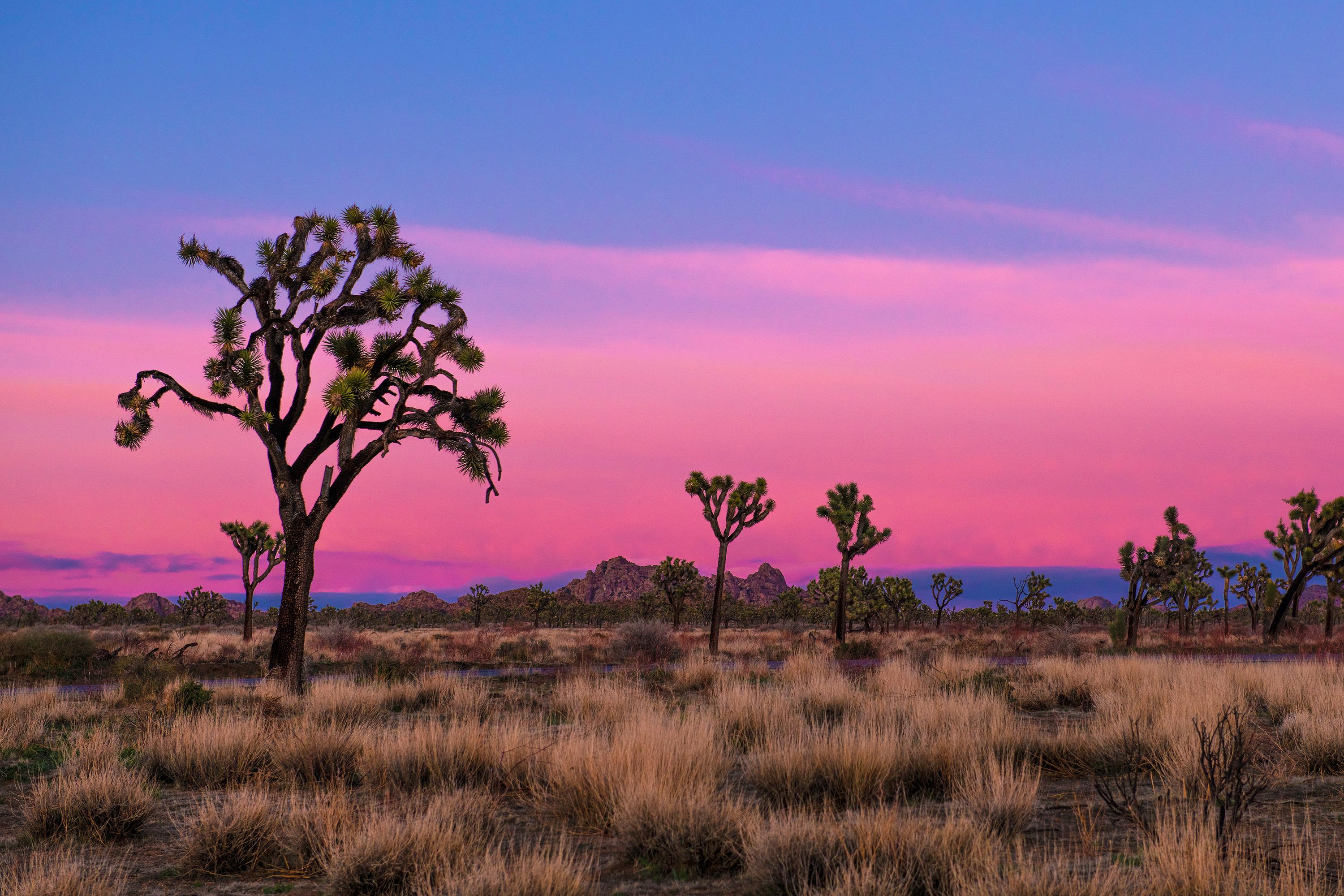
- Characteristics: Cooler, wetter, home to Joshua trees
- Key Areas: Hidden Valley, Jumbo Rocks, Wonderland of Rocks
- Best For: Rock climbing, Joshua tree forests, cooler hiking
The Colorado Desert (Eastern Park)
- Elevation: Below 3,000 feet
- Characteristics: Hotter, drier, more barren
- Key Areas: Cholla Cactus Garden, Cottonwood Spring
- Best For: Desert flora, spring wildflowers, solitude
Getting There & Entrance Strategy
Three Park Entrances
-
West Entrance (Joshua Tree town)
- Most popular and congested
- Closest to climbing areas
- Expect long waits on weekends
-
North Entrance (Twentynine Palms)
- Less crowded alternative
- Near Oasis Visitor Center
- Better for avoiding traffic
-
South Entrance (I-10 via Cottonwood)
- Least used entrance
- Access to Colorado Desert section
- Best for avoiding crowds entirely
Nearest Airports
- Palm Springs International (PSP) - 45 miles
- Ontario International (ONT) - 90 miles
- Los Angeles International (LAX) - 140 miles
When to Visit: Seasonal Survival Guide
Peak Season (October-May)
Weather: Days 70-85°F, nights 40-55°F Crowds: Heavy, especially weekends and holidays Survival Tips:
- Arrive before 8 AM or after 4 PM
- Book camping 6 months ahead
- Have backup plans for popular trails
- Weekdays are significantly less crowded
Summer Survival (June-September)
Weather: Days 100-115°F, nights 75-85°F Crowds: Minimal (for good reason) Extreme Heat Protocol:
- Hike only before 10 AM
- Carry 2+ gallons water per person
- Never hike alone
- Know heat exhaustion symptoms
- Some areas closed to protect wildlife
Wildflower Season (February-April)
Conditions: Variable, dependent on winter rainfall Blooms: Desert marigold, brittlebush, lupine Reality Check: Spectacular blooms occur roughly every 5-10 years
Top Hikes & Trails
Easy Trails (Family-Friendly)
Hidden Valley Nature Trail
- Distance: 1 mile loop
- Duration: 30-60 minutes
- Highlights: Legendary cattle rustler hideout, rock formations
- Parking: Fills by 9 AM on weekends
Cholla Cactus Garden
- Distance: 0.25 mile loop
- Duration: 15-20 minutes
- Highlights: Dense teddy bear cholla forest
- Warning: Do NOT touch - barbed spines are extremely painful
Skull Rock
- Distance: 1.7 mile loop
- Duration: 45-90 minutes
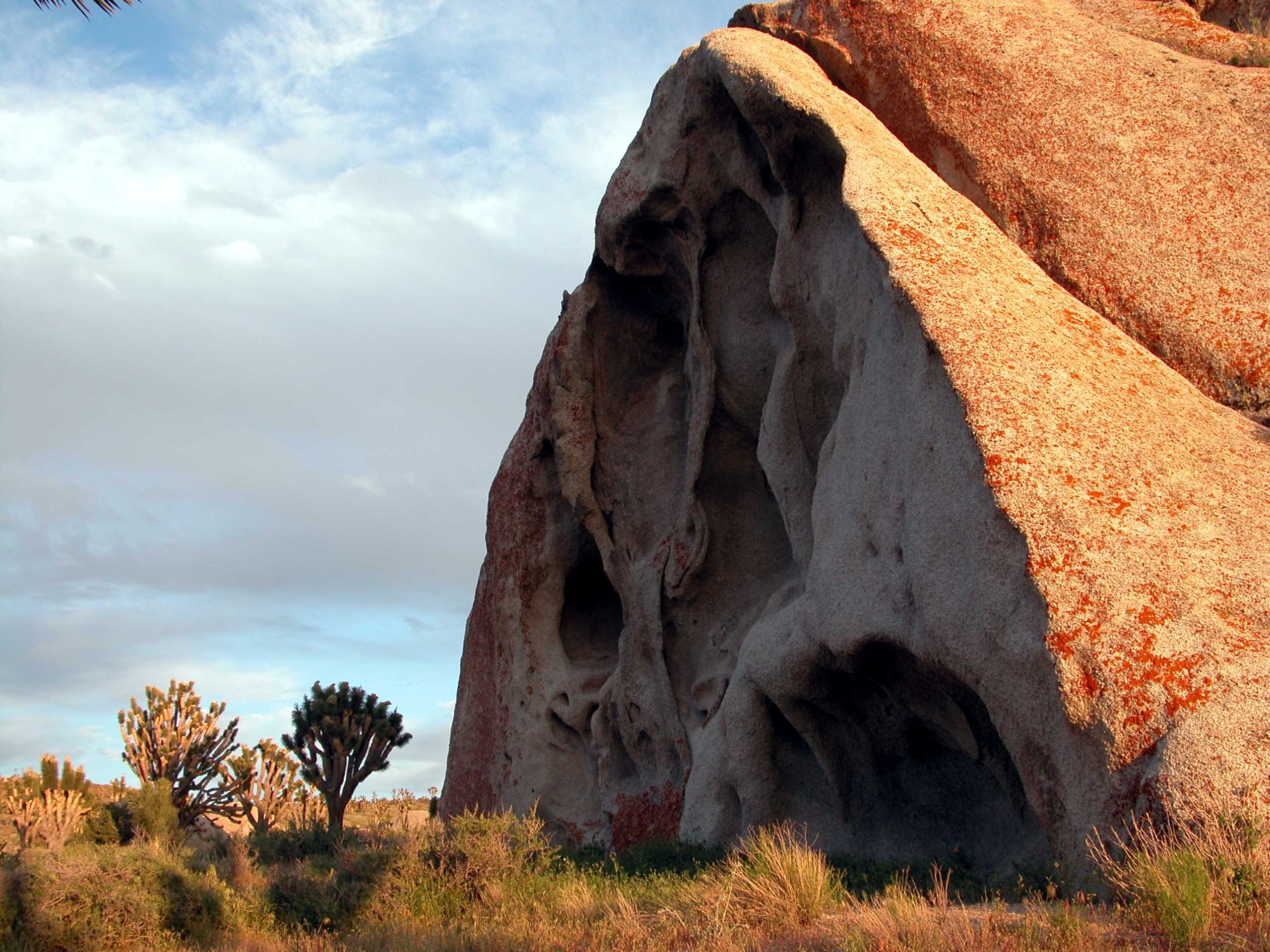
- Highlights: Iconic skull-shaped rock formation
- Pro tip: Visit at sunset for best photos
Moderate Trails
Ryan Mountain
- Distance: 3 miles round trip
- Elevation Gain: 1,050 feet
- Duration: 2-3 hours
- Highlights: 360-degree panoramic views
- Difficulty: Steep but rewarding
Barker Dam
- Distance: 1.1 mile loop
- Duration: 30-60 minutes
- Highlights: Historic dam, possible bighorn sheep sightings
- Best time: Early morning for wildlife
Lost Horse Mine
- Distance: 4 miles round trip (6.5 mile loop option)
- Duration: 2-4 hours
- Highlights: Well-preserved gold mine ruins
- Historical note: Produced $500,000 in gold (1890s-1930s)
Strenuous Trails (Advanced)
Fortynine Palms Oasis
- Distance: 3 miles round trip
- Elevation Gain: 300 feet each direction
- Duration: 2-3 hours
- Highlights: Desert oasis with California fan palms
- Note: Closed in summer for bighorn sheep access
Lost Palms Oasis
- Distance: 7.5 miles round trip
- Duration: 4-5 hours
- Highlights: Largest palm oasis in park
- Survival tip: Start early, bring extra water
Rock Climbing & Bouldering Paradise
Joshua Tree ranks among the world's premier climbing destinations with:
- Over 8,000 established routes
- 2,000+ boulder problems
- All difficulty levels (5.2 to 5.14)
- Perfect weather October-May
Popular Climbing Areas
- Hidden Valley: Beginner-friendly, classic routes
- Jumbo Rocks: Extensive bouldering
- Indian Cove: Traditional multi-pitch routes
- Wonderland of Rocks: Remote, adventurous climbing
Climbing Gear Essentials
- Approach shoes with sticky rubber
- Helmet (mandatory for safety)
- Full rack of protection
- Multiple crash pads for bouldering
- Headlamp for inevitable late returns
Recommended gear: climbing
- Hiking Backpacksvia REI
- Trail Shoesvia Merrell
- Book Lodgingvia Booking.com
- Car Rentalsvia Rentalcars.com
We may earn a commission from purchases made through links on this page. See our disclosure.
Wildlife: Desert Survival Adaptations
Common Sightings
- Roadrunners: Year-round residents
- Desert Bighorn Sheep: Near water sources
- Coyotes: Most active dawn/dusk
- Desert Tortoises: Federally threatened - report sightings
- Black-tailed Jackrabbits: Evening hours
Dangerous Wildlife
-
Rattlesnakes: 7 species present
- Most active April-October
- Stay on trails
- Use flashlight at night
- If bitten: Stay calm, remove jewelry, seek immediate medical help
-
Scorpions & Black Widows
- Check shoes and sleeping bags
- Use UV flashlight to spot scorpions
- Shake out all gear before use
Camping: Desert Nights Under Stars
Campground Options
Reservable Campgrounds (Book 6 months ahead)
- Black Rock (99 sites): $35/night, water, flush toilets
- Cottonwood (62 sites): $35/night, water available
- Indian Cove (101 sites): $35/night, no water
- Jumbo Rocks (124 sites): $30/night, no water
First-Come, First-Served
- Hidden Valley (44 sites): $25/night, fills by noon
- White Tank (15 sites): $25/night, most remote
- Belle (18 sites): $25/night, small and quiet
Backcountry Camping
- Free with registration
- Must be 1 mile from roads, 500 feet from trails
- No water sources - cache supplies
- Leave no trace principles mandatory
Photography: Capturing Desert Magic
Golden Hour Hotspots
- Keys View: Sunrise over Coachella Valley
- Jumbo Rocks: Sunset rock glow
- Cholla Cactus Garden: Backlit cacti at sunset
Night Sky Photography
- Best Locations: Cottonwood area, Pinto Basin Road
- New Moon Dates: Check lunar calendar
- Settings: f/2.8, ISO 1600-3200, 20-25 seconds
- Essential Gear: Sturdy tripod, remote shutter, red headlamp
Stargazing: International Dark Sky Park
Designated viewing areas with minimal light pollution:
- Cap Rock parking area
- Hidden Valley picnic area
- Cottonwood Campground
- Pinto Basin backcountry
What You'll See:
- Milky Way (best May-September)
- Andromeda Galaxy (fall/winter)
- Meteor showers throughout the year
- Planets visible to naked eye
Where to Stay: Gateway Communities
Joshua Tree/Twentynine Palms
- Budget: Motel 6, Americas Best Value Inn ($70-100)
- Mid-Range: Joshua Tree Inn, Harmony Motel ($100-150)
- Unique Stays: Airstream rentals, desert cabins ($150-300)
Palm Springs Area (45 minutes)
- Luxury Resorts: Two Bunch Palms, Desert Hot Springs spas
- Better dining and nightlife options
- Higher prices but more amenities
Lodging near Joshua Tree
We may earn a commission from purchases made through links on this page. See our disclosure.
Safety & Survival Priorities
Heat-Related Emergencies
- Prevention: Drink before thirsty, rest in shade, avoid midday sun
- Heat Exhaustion Signs: Headache, nausea, dizziness, excessive sweating
- Heat Stroke (EMERGENCY): Hot dry skin, confusion, loss of consciousness
- Action: Move to shade, cool with water, call 911
Getting Lost
- Prevention: Stay on marked trails, carry map and compass
- If Lost: Stop, stay calm, blow whistle (3 blasts)
- Conserve Water: Find shade, minimize movement
- Signal: Mirror, bright clothing, rock cairns
Flash Floods
- Season: July-September monsoons
- Danger Zones: Washes, canyons, low areas
- Warning Signs: Dark clouds, distant thunder
- Action: Move to high ground immediately
Park Regulations & Etiquette
Prohibited Activities
- Collecting rocks, plants, artifacts
- Feeding or approaching wildlife
- Camping outside designated areas
- Drones without special permit
- Off-road driving
- Graffiti or rock stacking
Leave No Trace
- Pack out all trash (including organic waste)
- Stay on designated trails
- Respect wildlife viewing distances
- Minimize campfire impacts (use camp stoves)
- Leave rocks, plants, and artifacts untouched
Insider Tips for Maximum Enjoyment
- Beat the Crowds: Tuesday-Thursday visits see 40% fewer visitors
- Parking Strategy: Arrive at popular spots before 8 AM or after 5 PM
- Water Sources: Fill containers night before - morning lines are long
- Cell Service: Download offline maps; service only in some campgrounds
- Wildlife Viewing: Dawn at Barker Dam for bighorn sheep
- Photography: Thursday-Sunday closures at some climbing areas
- Camping: Hidden Valley fills last among first-come sites
- Weather: Wind can exceed 50 mph - secure all gear
Complete Trail Guide: 74 Joshua Tree Hikes
Quick Trail Finder by Duration
Short Hikes (Under 1 Hour)
- Oasis of Mara: 30-45 minutes
- Hidden Valley: 30-60 minutes
- Barker Dam: 30-60 minutes
- Cholla Cactus Garden: 15-20 minutes
- Cap Rock: 15-30 minutes
- Skull Rock: 30-45 minutes
Half-Day Adventures (1-3 Hours)
- Ryan Mountain: 2-3 hours
- Fortynine Palms Oasis: 2-3 hours
- Wall Street Mill: 45-120 minutes
- Arch Rock: 45-90 minutes
- Split Rock: 90-150 minutes
- Lost Horse Mine: 2-4 hours
Full-Day Expeditions (3-5+ Hours)
- Panorama Loop: 3-5 hours
- Lost Palms Oasis: 4-5 hours
- Boy Scout Trail: 6-8 hours (one way)
- Warren Peak: 5-6 hours
- Mastodon Peak Loop: 3-4 hours
Multi-Day Backpacking
- California Riding & Hiking Trail: 36.6 miles (2-4 days)
- Pine City to Desert Queen Mine: 2-15 days (various routes)
Specialized Trail Categories
Best for Families with Kids
- Discovery Trail (nature education)
- Hi-View Trail (easy, scenic)
- Cottonwood Spring Nature Trail
- Bajada Nature Trail (wheelchair accessible)
Rock Scrambling Adventures
- Minerva Hoyt Trail
- Crown Prince Lookout
- South Astrodome Trail
- Lucky Boy Vista
Historic Sites & Mines
- Desert Queen Mine & Wash
- Eldorado Mine
- Keys Ranch Tour (guided only)
- Pleasant Valley to El Dorado Mine
Oasis & Water Features
- Fortynine Palms Oasis
- Lost Palms Oasis
- Cottonwood Spring
- Munsen Canyon (seasonal water)
Peak Bagging
- Ryan Mountain (5,457 ft)
- Warren Peak (5,103 ft)
- Minerva Hoyt (4,647 ft)
- South Astrodome (4,310 ft)
Seasonal Trail Considerations
Summer Closures (June-September)
- Fortynine Palms Oasis (bighorn sheep water access)
- Some backcountry areas for wildlife protection
Best Wildflower Trails (Feb-April)
- Bajada Nature Trail
- Pinto Basin Road area
- Cottonwood Spring vicinity
Night Hiking (Year-round)
- Boy Scout Trail (full moon recommended)
- Hidden Valley (easy navigation)
- Cap Rock (short, safe option)
Essential Contact Information
- Emergency: 911 (limited cell coverage)
- Park Dispatch: (760) 367-5500
- Oasis Visitor Center: (760) 367-5500
- Joshua Tree Visitor Center: (760) 366-1855
- Website: nps.gov/jotr
- Road Conditions: (760) 367-3015
Final Survival Wisdom
Joshua Tree's harsh beauty rewards the prepared and punishes the careless. Respect the desert's power, carry more water than you think you need, and always have a backup plan. This otherworldly landscape offers experiences found nowhere else on Earth - from world-class climbing to profound solitude under star-filled skies. Come prepared, stay safe, and leave only footprints in this fragile desert ecosystem.
Real satellite imagery on NASA elevation — orbit the peaks at true scale.
Explore in 3D →What the park will quietly do to you.
Heat & Sun
SummerSummer highs can hit 100°F+ in many western parks. Carry 2 L of water per person minimum and avoid strenuous activity 10am–4pm.
Wildlife
Year-roundKeep 100 yards from bears and wolves, 25 from everything else. Never feed wildlife — it changes their behavior and ends with the animal euthanized.
Weather windows
SummerHigh-country thunderstorms build fast in summer afternoons. Plan to be off exposed ridges by noon, especially July–September.
Permits & timed entry
Plan aheadSeveral parks require timed-entry reservations or wilderness permits. Reserve weeks ahead via recreation.gov — same-day windows are limited.
Hero photo: NPS / Emily Hassell