Lassen Volcanic National Park
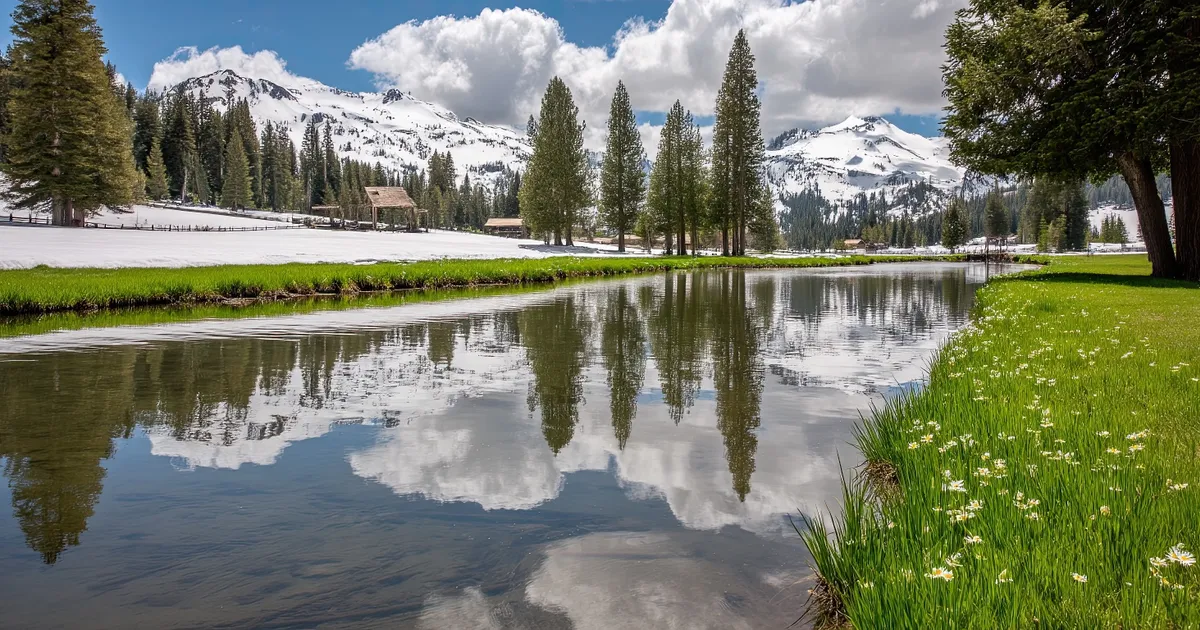
Fast Facts
Park Overview
Lassen Volcanic National Park preserves one of the most recently active volcanic landscapes in the continental United States, where steaming fumaroles, bubbling mudpots, and crystal-clear mountain lakes tell the ongoing story of Earth's volcanic power. Following its dramatic 1915 eruption, Lassen Peak remains a centerpiece of this geothermal wonderland that showcases all four types of volcanoes found on Earth.
The park's 106,372 acres encompass a remarkable diversity of volcanic features and ecosystems, from hydrothermal areas rivaling Yellowstone to pristine wilderness lakes and ancient forests. Sitting at the southern end of the Cascade Range where it meets the Sierra Nevada and Great Basin, Lassen offers a unique convergence of geological forces and biological diversity, all accessible via scenic drives and over 150 miles of trails.
Essential Alerts
Road Access - Critical Planning Information
Main Park Highway (Lassen Volcanic National Park Highway)
- Connects Northwest and Southwest entrances (30 miles)
- Opening dates vary dramatically by snowpack
- Typically closed November through May/June/July
- Can open as early as late May or as late as late July
- Check current status before planning June trips
Current Conditions
- 2021 Dixie Fire Impacts: Some trails may have damaged markers
- Hydrothermal Areas: Stay on boardwalks - ground may be unstable
- High Altitude: Main road reaches 8,512 feet
- Limited Cell Service: Nearly non-existent throughout park
When to Visit
Summer (July-September): Peak Season
- Pros: All roads/trails typically open, warm weather, wildflowers
- Cons: Crowds at popular spots, afternoon thunderstorms
- Parking: Bumpass Hell and Lassen Peak fill by mid-morning
Fall (October): Transition Time
- Pros: Fewer crowds, fall colors, crisp air
- Cons: Snow possible, some facilities closing
- Note: Road can close suddenly with first major storm
Winter (November-April): Snow Season
- Pros: Solitude, snow activities, transformed landscape
- Cons: Highway closed, limited access from south only
- Activities: Snowshoeing, cross-country skiing from Southwest entrance
Spring (May-June): The Gamble
- Pros: Waterfalls at peak, wildflowers beginning
- Cons: Road may still be closed, trails snow-covered
- Reality: June visits are weather-dependent
Historical Road Opening Dates
- 2023: July 1 (17.9 feet of snow)
- 2021: June 24 (9.5 feet of snow)
- 2017: July 27 (21.3 feet of snow)
- Low snow years: Late May
- Heavy snow years: Late July
Getting There
From Major Cities
- Sacramento: 180 miles (3 hours) via I-5 and CA-36
- San Francisco: 250 miles (4.5 hours) via I-5
- Reno: 150 miles (3 hours) via US-395 and CA-36
- Portland: 470 miles (7.5 hours) via I-5
Park Entrances
- Southwest Entrance (Kohm Yah-mah-nee): Year-round access, visitor center
- Northwest Entrance (Manzanita Lake): Seasonal, services available
- Butte Lake: Rough dirt road, high clearance recommended
- Warner Valley: Dirt road, seasonal access
- Juniper Lake: Rough road, high clearance required
Gateway Communities
- Mineral: 9 miles from Southwest entrance, basic services
- Chester: 30 miles from Warner Valley, full services
- Shingletown: 15 miles from Northwest entrance
- Red Bluff: 45 miles west, major services
Volcanic Wonders
Bumpass Hell
- Distance: 3 miles round trip
- Difficulty: Moderate (steep return)
- Features: Largest hydrothermal area, boardwalks through steaming landscape
- Highlights: Boiling pools, mudpots, fumaroles
- Parking: Very limited, arrive before 9 AM
Sulphur Works
- Location: Roadside pullout on main highway
- Accessibility: Paved path, wheelchair accessible
- Features: Easily accessed hydrothermal activity
- Safety: Stay behind railings
Devils Kitchen
- Location: Warner Valley (remote area)
- Distance: 4.2 miles round trip
- Features: Second largest hydrothermal area
- Advantage: Far fewer crowds
Boiling Springs Lake
- Distance: 3 miles round trip from Warner Valley
- Features: Large acidic lake, temperature ~125°F
- Trail: Through meadows and forest
Summit Adventures
Lassen Peak
- Distance: 5 miles round trip
- Elevation Gain: 2,000 feet
- Difficulty: Strenuous
- Time: 3-5 hours
- Summit: 10,457 feet with 360-degree views
- Conditions: Snow possible into July
Brokeoff Mountain
- Distance: 7.4 miles round trip
- Elevation Gain: 2,600 feet
- Features: Arguably best views in park
- Less Crowded: Alternative to Lassen Peak
Cinder Cone
- Location: Butte Lake area
- Distance: 4 miles round trip
- Challenge: Steep loose cinders
- Reward: Painted Dunes views
Lake & Waterfall Destinations
Manzanita Lake
- Features: Reflection views of Lassen Peak
- Activities: Kayaking, canoeing, swimming
- Trail: 1.9-mile loop around lake
- Rentals: Available at camper store
Kings Creek Falls
- Distance: 2.3 miles round trip (or 1.8-mile loop)
- Difficulty: Moderate with steep sections
- Feature: 30-foot waterfall
- Best Time: Late spring/early summer
Summit Lake
- Location: Highest point on main road
- Activities: Swimming (cold!), picnicking
- Trails: Easy loops around both lakes
Bumpass Hell to Lake Helen
- Feature: Stunning alpine lake
- Access: Via Bumpass Hell trail
- Photography: Classic Lassen Peak reflections
Where to Stay
In the Park
Unique Lodging
Drakesbad Guest Ranch
- Historic lodge in Warner Valley
- All-inclusive rates
- Natural hot springs pool
- Reservations essential (often 1 year ahead)
- Open June-October
Nearby Accommodations
- Mineral Lodge: Basic motel near Southwest entrance
- Chester/Lake Almanor: Full range of options
- Hat Creek Resort: Between park and Burney
- Shingletown: Limited options near Northwest
Backcountry Camping
- Wilderness permits required (self-registration)
- Bear canisters mandatory
- Designated sites available
- Check fire restrictions
Wildlife & Natural History
Common Sightings
- Black Bears: ~50 in park, proper food storage essential
- Mule Deer: Meadows and forest edges
- Mountain Lions: Present but rarely seen
- Pikas: High elevation talus slopes
- Clark's Nutcracker: Whitebark pine areas
Rare Species
- Sierra Nevada Red Fox: Critically endangered
- Wolverine: Occasional sightings
- Lassen Wolf Pack: Recently established
Flora Highlights
- Wildflower Peak: July-August
- Mountain Heather: Alpine areas
- Lupine Meadows: Throughout park
- Ancient Forests: Some trees over 600 years old
Seasonal Activities
Summer Programs
- Ranger-led hikes and talks
- Junior Ranger program
- Dark Sky astronomy programs
- Campfire programs
Winter Recreation
- Ranger-led snowshoe walks (weekends)
- Cross-country ski trails from Southwest entrance
- Snow play areas
- Winter camping (experienced only)
Special Events
- Dark Sky Festival: August
- Wildflower Walks: July-August
- Volcano Anniversary: May (1915 eruption)
Photography Hotspots
Classic Shots
- Manzanita Lake: Lassen Peak reflection at sunrise
- Bumpass Hell: Steam rising at dawn
- Lake Helen: Alpine scenery
- Hat Lake: Dead trees from 1915 eruption
Night Photography
- Summit Lake: Milky Way reflections
- Devastated Area: Star trails over Lassen
- Cinder Cone: Dark sky panoramas
Wildlife Photography
- Early morning and evening best
- Telephoto lens essential
- Respect minimum distances
- Never bait or approach
Essential Gear
Year-Round Necessities
- Layers: Temperature swings 40°F+ daily
- Rain Gear: Afternoon storms common
- Sun Protection: High altitude intensity
- Sturdy Boots: Volcanic terrain rough
Summer Additions
- Insect repellent
- Extra water (minimum 2 liters/person)
- Trekking poles for steep trails
- Microspikes for early season snow
Winter Equipment
- Snowshoes or cross-country skis
- Waterproof gloves and boots
- Emergency shelter/bivy
- Avalanche awareness for backcountry
Planning Tips
Avoid Crowds
- Visit midweek
- Start hikes before 8 AM
- Explore remote areas (Warner Valley, Juniper Lake)
- September visits ideal
Multi-Day Itinerary
Day 1: Bumpass Hell, Sulphur Works, Southwest area Day 2: Lassen Peak climb (start early!) Day 3: Manzanita Lake area, Kings Creek Falls Day 4: Cinder Cone or Warner Valley
Budget Tips
- Camp instead of lodging outside park
- Pack all meals and snacks
- Free ranger programs
- Annual pass pays for itself in 2 visits
Final Advice
- Check road status before June visits
- Download offline maps (no cell service)
- Carry chains October-May
- Book Drakesbad year in advance
- Respect hydrothermal features
- Prepare for altitude (drink water!)
Lassen Volcanic National Park offers an accessible yet wild volcanic landscape where Earth's power is on full display. From steaming fumaroles to pristine mountain lakes, from challenging summit climbs to peaceful forest walks, the park provides diverse experiences for every visitor. Come prepared for mountain weather, respect the active geological features, and discover why this hidden gem of the Cascade Range continues to captivate those who venture into its volcanic embrace.
Park Overview
Detailed overview of the park's history, geography, and main attractions will go here. This section provides essential background information for visitors.
Top Hikes
- Iconic Summit TrailDifficulty: Strenuous • Distance: 8 miles round trip
Loading reviews…
- Waterfall LoopDifficulty: Moderate • Distance: 3 miles loop
Loading reviews…
- Lakeside WalkDifficulty: Easy • Distance: 1.5 miles out & back
Loading reviews…
Recommended Hiking Gear
Gear up for your adventure with our trusted partners. These items help support the site at no extra cost to you!

Places to Stay
- Historic Park LodgeBook early!Type: Lodge
Loading reviews…
- Riverside CampgroundReservations required.Type: Campground
Loading reviews…
- Gateway Town Hotel15 miles from entrance.Type: Nearby Hotel
Loading reviews…