Mount Rainier National Park
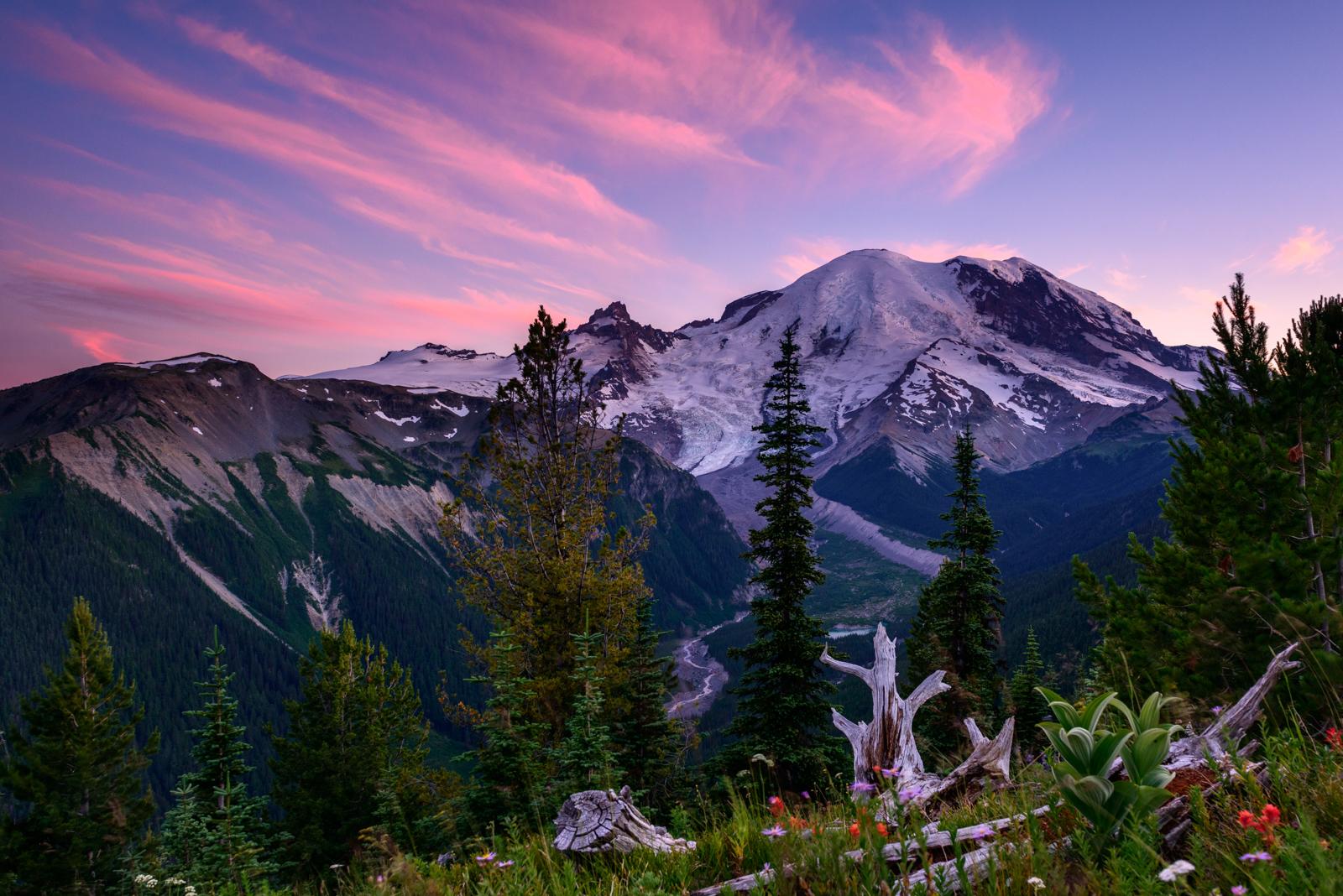
Mount Rainier National Park preserves an active volcano that towers 14,411 feet above sea level, creating its own weather systems and harboring the largest glacial system in the contiguous United States. This iconic peak, visible from Seattle on clear days, dominates the Pacific Northwest skyline and draws over two million visitors annually to experience its subalpine meadows, ancient forests, and dramatic glacial landscapes. The mountain the native Puyallup, Muckleshoot, Yakama, and Cowlitz peoples call Tahoma or Tacoma remains one of the most potentially hazardous volcanoes in the Cascade Range.
Established as the nation's fifth national park in 1899, Mount Rainier encompasses 236,381 acres of diverse ecosystems ranging from lowland old-growth forests to alpine tundra. The park protects 26 named glaciers covering approximately 35 square miles, though climate change has reduced glacial coverage by 39% since 1896. Beyond its glaciers, the park is renowned for its wildflower meadows that explode with color each summer, creating some of the most spectacular floral displays in North America. This volcanic landscape continues to shape itself through ongoing geological processes, making it a living laboratory for scientists studying volcanism, glaciology, and alpine ecology.
Key Highlights
- Paradise: Most visited area with visitor center, wildflower meadows, and glacier views
- Sunrise: Highest point accessible by vehicle at 6,400 feet
- Wonderland Trail: 93-mile trail circumnavigating the entire mountain
- 26 Named Glaciers: Including massive Emmons and Carbon glaciers
- Grove of the Patriarchs: Ancient forest with trees over 1,000 years old
- Reflection Lakes: Perfect mountain reflections on calm days
- Active Volcano: Last eruption ~1,000 years ago, still considered dangerous
- Wildflower Season: Peak blooms July-August in subalpine meadows
Getting There
Mount Rainier's multiple entrances provide access to different areas of the park, though winter closures significantly limit options.
From Seattle (Nisqually Entrance - Southwest)
Primary Route to Paradise
- Take I-5 South to Highway 512
- Exit onto Highway 7 South through Elbe
- Continue to Highway 706 East at Ashford
- 2 hours from Seattle (95 miles)
- Year-round access to Paradise
Alternative via Highway 410
- Summer only (typically closed November-May)
- Through Enumclaw and Greenwater
- Access to White River/Sunrise area
- 2.5 hours to Sunrise
From Portland (Stevens Canyon Entrance - Southeast)
Via Highway 12
- Take I-5 North to Highway 12 East
- Through Packwood to park entrance
- 2.5 hours from Portland (140 miles)
- Closed in winter at Reflection Lakes
Other Entrances
White River Entrance (Northeast)
- Highway 410 from Enumclaw
- Access to Sunrise only
- Closed October-June
- Popular for climbers
Carbon River Entrance (Northwest)
- Highway 165 from Puyallup
- Gravel road final 5 miles
- Limited facilities
- Year-round access to entrance only
Transportation Options
Personal Vehicle Essential
- No public transportation to park
- Limited parking at popular areas
- Arrive early in summer (before 10 AM)
- Chains required November-May
Tour Options
- Seattle-based day tours
- Specialized photography tours
- Climbing guide services
- Winter snowshoe tours
Best Time to Visit
Timing your visit depends entirely on elevation and desired activities, as conditions vary dramatically.
Summer: July-September
Peak Season Benefits
- All roads typically open
- Wildflower peak (mid-July to mid-August)
- Camping and backcountry access
- Visitor centers fully operational
- Ranger programs available
Challenges
- Extreme crowds at Paradise
- Parking difficulties
- Higher accommodation costs
- Weekend traffic jams
Shoulder Seasons
Late Spring: May-June
- Snow lingers at higher elevations
- Waterfalls at peak flow
- Fewer crowds
- Lower elevations accessible
- Variable weather
Early Fall: October
- Fall colors in lower forests
- Larch trees turn golden
- First snows possible
- Sunrise closes mid-October
- Crisp, clear days
Winter: November-April
Winter Wonderland
- Paradise becomes snow play area
- Excellent snowshoeing
- Cross-country skiing
- Only Nisqually entrance open
- Chains mandatory
Limitations
- Most park roads closed
- Sunrise inaccessible
- Extreme weather possible
- Limited services
- Avalanche hazards
Weather Patterns
Paradise (5,400 feet)
- July-August: 60-70°F days
- September: 50-60°F
- Winter: 20-35°F
- Annual snowfall: 680 inches
Sunrise (6,400 feet)
- Summer: 55-65°F days
- Freezing possible any night
- Snow possible year-round
- Extreme wind exposure
Activities and Adventures
The park offers experiences ranging from scenic drives to technical mountaineering.
Scenic Drives
Paradise Road
- 19 miles from Nisqually entrance
- Elevation gain: 4,000 feet
- Multiple viewpoints
- Narada Falls stop
- Christine Falls
- Year-round to Paradise
Sunrise Road
- Highest paved road in Washington
- 15 miles from White River entrance
- Spectacular mountain views
- Sunrise Point vista
- Summer only access
Stevens Canyon Road
- Connects Paradise to Ohanapecosh
- Box Canyon viewpoint
- Reflection Lakes
- Summer only
- Engineering marvel
Hiking Trails
Easy Walks
- Trail of the Shadows: 0.7 miles at Longmire
- Nisqually Vista: 1.2 miles at Paradise
- Silver Falls: 3 miles round trip
- Emmons Vista: 0.5 miles at Sunrise
Moderate Hikes
- Skyline Trail: 5.5-mile loop from Paradise
- Bench Lake: 2.5 miles from Paradise
- Tolmie Peak: 6.5 miles round trip
- Comet Falls: 3.8 miles, 1,000-foot gain
Challenging Routes
- Panorama Point: 4.5 miles, 1,400-foot gain
- Mount Fremont Lookout: 5.6 miles from Sunrise
- Spray Park: 8 miles through meadows
- Indian Bar: 14 miles round trip
Epic Adventures
- Wonderland Trail: 93 miles, 10-14 days
- Northern Loop: 35 miles, 3-4 days
- Summit Climb: Technical mountaineering
- Backcountry camping permits required
Winter Activities
Snowshoeing
- Paradise designated trails
- Ranger-led walks weekends
- Rentals at Longmire/Paradise
- Avalanche awareness essential
Cross-Country Skiing
- Groomed trails at Paradise
- Backcountry touring options
- Reflection Lakes road
- Variable conditions
Snow Camping
- Paradise area only
- Permits required
- Winter survival skills mandatory
- Minimum 100 feet from roads
Mountaineering
Summit Attempts
- 9,000+ climbers annually
- Success rate: ~50%
- Guided climbs available
- Extensive experience required
- Climbing permits mandatory
Popular Routes
- Disappointment Cleaver (easiest)
- Emmons Glacier
- Liberty Ridge (most difficult)
- Multi-day expeditions
Wildlife and Natural Features
The park's diverse elevations support remarkable biodiversity from temperate rainforest to alpine tundra.
Large Mammals
Black Bears
- Population: 200-250
- Active May-October
- Berry season encounters common
- Food storage mandatory
- No grizzlies present
Mountain Goats
- Non-native introduction
- Removal efforts ongoing
- Skyline Trail sightings
- Salt-seeking behavior
- Keep 100 feet distance
Roosevelt Elk
- Largest deer species
- Carbon River area
- Sunrise meadows
- Fall bugling season
- 1,000+ pound bulls
Other Wildlife
- Black-tailed deer
- Cougars (rarely seen)
- Bobcats
- Coyotes
- River otters
Birds and Small Creatures
Alpine Species
- White-tailed ptarmigan
- Gray-crowned rosy finch
- American pipit
- Horned lark
Forest Birds
- Varied thrush
- Gray jay
- Northern spotted owl
- Pileated woodpecker
Small Mammals
- Hoary marmots
- Pikas
- Golden-mantled ground squirrels
- Douglas squirrels
Glaciers and Geology
Major Glaciers
- Emmons: Largest by area
- Carbon: Lowest elevation terminus
- Nisqually: Most accessible
- Cowlitz-Ingraham: Climbing route
Volcanic Features
- Summit crater with ice caves
- Steam vents at summit
- Lahars (mudflow) paths
- Volcanic bombs scattered
Geologic Hazards
- Debris flows common
- Glacial outburst floods
- Rockfall zones
- Future eruption threat
Wildflower Meadows
Paradise Meadows
- Peak bloom: late July
- Avalanche lilies first
- Lupine and paintbrush
- Mountain ash berries
- Stay on trails always
Sunrise Meadows
- Later blooms than Paradise
- American bistort
- Pasque flowers
- Magenta paintbrush
- Fragile alpine environment
Lodging and Camping
Limited in-park accommodations make advance reservations essential.
In-Park Lodging
National Park Inn (Longmire)
- 25 rooms, year-round
- Historic 1920 building
- No TVs or phones
- Shared or private baths
- $150-250/night
- Restaurant on-site
Paradise Inn
- 121 rooms
- Open May-September only
- Historic 1916 lodge
- Shared or private baths
- $180-350/night
- Dining room and lounge
Campgrounds
Cougar Rock
- 173 sites
- Open May-September
- Reservations recommended
- RVs to 35 feet
- $35/night
Ohanapecosh
- 188 sites
- Open May-September
- Along river
- Old-growth setting
- $35/night
White River
- 112 sites
- Open July-September
- Highest campground
- First-come basis
- $20/night
Mowich Lake
- 10 walk-in sites
- No reservations
- Primitive camping
- Free
- Rough access road
Gateway Communities
Ashford
- 6 miles from Nisqually entrance
- Multiple lodges and cabins
- Restaurants and gas
- Whittaker's Bunkhouse
- Rates: $80-200/night
Packwood
- 7 miles from Stevens Canyon
- Hotels and motels
- Full services
- Mountain View Lodge
- Rates: $70-150/night
Crystal Mountain
- 6 miles from park boundary
- Resort accommodations
- Summer gondola rides
- Higher-end lodging
- Rates: $150-400/night
Essential Information
Park Fees
- Vehicle Pass: $30 (7 days)
- Motorcycle: $25
- Individual: $15
- Annual Pass: $55
- America the Beautiful accepted
Permits and Reservations
Wilderness Camping
- Permits required for overnight
- 60% reservable online
- 40% first-come walk-up
- $20 reservation fee
- Popular areas fill immediately
Climbing Permits
- Required above 10,000 feet
- $52 per person/climb
- Annual pass: $80
- Register at ranger stations
Vehicle Reservations
- Timed entry for Paradise corridor
- Summer peak hours only
- $2 reservation fee
- Book at Recreation.gov
Safety Considerations
Mountain Weather
- Changes rapidly
- Snow possible year-round
- Hypothermia risk always
- Lightning above treeline
- Whiteout conditions common
Volcanic Hazards
- Lahar evacuation routes posted
- Emergency sirens in valleys
- Know evacuation plans
- Monitor alert systems
Glacier Travel
- Crevasse danger
- Rope teams required
- Technical skills essential
- Never travel alone
- Hire guides if inexperienced
What to Bring
Essential Gear
- Rain jacket and pants
- Warm layers (fleece/down)
- Sturdy hiking boots
- Sun protection
- First aid kit
- Map and compass
Seasonal Items
- Summer: Bug spray, wildflower guide
- Winter: Chains, snowshoes, avalanche beacon
- Spring/Fall: Microspikes, gaiters
- All seasons: Extra food and water
Visitor Centers
Paradise Visitor Center
- Open daily in summer
- Weekends only in winter
- Exhibits and films
- Ranger programs
- Wilderness permits
Sunrise Visitor Center
- Open July-September only
- Highest visitor center
- Telescope viewing
- Junior Ranger programs
Longmire Museum
- Year-round operation
- Historic exhibits
- Information desk
- Wilderness permits
Services and Facilities
Available Services
- Food at Paradise and Longmire
- Gift shops
- Limited fuel at Longmire
- No cell service most areas
- WiFi at lodges only
Medical
- No medical facilities
- Rangers provide first aid
- Nearest hospital in Puyallup
- Helicopter evacuation possible
- Rescue insurance recommended
Mount Rainier National Park offers an accessible yet wild mountain experience where visitors can witness the raw power of an active volcano draped in ice. From the flower-filled meadows of Paradise to the stark beauty of the alpine zone at Sunrise, the park provides endless opportunities for adventure and contemplation. Whether you're content to admire the mountain from scenic viewpoints or determined to stand on its summit, Rainier demands respect for its weather, altitude, and volcanic nature. Come prepared for rapidly changing conditions, bring proper gear, and remember that this sleeping giant remains one of the most potentially dangerous volcanoes in North America—a reminder that makes every moment in its presence all the more precious.
Real satellite imagery on NASA elevation — orbit the peaks at true scale.
Explore in 3D →What the park will quietly do to you.
Heat & Sun
SummerSummer highs can hit 100°F+ in many western parks. Carry 2 L of water per person minimum and avoid strenuous activity 10am–4pm.
Wildlife
Year-roundKeep 100 yards from bears and wolves, 25 from everything else. Never feed wildlife — it changes their behavior and ends with the animal euthanized.
Weather windows
SummerHigh-country thunderstorms build fast in summer afternoons. Plan to be off exposed ridges by noon, especially July–September.
Permits & timed entry
Plan aheadSeveral parks require timed-entry reservations or wilderness permits. Reserve weeks ahead via recreation.gov — same-day windows are limited.
Hero photo: JD Hascup Photo