Saguaro National Park
Fast Facts
Saguaro National Park
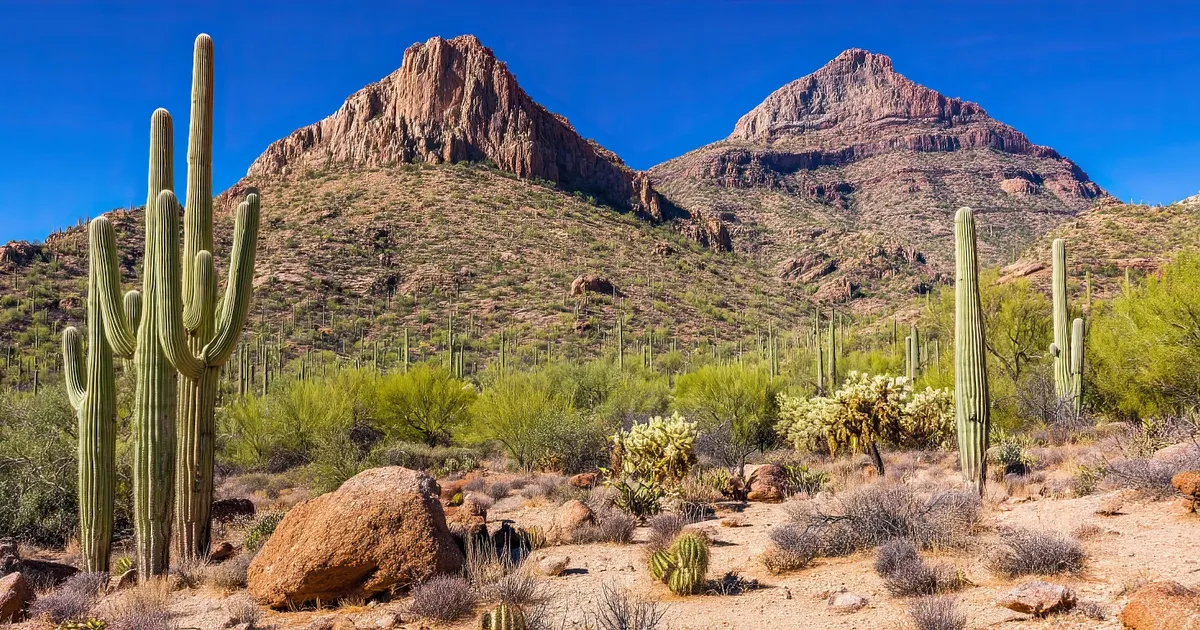
Saguaro National Park in southern Arizona protects the magnificent saguaro cactus (Carnegiea gigantea), an iconic symbol of the American Southwest that can live over 200 years and reach heights of 40 feet. Established in 1994, this unique park consists of two separate districts flanking the city of Tucson, preserving over 91,000 acres of pristine Sonoran Desert ecosystem. The towering saguaros, found nowhere else in the United States, create spectacular desert forests alongside nearly 1,200 other plant species and diverse wildlife perfectly adapted to one of North America's harshest environments.
The park's two districts offer distinctly different experiences while showcasing the same remarkable desert landscape. Saguaro East (Rincon Mountain District) features dense saguaro forests, mountain hiking trails, and the 8,400-foot Mica Mountain, providing cooler refuge zones within the desert preserve. Saguaro West (Tucson Mountain District) offers easier access, dramatic sunset viewing, and the Arizona-Sonora Desert Museum nearby. Together, these districts protect critical habitat for desert bighorn sheep, Gila monsters, and hundreds of bird species while providing visitors with an intimate look at one of the world's most fascinating desert ecosystems.
Key Highlights
- World's Largest Saguaro: Some specimens over 200 years old
- Scenic Loop Drives: 8-mile Bajada Loop and Cactus Forest Drive
- Desert Diversity: 1,200+ plant species, 200+ bird species
- Petroglyphs: Ancient Hohokam rock art sites
- Night Blooming: Spectacular saguaro flowers (April-June)
- Wildlife: Desert bighorn sheep, javelinas, Gila monsters
- Two Districts: East (mountains) and West (lower desert)
- Dark Skies: Excellent stargazing opportunities
Getting There
Both park districts are easily accessible from Tucson, Arizona's second-largest city.
Saguaro East (Rincon Mountain District)
From Tucson (17 miles)
- Take Broadway Boulevard east
- Continue on Old Spanish Trail
- Follow signs to park entrance
- 30-minute drive from downtown
- Higher elevation (2,700+ feet)
From Phoenix (130 miles)
- Take I-10 south to Tucson
- Exit at Broadway Boulevard east
- 2-hour drive total
- Most direct route
Saguaro West (Tucson Mountain District)
From Tucson (15 miles)
- Take Speedway Boulevard west
- Turn right on Gates Pass Road
- Scenic mountain drive
- 25-minute drive from downtown
- Lower elevation (2,200 feet)
Alternative Route
- Take Ajo Way west
- Turn north on Kinney Road
- Less winding route
- Easier for large vehicles
Gateway Services
Tucson
- Full services available
- Major airport hub
- Hotels and restaurants
- Medical facilities
- Last chance for supplies
Green Valley
- 35 miles south of Saguaro East
- Limited services
- Retirement community
- Gas and basic supplies
Transportation Notes
Vehicle Requirements
- Standard vehicles adequate
- Some dirt roads in backcountry
- RV length restrictions on scenic drives
- Fuel up in Tucson
Best Time to Visit
The Sonoran Desert's extreme climate creates distinct seasonal patterns that dramatically affect the visitor experience.
Winter: December-February
Ideal Conditions
- Temperatures: 65-75°F days, 35-45°F nights
- Perfect hiking weather
- Clear, sunny skies
- Peak tourist season
- Comfortable camping
Spring: March-May
Wildflower Season
- Temperatures: 75-85°F days, 45-60°F nights
- Desert wildflower blooms
- Saguaro flowering (April-June)
- Excellent weather continues
- Moderate crowds
Summer: June-September
Extreme Heat Season
- Temperatures exceed 100°F regularly
- Can reach 115°F+
- Monsoon thunderstorms (July-September)
- Life-threatening conditions
- Park activities restricted
Fall: October-November
Return to Comfort
- Temperatures: 80-90°F days, 50-65°F nights
- Crowds diminish
- Perfect hiking returns
- Saguaro fruit season
- Excellent photography light
Seasonal Warnings
Summer Dangers
- Heat stroke risk extreme
- Dehydration rapid
- Ground temperatures 150°F+
- Most trails close dawn-dusk
- Emergency rescues common
Winter Considerations
- Frost possible at night
- Elevation differences significant
- East district much cooler
- Layers essential
Activities and Adventures
Both districts offer unique ways to experience the Sonoran Desert's remarkable ecosystem.
Saguaro East (Rincon Mountain District)
Cactus Forest Drive
- 8-mile paved loop
- 1 hour without stops
- Spectacular saguaro forest
- Multiple trailheads
- Wheelchair accessible areas
Popular Trails
- Desert Discovery Nature Trail: 0.5 miles, easy
- Freeman Homestead Trail: 1 mile, moderate
- Tanque Verde Ridge Trail: 15.8 miles, strenuous
- Douglas Spring Trail: 5.8 miles to campground
- Mica Mountain: 8,400 feet elevation
Backcountry Camping
- Six wilderness campgrounds
- Permits required
- Water scarce above 6,000 feet
- Bear canisters mandatory
- Experienced hikers only
Saguaro West (Tucson Mountain District)
Bajada Loop Drive
- 6-mile gravel road
- 45 minutes driving time
- Dense saguaro stands
- Sunset viewing points
- RV restrictions apply
Signature Trails
- Desert Discovery Trail: 0.5 miles, paved
- Valley View Overlook: 0.8 miles, easy
- Hugh Norris Trail: 4.9 miles, strenuous summit
- King Canyon Trail: 3.4 miles, moderate
- Signal Hill Trail: 0.25 miles to petroglyphs
Petroglyphs and History
- Signal Hill petroglyphs
- Hohokam culture sites (450-1450 CE)
- Picture Rocks area
- Desert homestead ruins
Wildlife Viewing
Best Times
- Dawn and dusk most active
- Winter months optimal
- Near water sources
- Quiet observation essential
Signature Species
- Saguaro cactus (keystone species)
- Desert bighorn sheep (rare sightings)
- Javelinas (collared peccaries)
- Gila monsters (venomous lizards)
- Gambel's quail families
- Harris's hawks
- Desert tortoises
Bird Watching
- 200+ species recorded
- Curved-bill thrashers
- Gila woodpeckers in saguaros
- Cactus wrens (state bird)
- Great horned owls
- Migration flyway
Photography Opportunities
Saguaro Landscapes
- Golden hour lighting
- Silhouette compositions
- Flower blooms (April-June)
- Storm photography
- Star trail possibilities
Seasonal Highlights
- Winter snow on saguaros (rare)
- Spring wildflower carpets
- Summer lightning storms
- Fall harvest colors
Saguaro Ecology and Natural History
Understanding saguaro biology enhances appreciation for these remarkable plants.
Saguaro Life Cycle
Growth Stages
- Germination: 1 in 1,000 seeds survive
- 15 years: 1 foot tall
- 50-75 years: First flowering
- 75+ years: First arms develop
- 150-200 years: Full maturity
Ecological Relationships
- Nurse plants (paloverde, ironwood)
- Pollination by bats, bees, doves
- Nesting sites for birds
- Fruit harvest by wildlife
- Keystone species role
Sonoran Desert Ecosystem
Plant Communities
- Saguaro-paloverde association
- Desert ironwood forests
- Cholla cactus gardens
- Ocotillo displays
- Prickly pear communities
Unique Adaptations
- Water storage systems
- CAM photosynthesis
- Waxy coatings
- Spines for protection
- Root systems
Climate Extremes
Temperature Ranges
- Summer highs: 115°F+
- Winter lows: Below freezing
- Ground temperatures: 150°F+
- Rapid day-night swings
- Elevation effects
Precipitation Patterns
- 10-12 inches annually
- Bi-seasonal rainfall
- Winter gentle rains
- Summer violent storms
- Drought years common
Cultural History
The Sonoran Desert has supported human cultures for thousands of years.
Indigenous Peoples
Tohono O'odham Nation
- Traditional saguaro fruit harvest
- Desert farming techniques
- Basket weaving traditions
- Sacred calendar ceremonies
- Continuing cultural practices
Hohokam Culture (450-1450 CE)
- Petroglyphs throughout area
- Irrigation canal systems
- Village sites preserved
- Rock art interpretations
- Archaeological mysteries
Modern Settlement
Spanish Colonial Period
- Mission San Xavier del Bac
- Cattle ranching introduction
- Trade route establishment
- Cultural blending
American Territorial Era
- Mining boom impacts
- Railroad development
- Ranch establishment
- Military presence
Conservation Movement
- Saguaro National Monument (1933)
- National Park designation (1994)
- Wilderness protection
- Ongoing research programs
Lodging and Camping
No lodging or developed camping exists within the park, but Tucson offers extensive options.
Backcountry Camping (East District Only)
Wilderness Campgrounds
- Douglas Spring: 2.8 miles
- Cowhead Saddle: 5.8 miles
- Manning Camp: 6 miles
- Juniper Basin: 7.3 miles
- Spud Rock Spring: 11.3 miles
- Happy Valley Saddle: 13.4 miles
Permit Requirements
- Advance registration required
- $8 per night per campground
- Maximum 7 nights
- Group size limits
- Bear canister mandatory
Tucson Area Lodging
Hotels and Resorts
- Downtown Tucson
- Catalina Foothills luxury resorts
- Budget chains available
- Desert spa experiences
- Vacation rentals
Camping Options
- Gilbert Ray Campground (County park)
- Catalina State Park (45 minutes north)
- Private RV parks
- Dispersed camping on forest lands
Nearby Attractions
Arizona-Sonora Desert Museum
- 5 minutes from Saguaro West
- Living desert exhibits
- World-renowned facility
- Combination ticket discounts
Mission San Xavier del Bac
- 18th-century Spanish mission
- Active parish
- Architectural masterpiece
- Cultural significance
Essential Information
Park Fees
- Vehicle Pass: $25 (7 days)
- Motorcycle: $20
- Individual: $15
- Annual Pass: $45
- Interagency passes accepted
Visitor Centers
East District Visitor Center
- Open year-round
- Desert ecology exhibits
- Film presentations
- Bookstore and gifts
- Trail maps and permits
Red Hills Visitor Center (West District)
- Newer facility
- Interactive displays
- Desert garden
- Program information
- Backcountry permits
Safety Warnings
Desert Hazards
- Extreme heat exposure
- Dehydration risk
- Venomous reptiles (rattlesnakes)
- Spiny vegetation
- Flash flooding
- Getting lost
Wildlife Precautions
- Maintain safe distances
- Never feed animals
- Javelina aggression possible
- Gila monster bites serious
- Bee swarms in flowers
Plant Dangers
- All cacti have spines
- Some plants toxic
- Cholla "jumping" cacti
- Prickly pear glochids
- Barrel cactus fishhooks
What to Bring
Essential Items
- Extra water (1 gallon per person/day)
- Sun protection (hat, sunscreen, sunglasses)
- Sturdy hiking boots
- First aid kit
- Map and compass/GPS
- Emergency whistle
Seasonal Additions
- Summer: Cooling towels, electrolyte replacement
- Winter: Warm layers for morning/evening
- Monsoon season: Rain gear, flash flood awareness
- Year-round: Camera, binoculars
Park Regulations
Protected Resources
- No collecting plants, rocks, artifacts
- Stay on designated trails
- No camping outside designated areas
- Pets restricted to roads and parking
Special Rules
- Drones prohibited
- Fires only in designated areas
- Quiet hours enforced
- Leave No Trace principles
Saguaro National Park offers an unparalleled opportunity to experience the majesty of North America's most iconic desert landscape. These ancient giants, some predating European settlement, stand as living monuments to resilience and adaptation in one of the continent's most challenging environments. Whether exploring the dense saguaro forests of the east district or watching spectacular sunsets frame the desert silhouettes in the west, visitors discover that this seeming wasteland pulses with life, beauty, and stories spanning millennia. Come prepared for desert extremes, respect the delicate ecosystem, and prepare to be amazed by the surprising diversity and subtle beauty of the Sonoran Desert.
Park Overview
Detailed overview of the park's history, geography, and main attractions will go here. This section provides essential background information for visitors.
Top Hikes
- Iconic Summit TrailDifficulty: Strenuous • Distance: 8 miles round trip
Loading reviews…
- Waterfall LoopDifficulty: Moderate • Distance: 3 miles loop
Loading reviews…
- Lakeside WalkDifficulty: Easy • Distance: 1.5 miles out & back
Loading reviews…
Recommended Hiking Gear
Gear up for your adventure with our trusted partners. These items help support the site at no extra cost to you!

Places to Stay
- Historic Park LodgeBook early!Type: Lodge
Loading reviews…
- Riverside CampgroundReservations required.Type: Campground
Loading reviews…
- Gateway Town Hotel15 miles from entrance.Type: Nearby Hotel
Loading reviews…