Theodore Roosevelt National Park: Where the Great Plains Meet the Badlands
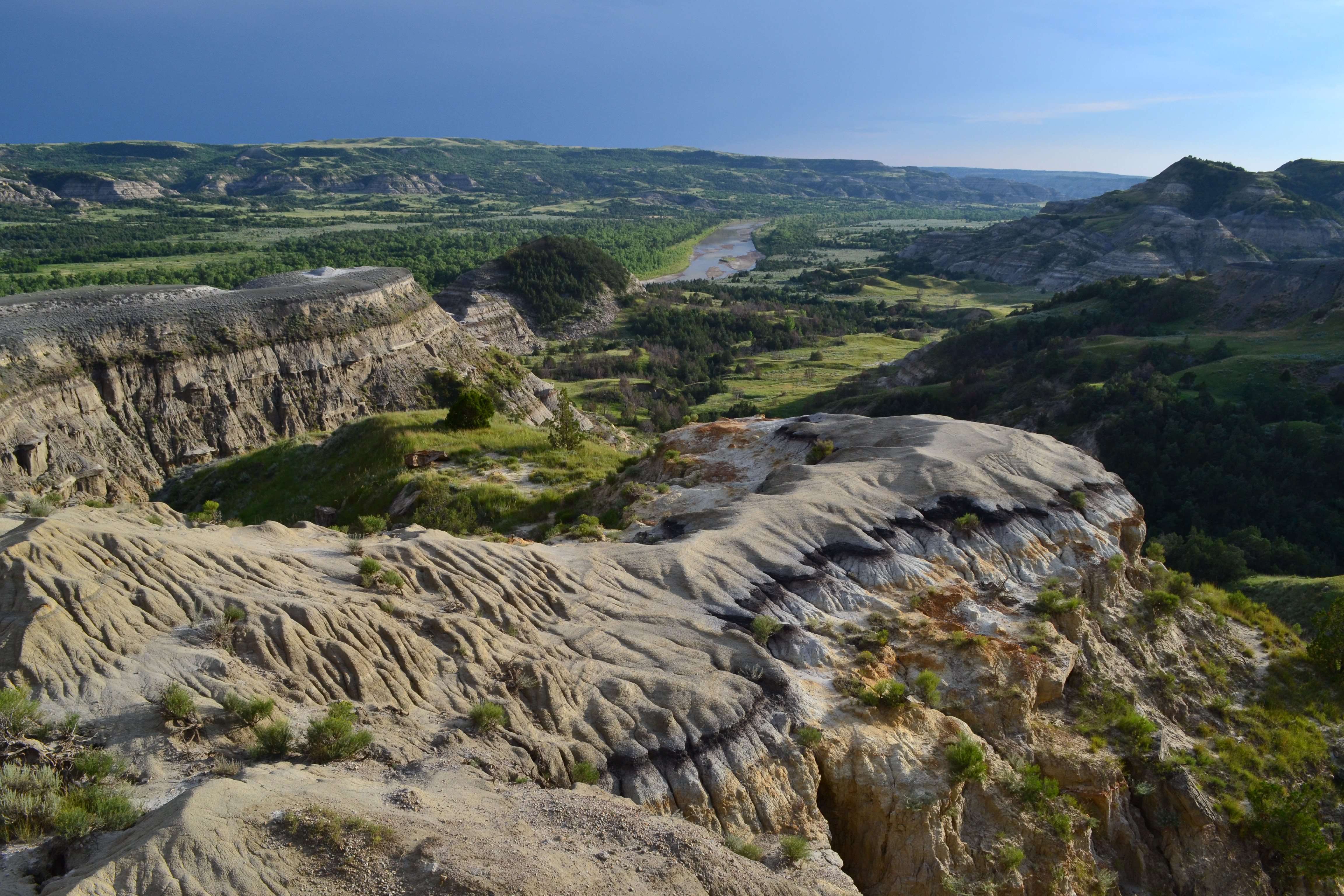
In the rugged badlands of western North Dakota, Theodore Roosevelt National Park preserves the landscape that transformed a grieving young politician into one of America's greatest conservation presidents. This 70,000-acre park protects painted canyons, wind-sculpted buttes, and the largest remaining tract of mixed-grass prairie in the United States, along with the wildlife that Roosevelt himself helped save from extinction.
The park's three distinct units—South, North, and Elkhorn Ranch—each offer unique perspectives on the badlands ecosystem and Roosevelt's legacy. From vast bison herds roaming beneath colorful striped cliffs to the haunting solitude of Roosevelt's former ranch site, this park provides an intimate connection to both natural and American history.
Edmund Morris's Pulitzer Prize-winning biography explores Roosevelt's formative years in the Dakota badlands.
We may earn a commission from purchases made through links on this page. See our disclosure.
Understanding the Park's Layout
Theodore Roosevelt National Park consists of three geographically separated units, requiring careful planning to visit:
South Unit
- Location: Near Medora, ND (I-94, Exits 24 & 27)
- Size: Largest and most developed unit
- Features: 36-mile Scenic Loop Drive, most facilities
- Wildlife: Bison, feral horses, elk, prairie dogs
- Gateway: Historic town of Medora
North Unit
- Location: Near Watford City, ND (US Highway 85)
- Distance: 70 miles north of South Unit
- Character: More remote, dramatic vistas, fewer crowds
- Features: 14-mile scenic drive (28 miles round-trip)
- Note: Different time zone (Central Time)
Elkhorn Ranch Unit
- Location: Between North and South units
- Access: Remote, via unpaved roads
- Significance: Site of Roosevelt's "home ranch"
- Facilities: None—historical site only
- Requirements: High-clearance vehicle recommended
When to Visit
The badlands experience extreme weather variations:
Summer (June-August):
- Highs: 80-95°F
- Peak visitation
- All facilities open
- Violent thunderstorms possible
- Best for early morning/evening activities
Fall (September-October):
- Highs: 60-75°F
- Ideal hiking weather
- Fewer crowds
- Elk bugling season
- Golden cottonwood foliage
Winter (November-March):
- Highs: 20-40°F
- Snow and blizzards common
- Some roads may close temporarily
- Stark beauty, solitude
- Wildlife easier to spot
Spring (April-May):
- Highs: 50-70°F
- Wildflower blooms
- Unpredictable weather
- Prairie dog pups emerge
- Migratory birds return
The Roosevelt Story
Theodore Roosevelt first arrived in the Dakota Territory in 1883 as a 24-year-old New York assemblyman seeking adventure and bison hunting. Captivated by the frontier lifestyle, he invested in the Maltese Cross Ranch near Medora.
The following year brought devastating personal tragedy—both his wife Alice and mother died on the same day, February 14, 1884. Seeking solace, Roosevelt returned to Dakota, establishing the remote Elkhorn Ranch where he could grieve in solitude. He later wrote of this period: "The light in my life has gone out."
During his Dakota years (1883-1887), Roosevelt fully embraced the ranching life, even serving as deputy sheriff and pursuing boat thieves down the frozen Little Missouri River. The brutal winter of 1886-87, which killed over half his cattle, taught him harsh lessons about overgrazing and environmental limits that would shape his future conservation policies.
Roosevelt credited his badlands experience with making his presidency possible: "I never would have been President if it had not been for my experience in North Dakota." As president, he established the U.S. Forest Service, signed the Antiquities Act, and protected 230 million acres of public land.
Collect stamps from all national parks, including Theodore Roosevelt's three units.
We may earn a commission from purchases made through links on this page. See our disclosure.
Major Attractions
South Unit Highlights
Scenic Loop Drive (36 miles): The park's premier driving experience offers:
- Skyline Vista: Panoramic badlands views
- Boicourt Overlook: Prime bison viewing
- Prairie Dog Towns: Active colonies visible from road
- Buck Hill: 360-degree vistas
Essential Hikes:
- Wind Canyon Trail (0.4 miles): Easy walk to Little Missouri River overlook, perfect for sunset
- Coal Vein Trail (0.8 miles): Interpretive loop through area where underground coal burned
- Petrified Forest Loop (10.3 miles): Remote hike to concentrated petrified wood deposits
- Painted Canyon Trail (0.9 miles): Descends into colorful badlands from visitor center
Painted Canyon Visitor Center: Located at I-94 rest area, offers:
- Spectacular overlook
- Exhibits and bookstore
- Direct trail access
- Open seasonally (May-October)
North Unit Highlights
Scenic Drive (14 miles one-way): More dramatic than South Unit with:
- River Bend Overlook: Historic CCC shelter
- Oxbow Overlook: Spectacular terminus view
- Cannonball Concretions: Unique geological formations
- Longhorn Cattle: Demonstration herd
Premier Hikes:
- Caprock Coulee Trail (4.3 miles): Signature North Unit hike with badlands vistas
- Little Mo Nature Trail (0.7-1.4 miles): Riverside loop through cottonwoods
- Achenbach Trail (18 miles): Challenging backcountry loop with river crossings
Wildlife Viewing
Theodore Roosevelt National Park offers exceptional wildlife watching opportunities:
American Bison
- Both units maintain free-roaming herds
- Often visible from scenic drives
- Most active morning and evening
- Maintain 25-yard minimum distance
- Population: 200-400 in South Unit, 100-300 in North Unit
Wild Horses
- South Unit only
- Descended from domestic stock
- Often seen along Scenic Loop Drive
- Approximately 70-110 animals
- Multiple band structures
Other Wildlife
- Elk: South Unit only, most visible at dawn/dusk
- Prairie Dogs: Extensive towns in both units
- Bighorn Sheep: Reintroduced to North Unit
- Mule Deer: Common throughout
- Coyotes: Often heard at night
- Golden Eagles: Nest on cliff faces
- Wild Turkeys: Riparian areas
Safety Reminder: Use "rule of thumb"—if you can cover an animal with your thumb at arm's length, you're at safe distance.
Essential for wildlife viewing in the vast badlands landscapes.
We may earn a commission from purchases made through links on this page. See our disclosure.
Geology and Landscapes
The badlands reveal 60 million years of geological history in colorful, horizontal layers:
Rock Formations
- Bullion Creek Formation: Yellow and tan layers (South Unit)
- Sentinel Butte Formation: Gray and blue layers (both units)
- Lignite Coal Seams: Dark bands throughout
- Bentonite Clay: Light-colored volcanic ash layers
Unique Features
"Scoria" (Clinker): Red caprock formed when underground coal fires baked overlying sediments into brick-like material. This harder rock protects buttes from erosion.
Petrified Wood: Ancient sequoia relatives turned to stone, particularly abundant in Sentinel Butte Formation. Some specimens preserve growth rings.
Cannonball Concretions: Large spherical sandstone formations in North Unit, created by mineral cementation.
Erosion Rate: The badlands erode approximately one inch per year—the entire landscape will wash away in 500,000 years.
Camping and Lodging
In-Park Camping
Cottonwood Campground (South Unit):
- 76 sites total
- 50% reservable on Recreation.gov
- 50% first-come, first-served
- Water and flush toilets (seasonal)
- No hookups
- Fills daily in summer
Juniper Campground (North Unit):
- 50 sites
- All first-come, first-served
- More spacious and private
- Water and flush toilets (seasonal)
- Rarely fills
Backcountry Camping:
- Free permit required
- Available at visitor centers
- No designated sites
- Must camp out of sight of roads/trails
- Carry all water
Gateway Lodging
Medora (South Unit):
- Historic western town atmosphere
- Multiple hotels and motels
- Restaurants and shops
- Medora Musical (summer)
- Theodore Roosevelt Museum
Watford City (North Unit):
- Modern hotels and services
- Less touristy atmosphere
- Good restaurant selection
- 14 miles from park entrance
Hiking Essentials
Trail Conditions
- Bentonite clay extremely slippery when wet
- Steep slopes often unstable
- No shade on most trails
- Rattlesnakes present (especially near prairie dog towns)
- Biting flies in summer
Water and Safety
- Carry minimum 1 gallon per person per day
- No reliable water sources on trails
- Cell service non-existent
- Weather changes rapidly
- Lightning risk on exposed ridges
Best Hikes by Fitness Level
Easy:
- Wind Canyon Trail (0.4 mi)
- Buck Hill (0.2 mi)
- Skyline Vista (0.2 mi)
Moderate:
- Painted Canyon Nature Trail (0.9 mi)
- Jones Creek Trail (3.7 mi)
- Caprock Coulee Trail (4.3 mi)
Strenuous:
- Petrified Forest Loop (10.3 mi)
- Achenbach Trail (18 mi)
- Maah Daah Hey Trail segments
85oz reservoir perfect for long badlands hikes with no water sources.
We may earn a commission from purchases made through links on this page. See our disclosure.
Special Experiences
Elkhorn Ranch Visit
Roosevelt's beloved "home ranch" offers:
- Peaceful riverside setting
- Foundation stones remain
- Interpretive panels with Roosevelt quotes
- 0.7-mile walk from parking
- Check road conditions before attempting
- GPS coordinates essential
Night Sky Programs
- Exceptional dark skies
- Milky Way visible on clear nights
- Ranger-led astronomy programs (summer)
- Best viewing: new moon phases
- Bring red flashlight
Maah Daah Hey Trail
- 144-mile trail connecting all units
- Mountain biking allowed
- Connects to US Forest Service lands
- Backcountry camping opportunities
- Water sources limited
Practical Information
Entrance Fees
- Vehicle: $30 (7 days)
- Motorcycle: $25 (7 days)
- Individual: $15 (7 days)
- Annual Park Pass: $55
- America the Beautiful Pass: Accepted
Visitor Centers
South Unit Visitor Center (Medora):
- Open daily year-round
- Film, exhibits, bookstore
- Maltese Cross Cabin adjacent
North Unit Visitor Center:
- Open daily (reduced winter hours)
- Exhibits on wildlife and geology
- Backcountry permits
Painted Canyon Visitor Center:
- Seasonal (May-October)
- Interstate rest area location
- Spectacular overlook
Services
- Gas available in Medora and Watford City
- No gas in park
- Limited cell service in gateway towns
- No cell service in park
- Groceries in gateway towns
Photography Tips
Golden Hour Locations:
- Wind Canyon: Sunset
- Oxbow Overlook: Sunrise
- Buck Hill: 360° views anytime
- Painted Canyon: Morning light
Wildlife Photography:
- Early morning most active
- 400mm+ lens recommended
- Never approach for photos
- Prairie dog towns for guaranteed action
Landscape Features:
- Bentonite hills after rain
- Petrified wood details
- Clinker caprock patterns
- River bend compositions
Seasonal Highlights
Spring (April-May):
- Prairie wildflowers peak
- Migrating birds return
- Prairie dog pups emerge
- Weather highly variable
Summer (June-August):
- All facilities open
- Longest daylight hours
- Heat limits midday activities
- Thunderstorm photography
Fall (September-October):
- Cottonwood gold along river
- Elk bugling echoes
- Perfect hiking weather
- Northern lights possible
Winter (November-March):
- Snow emphasizes geology
- Wildlife concentrates in valleys
- Stark, beautiful landscapes
- Extreme cold preparation required
Planning Your Visit
Suggested Itineraries
One Day (South Unit Only):
- Morning: Painted Canyon overlook
- Drive Scenic Loop with stops
- Afternoon: Wind Canyon hike
- Visit Medora attractions
Two Days (Both Units):
- Day 1: South Unit scenic drive and hikes
- Day 2: North Unit exploration
- Evening: Medora Musical (summer)
Three Days (All Units):
- Days 1-2: As above
- Day 3: Elkhorn Ranch pilgrimage
- Extended hiking opportunities
Essential Gear
- Sturdy hiking boots
- Sun protection (hat, sunscreen, sunglasses)
- Abundant water capacity
- Binoculars for wildlife
- Layers for temperature swings
- First aid kit with blister treatment
Theodore Roosevelt National Park offers more than scenic badlands—it preserves the landscape that shaped a president and the conservation movement. Whether watching bison graze beneath striped buttes, hiking through petrified forests, or standing at Roosevelt's ranch site contemplating his transformation, visitors connect with both natural wonders and pivotal American history in this rugged corner of North Dakota.
Features all 63 national parks including Theodore Roosevelt's unique three-unit structure.
We may earn a commission from purchases made through links on this page. See our disclosure.
Real satellite imagery on NASA elevation — orbit the peaks at true scale.
Explore in 3D →What the park will quietly do to you.
Heat & Sun
SummerSummer highs can hit 100°F+ in many western parks. Carry 2 L of water per person minimum and avoid strenuous activity 10am–4pm.
Wildlife
Year-roundKeep 100 yards from bears and wolves, 25 from everything else. Never feed wildlife — it changes their behavior and ends with the animal euthanized.
Weather windows
SummerHigh-country thunderstorms build fast in summer afternoons. Plan to be off exposed ridges by noon, especially July–September.
Permits & timed entry
Plan aheadSeveral parks require timed-entry reservations or wilderness permits. Reserve weeks ahead via recreation.gov — same-day windows are limited.
Hero photo: NPS Photo / Mark Meyers