Virgin Islands National Park
Fast Facts
Virgin Islands National Park
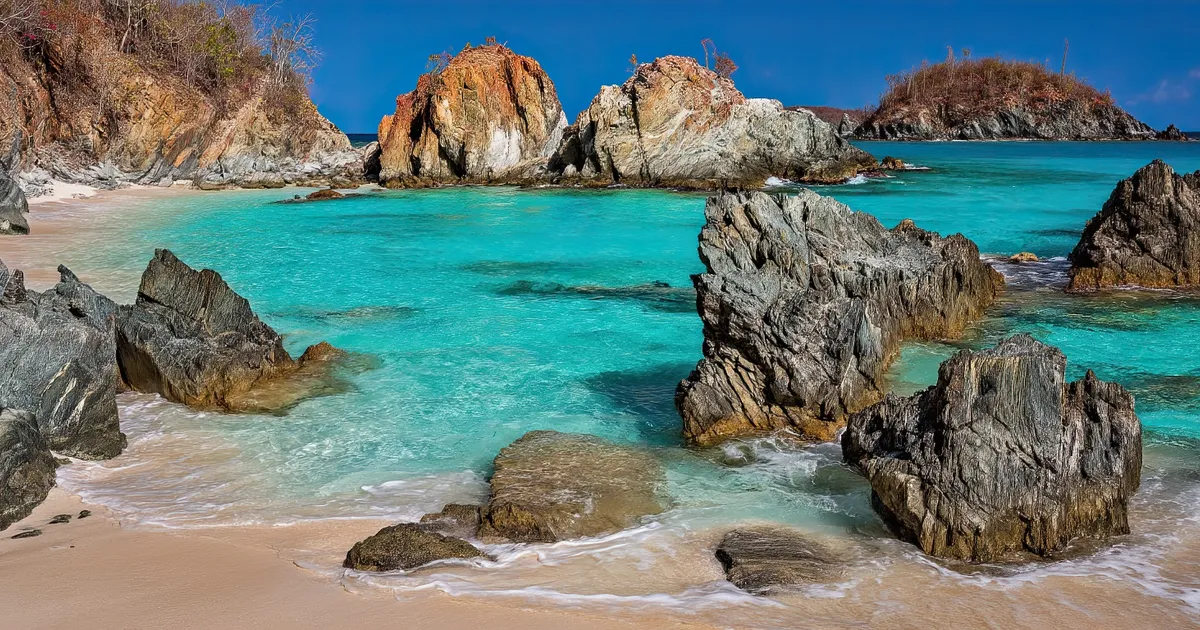
Virgin Islands National Park encompasses two-thirds of St. John island, where pristine turquoise waters meet white sand beaches and lush green hills rise dramatically from the Caribbean Sea. This tropical sanctuary preserves not only stunning natural beauty but also a complex human history spanning from ancient Taino settlements through Danish colonial sugar plantations to the painful legacy of enslaved Africans. Created through Laurance Rockefeller's donation of 5,000 acres in 1956, the park protects coral reefs, mangrove forests, and tropical vegetation while maintaining the island's undeveloped character—there are no traffic lights, no highways, and no high-rise hotels disturbing this Caribbean paradise.
The park experience is inherently different from mainland destinations, demanding a multi-step journey and careful logistics. With no airport on St. John, visitors must fly to St. Thomas, taxi to a ferry terminal, and take a boat to Cruz Bay—a process that sets the unhurried "island time" pace from the start. Once there, the park offers world-class snorkeling among vibrant coral reefs, hiking trails through sugar mill ruins and to petroglyphs, and encounters with sea turtles grazing in shallow seagrass beds. The year-round tropical climate averages 77-82°F, but the park's remote location, limited parking, and premium prices require strategic planning to fully enjoy this slice of preserved paradise where American convenience meets Caribbean tranquility.
Key Highlights
- Trunk Bay: World-famous beach with underwater snorkel trail
- Maho Bay: Prime sea turtle viewing in shallow waters
- Sugar Mill Ruins: Danish colonial history throughout park
- Reef Bay Trail: Strenuous hike to petroglyphs and remote beach
- Coral Reefs: Protected marine ecosystem for snorkeling/diving
- No Park Entrance Fee: Only Trunk Bay charges amenity fee
- Cinnamon Bay Campground: Only in-park accommodation
- Salt Pond Bay: Less crowded southern shore gem
Getting There
Reaching Virgin Islands National Park requires a multi-leg journey that introduces visitors to island logistics from the start.
Step 1: Fly to St. Thomas
- No airport on St. John
- Cyril E. King Airport (STT)
- Direct flights from major US cities
- No passport needed for US citizens
- Eastern/Atlantic time zone
Step 2: Taxi to Ferry Terminal
Red Hook Terminal (Recommended)
- 30-45 minute taxi from airport
- $15-20 per person (shared van)
- $75+ for private taxi
- More frequent ferry service
Charlotte Amalie Terminal
- 10-minute taxi from airport
- Closer but less convenient
- Longer, less frequent ferry
- Not recommended for most visitors
Step 3: Ferry to St. John
From Red Hook
- 20-minute crossing
- Hourly service (generally)
- $8.15 per person each way
- $4 per large bag
- Last ferry around 11 PM
Arrival at Cruz Bay
- Main town and hub
- Visitor center location
- Safari taxi stand
- Most services concentrated here
Alternative Routes
Private Water Taxi
- Direct from St. Thomas
- $75-100+ per person
- Faster, more flexible
- Good for groups
Ferry from British Virgin Islands
- Requires passport
- From Tortola or Virgin Gorda
- Less common approach
Best Time to Visit
The Caribbean climate offers year-round warmth, but seasonal variations in weather, crowds, and prices are significant.
Peak Season: December-April
Dry Season Benefits
- Most reliable sunshine
- Low 80s°F temperatures
- Minimal rain
- Calm seas generally
- All businesses open
Challenges
- Highest prices (double+ off-season)
- Maximum crowds
- Parking lots full by 9 AM
- Accommodations book months ahead
- "Christmas winds" can create rough seas
Shoulder Season: May-July, November
Sweet Spot Benefits
- Good weather continues
- Prices begin dropping
- Fewer crowds
- Better parking availability
- Local festivals
Considerations
- Increased rain chance
- Some businesses reduce hours
- Hurricane season begins
Low Season: August-October
Budget Traveler's Window
- Lowest prices (50% off peak)
- Empty beaches
- Authentic local experience
- Easy parking
Significant Risks
- Peak hurricane season
- Many restaurants/shops close
- Frequent rain showers
- Rough seas possible
- Travel insurance essential
Cruise Ship Impact
- Check St. Thomas port schedule
- 3-6 ships can dock daily
- Passengers flood popular beaches
- Plan accordingly for crowds
Activities and Adventures
The park seamlessly blends terrestrial and marine environments, offering diverse experiences from beach relaxation to strenuous hiking.
Beach Experiences
North Shore Beaches (Most Popular)
Trunk Bay
- Most famous beach
- Underwater snorkel trail with signs
- $5 amenity fee (16+ years)
- Facilities: restrooms, showers, snack bar
- Parking fills by 9 AM peak season
Cinnamon Bay
- Longest beach (half-mile)
- Campground access
- Water sports rentals
- Nature trail to ruins
- Less crowded than Trunk
Maho Bay
- Best for sea turtle viewing
- Shallow, calm waters
- Seagrass beds offshore
- No facilities
- Limited parking
Hawksnest Bay
- Closest to Cruz Bay
- Good snorkeling
- Popular with locals
- No facilities
- Small parking area
South Shore Beaches (Less Crowded)
Salt Pond Bay
- More secluded location
- Excellent snorkeling
- Short hike required
- Tide pools to explore
- Ram Head Trail access
Lameshur Bay
- Remote, quiet beaches
- Rough road access
- Great snorkeling
- No facilities
- Adventure seekers' choice
Hiking Trails
Easy Trails
- Cinnamon Bay Nature Loop: 0.5 miles through ruins
- Lind Point Trail: Cruz Bay to Honeymoon Beach
- Francis Bay Trail: Boardwalk to salt pond
Moderate Trails
- Ram Head Trail: 1 mile to dramatic cliffside views
- Caneel Hill Spur: Overlooks from Cruz Bay
- Petroglyph Trail: Short but steep to rock carvings
Strenuous Trails
- Reef Bay Trail: 2.2 miles down (steep return)
- Bordeaux Mountain Trail: Highest peak on island
- L'Esperance Trail: Connects Reef Bay to Salt Pond
Water Activities
Snorkeling
- Bring your own gear recommended
- Rentals at Trunk Bay/Cinnamon Bay
- Best spots: Waterlemon Cay, Haulover Bay
- Sea turtle encounters common
- Coral reef protection mandatory
Kayaking
- Rentals at various beaches
- Guided eco-tours available
- Access remote snorkel spots
- Mangrove exploration
Sailing/Boating
- Day sail excursions
- Sunset cruises
- Private charters
- BVI day trips (passport required)
SCUBA Diving
- World-class dive sites
- Wall dives and wrecks
- Dive shops in Cruz Bay
- Night diving available
Wildlife and Natural Features
The park protects diverse ecosystems from mountain peaks to coral reefs, supporting abundant wildlife.
Marine Life
Sea Turtles
- Green turtles most common
- Hawksbill also present
- Grazing in seagrass beds
- Maintain respectful distance
- Never touch or chase
Coral Reefs
- Brain coral
- Elkhorn coral (endangered)
- Staghorn coral (endangered)
- Sea fans
- Colorful sponges
Fish Species
- Parrotfish
- Blue tangs
- Sergeant majors
- Trumpetfish
- Spotted eagle rays
Land Animals
Wild Donkeys
- Descendants of plantation animals
- Roam freely on roads
- Friendly but don't feed
- Traffic hazard at night
Other Wildlife
- Iguanas
- Hermit crabs
- Mongoose
- Bats (only native mammal)
- 144 bird species
Dangerous Species
Marine Hazards
- Sea urchins (painful spines)
- Fire coral (stinging)
- Jellyfish (seasonal)
- Barracuda (rarely aggressive)
Land Hazards
- Manchineel trees (extremely toxic)
- Christmas bush (causes rash)
- Centipedes
- No venomous snakes
Lodging and Camping
Accommodations on St. John range from beachfront camping to luxury villas, with limited options requiring advance planning.
Cinnamon Bay Campground
Only In-Park Lodging
- Bare sites: $50/night (bring tent)
- Eco-tents: Pre-equipped canvas tents
- Cottages: Solid structures with amenities
- Beach access included
- Eliminates parking stress
Facilities
- Shared bathrooms/showers
- Rain Tree Café restaurant
- General store
- Water sports rentals
- Beach bar
Reservations
- Book months ahead
- CinnamonBayVI.com
- High season fills completely
- Best budget option
Cruz Bay Area
Advantages
- Walking distance to ferries
- Most restaurants/shops
- Safari taxi hub
- Nightlife options
Lodging Types
- Small hotels/inns
- Vacation rentals
- B&Bs
- Westin Resort nearby
Coral Bay Area
Character
- Quieter, local vibe
- Remote eastern location
- Fewer amenities
- More driving required
Options
- Private villas
- Vacation rentals
- Guesthouses
- Estate properties
Villa Rentals
Popular Choice
- Full kitchens
- Private pools common
- Better for groups
- $300-1000+ per night
- Book 6+ months ahead peak season
Dining and Provisions
Food costs on St. John can shock first-time visitors, making strategic planning essential for budget management.
In-Park Dining
Limited Options
- Cinnamon Bay: Rain Tree Café, beach bar
- Trunk Bay: Snack bar
- No other park facilities
Cruz Bay Restaurants
Range of Options
- High-end waterfront dining
- Casual beach bars
- Food trucks
- Happy hour specials crucial
- Average entrée: $25-40
Popular Spots
- The Longboard: Coastal cuisine
- Extra Virgin Bistro: Mediterranean
- Joe's Rum Hut: Casual favorite
Coral Bay Dining
Local Favorites
- Skinny Legs: Burger institution
- Aqua Bistro: Upscale option
- Miss Lucy's: Sunday brunch
Unique Experiences
Lime Out
- Floating taco bar
- Swim or boat access only
- Lime Bay location
- Reservation required
Pizza Pi
- Pizza boat in Christmas Cove
- Swim up for service
- Cash only
- Weather dependent
Grocery Shopping
Sticker Shock Reality
- Prices 2-3x mainland
- $10 for chips/bacon common
- Limited selection
- Shop flexibly
Strategies
- Pack non-perishables from home
- Starfish Market (largest)
- Dolphin Market (Cruz Bay)
- Roadside stands for produce
Essential Information
Park Fees
- No general entrance fee
- Trunk Bay only: $5/person (16+)
- Mooring fees: $26/night (boats)
- America the Beautiful Pass NOT valid for Trunk Bay
Transportation on St. John
Driving Challenges
- Drive on LEFT side
- Left-hand drive vehicles
- Steep, narrow roads
- Blind curves common
- Parking extremely limited
Safari Taxis
- Open-air trucks
- $8-10 per person/route
- Cash only usually
- Shared rides
- No meters
Rental Cars
- 4WD recommended
- $125+/day typical
- Book far ahead
- Gas stations limited
- International license not needed
Safety Warnings
Ocean Safety
- Reef-safe sunscreen REQUIRED by law
- No oxybenzone/octinoxate/octocrylene
- Never stand on coral
- Watch for sea urchins
- Heed beach warning flags
Plant Hazards
- Manchineel tree extremely poisonous
- Don't shelter under beach trees
- Christmas bush causes severe rash
- Stay on marked trails
Crime Prevention
- Lock vehicles
- Don't leave valuables on beach
- Use hotel safes
- Well-lit areas at night
Money Matters
Cash Essential
- Many places cash-only
- Safari taxis need cash
- ATMs limited/unreliable
- Bring sufficient bills
Tipping Culture
- 18-20% standard
- Often added automatically
- Check bills carefully
- Tip safari drivers
Communication
- Cell service spotty
- Worse at beaches/trails
- Download offline maps
- WhatsApp widely used
- Internet can be slow
What to Bring
Beach Essentials
- Reef-safe sunscreen
- Multiple swimsuits
- Snorkel gear
- Water shoes
- Dry bag
Clothing
- Lightweight, breathable
- "Island fancy" for dinner
- Cover-ups required in town
- Rain jacket
- Sun protection clothing
Practical Items
- Reusable water bottle
- Insect repellent
- First aid kit
- Flashlight
- Cash in small bills
Regulations
Marine Protection
- No touching coral/wildlife
- Fishing heavily restricted
- Spearfishing prohibited
- Anchoring regulations strict
Park Rules
- Drones prohibited
- No removing anything
- Camping only at Cinnamon Bay
- Quiet hours enforced
- Fires prohibited
Virgin Islands National Park offers an extraordinary Caribbean escape where American accessibility meets pristine tropical beauty. The multi-step journey and island logistics become part of the adventure, setting a relaxed pace that allows full appreciation of turquoise waters, powder-soft beaches, and encounters with graceful sea turtles. While the premium prices and limited facilities demand careful planning and budget consideration, the rewards include snorkeling among vibrant coral reefs, hiking to ancient petroglyphs, and experiencing a landscape where two-thirds of an entire island remains protected from development. Embrace "island time," pack reef-safe sunscreen and plenty of cash, and prepare for a Caribbean paradise that balances natural splendor with fascinating cultural history.
Park Overview
Detailed overview of the park's history, geography, and main attractions will go here. This section provides essential background information for visitors.
Top Hikes
- Iconic Summit TrailDifficulty: Strenuous • Distance: 8 miles round trip
Loading reviews…
- Waterfall LoopDifficulty: Moderate • Distance: 3 miles loop
Loading reviews…
- Lakeside WalkDifficulty: Easy • Distance: 1.5 miles out & back
Loading reviews…
Recommended Hiking Gear
Gear up for your adventure with our trusted partners. These items help support the site at no extra cost to you!

Places to Stay
- Historic Park LodgeBook early!Type: Lodge
Loading reviews…
- Riverside CampgroundReservations required.Type: Campground
Loading reviews…
- Gateway Town Hotel15 miles from entrance.Type: Nearby Hotel
Loading reviews…