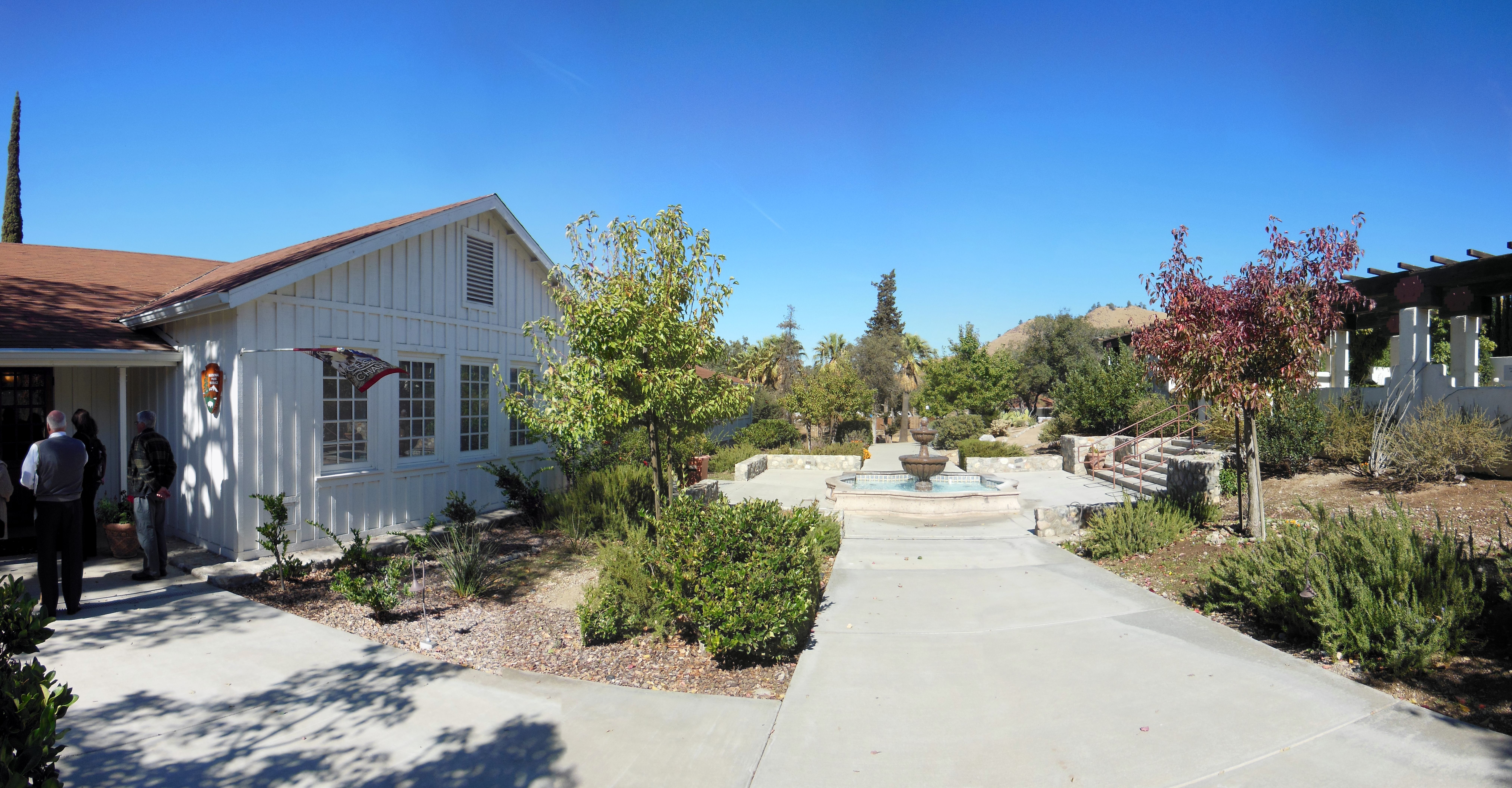
Manzanar National Historic Site
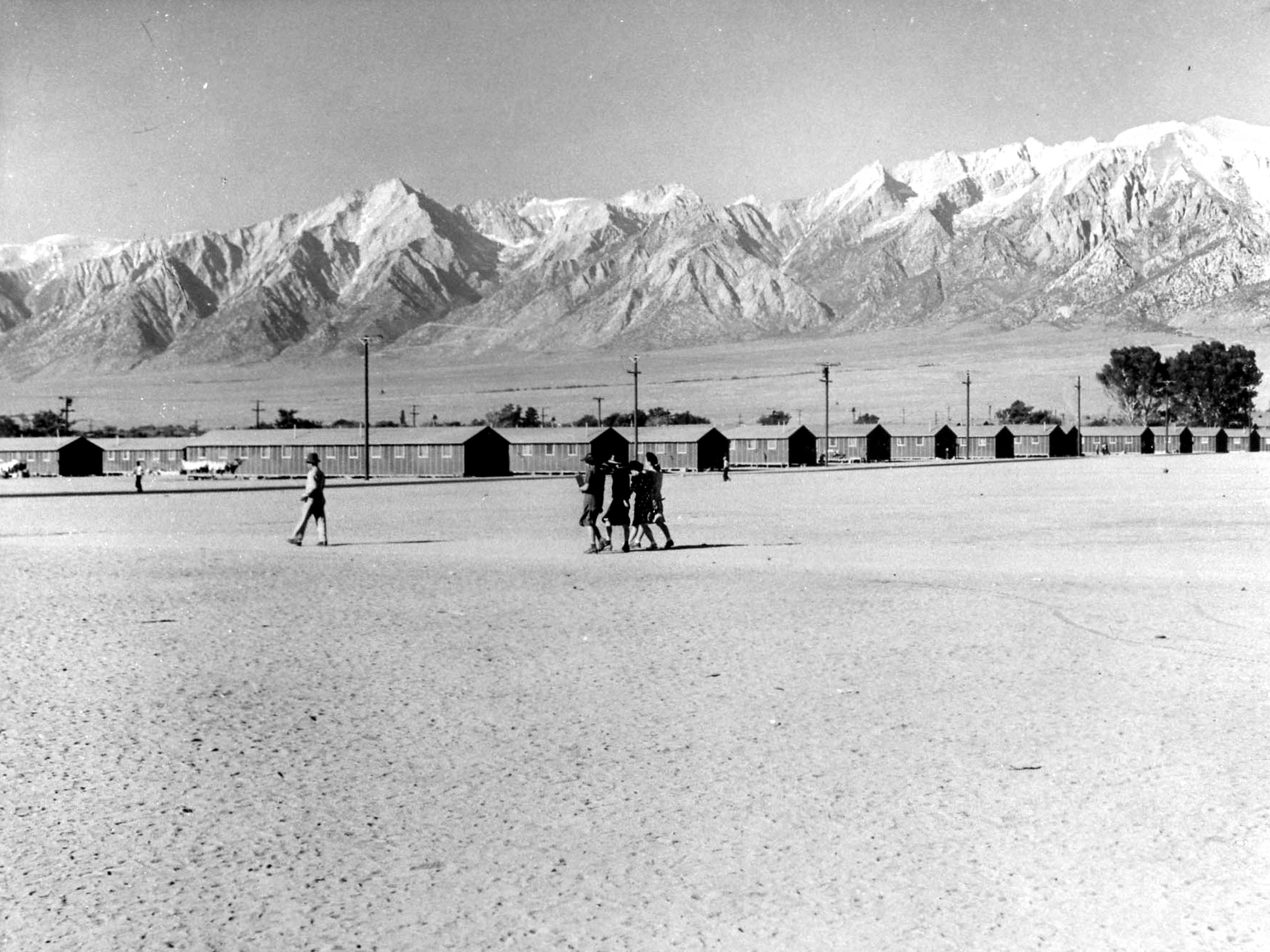
Manzanar National Historic Site, located in California, is a historical park — the designation used when cultural landscapes and structures need protection as well as interpretation. In 1942, the United States government ordered more than 110,000 men, women, and children to leave their homes and detained them in remote, military-style camps. Manzanar War Relocation Center was one of ten camps where the US government incarcerated Japanese immigrants ineligible for citizenship and Japanese American citizens during World War II.
A full day at Manzanar National Historic Site sounds like a lot until you actually walk the grounds. The scale tends to absorb time once you commit to it.
Managed as a historical park, Manzanar National Historic Site pulls together structures, grounds, and interpretation into a single visitor experience that benefits from an unhurried approach.
Key Highlights
- Architecture and Building
- Arts
- Painting
- Photography
- Asian American Heritage
- Burial, Cemetery and Gravesite
- Colonization and Settlement
Getting There
Reaching Manzanar National Historic Site is straightforward once you know the route. Manzanar is located on the west side of U.S. Highway 395, 9 miles north of Lone Pine, California and 6 miles south of Independence, CA.
By Car
Most visitors arrive by private vehicle or rental car. Road conditions vary with weather and construction, so check the park's alerts page the day before you travel. Pay attention to GPS directions in rural stretches—some apps route drivers onto unmaintained service roads rather than the signed park entrance.
Nearest Airports
Regional airports provide the most convenient access for long-distance travelers. For the most current airline service and driving distances, cross-reference flight options with the park's contact page. Budget extra drive time from any airport, especially if you arrive after dark or during winter weather.
Public Transit and Tours
Direct public transit is limited at most National Park Service sites, but guided day tours and shuttles sometimes operate from nearby cities during peak season. Rideshare options are often reliable in gateway towns but may drop off outside the park boundary rather than at specific trailheads or visitor centers.
For turn-by-turn directions and current road status, consult the park's official directions page: http://home.nps.gov/manz/planyourvisit/directions.htm.
Best Time to Visit
Weather shapes every visit. Manzanar is located in the Owens Valley at 4,000' elevation, at the eastern base of the Sierra Nevada. We get little precipitation but we do have four distinct seasons. Summer temperatures can soar over 100 degrees. Winter highs are usually in the 40's. Nighttime temperatures year round are 30 to 40 degrees less than daytime highs. High winds are common in any season.
Spring (March – May)
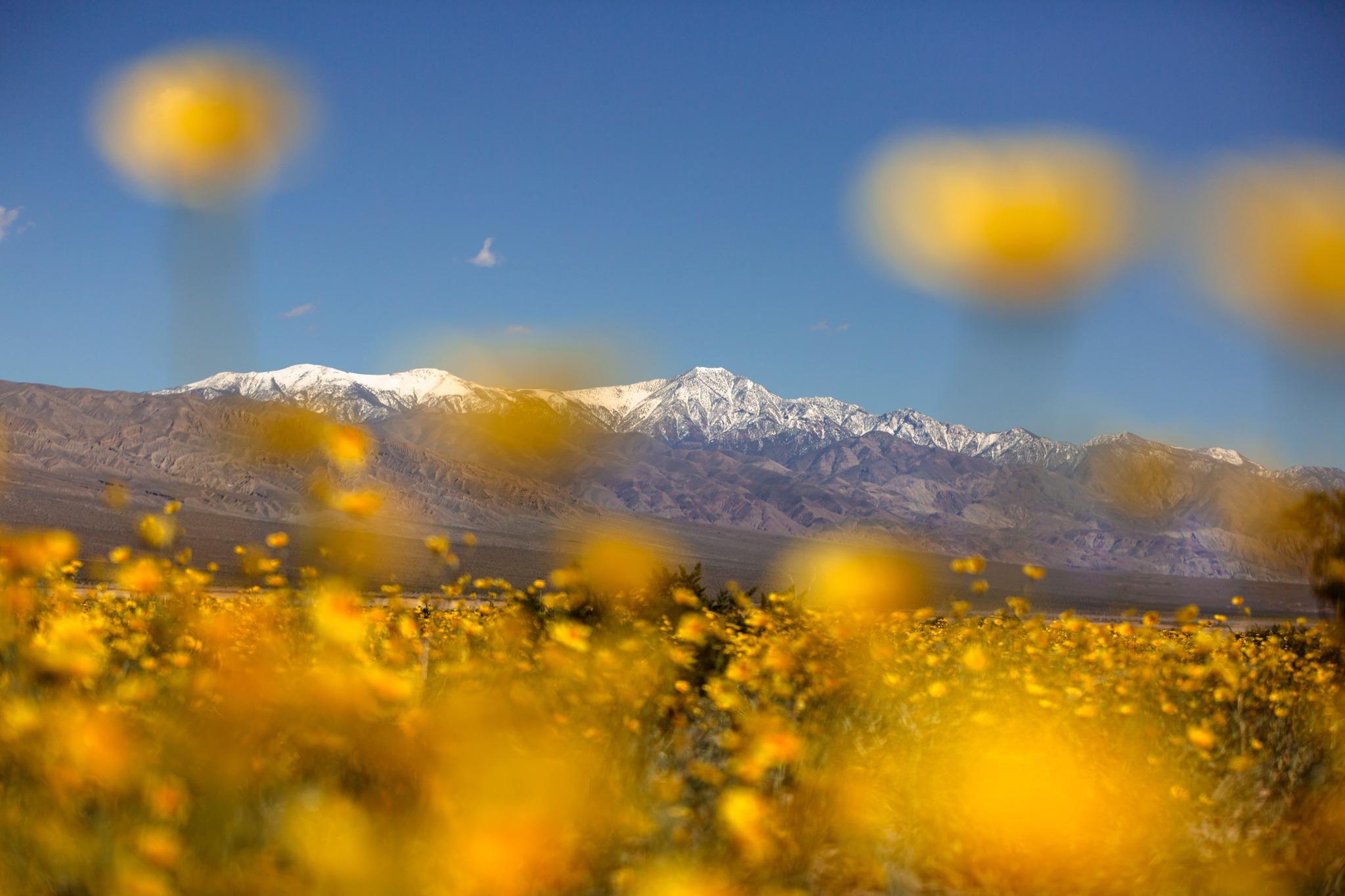
Spring is a pleasant time for walking tours of historic grounds, with cool temperatures and blooming trees softening the landscape around preserved structures.
Summer (June – August)
Summer is the busiest season, with the fullest slate of ranger programs, living-history demonstrations, and extended visitor center hours.
Fall (September – November)
Fall offers comfortable weather and thinner crowds, a good combination for photographing historic buildings and taking unhurried ranger-led tours.
Winter (December – February)
Winter is the quietest season. Some outbuildings or secondary sites may be closed, but the core experience is often available with a more reflective atmosphere.
Activities and Adventures
Activities at Manzanar National Historic Site reflect the character of the site. The options below are drawn from the park's current published list—confirm availability and any required reservations before planning around a specific activity.
- Biking — confirm which roads and paths allow bikes and whether rentals are available in the gateway community.
- Road Biking — confirm which roads and paths allow bikes and whether rentals are available in the gateway community.
- Food — ask at the visitor center for current conditions, reservations, and any required permits.
- Picnicking — ask at the visitor center for current conditions, reservations, and any required permits.
- Guided Tours — schedules rotate seasonally; check the visitor center board on arrival for the current lineup.
- Self-Guided Tours - Walking — schedules rotate seasonally; check the visitor center board on arrival for the current lineup.
- Self-Guided Tours - Auto — schedules rotate seasonally; check the visitor center board on arrival for the current lineup.
- Bus/Shuttle Guided Tour — schedules rotate seasonally; check the visitor center board on arrival for the current lineup.
- Junior Ranger Program — schedules rotate seasonally; check the visitor center board on arrival for the current lineup.
- Wildlife Watching — dawn and dusk are the most productive viewing windows; bring binoculars and maintain a respectful distance.
- Birdwatching — dawn and dusk are the most productive viewing windows; bring binoculars and maintain a respectful distance.
- Park Film — ask at the visitor center for current conditions, reservations, and any required permits.
- Museum Exhibits — the visitor center is the best first stop for context, maps, and current program information.
- Shopping — ask at the visitor center for current conditions, reservations, and any required permits.
- Bookstore and Park Store — ask at the visitor center for current conditions, reservations, and any required permits.
Ranger-led programs are often the highest-value activity for first-time visitors, combining interpretation with access you might miss on your own. Check program schedules at the visitor center on arrival.
History and What to See
Manzanar National Historic Site is primarily a site of historical and cultural significance. Beyond the headline landmarks, the park preserves smaller details—inscriptions, outbuildings, period plantings, wayside exhibits—that repay an unhurried visit.
Featured interpretive themes include Architecture and Building, Arts, Painting, Photography, Asian American Heritage, Burial, Cemetery and Gravesite.
Interpretation and Programs
Ranger talks, living-history demonstrations, and self-guided audio tours bring the story to life. If your schedule allows, time your visit to catch at least one ranger-led program; the added context transforms what you see on the grounds.
Preserved Structures and Landscape
The National Park Service preserves the physical setting as faithfully as possible. Walking the grounds gives you a sense of scale—distances, sightlines, elevation—that is hard to appreciate from photos alone.
Research and Archives
Many historic sites maintain libraries, archives, or partnered research centers. If you have a specific interest, contact the park in advance; staff can often point you toward documents, oral histories, or special collections.
Lodging and Camping
Lodging strategy depends on how long you plan to stay at Manzanar National Historic Site and what you want to do when you are not at the park.
On-Site Stays
Overnight accommodations inside the park's boundary are limited or not offered here. Most visitors stay in nearby towns and commute in each day.
Gateway Towns and Nearby Lodging
Communities close to the park offer a mix of chain hotels, independent inns, vacation rentals, and—depending on location—bed-and-breakfasts. Several California towns serve as convenient bases, with restaurants, fuel, and grocery resupply. Book well ahead for summer weekends and major holidays.
Operating Hours and Seasons
Site Grounds: The driving tour and grounds remain open daily from sunrise to sunset. Visitor center hours are more limited. See visitor center hours section for more information. The Block 14 building exhibits are open 9:00 am - 4:15 pm daily, except for Christmas Day when they are closed.
Essential Information
Fees and Passes
No standard entrance fee is charged. Some special programs or partner-run facilities within the park may carry their own fees, so confirm before booking anything ticketed.
Contact
- Phone: (760) 878-2194
- Email: manz_information_request@nps.gov
- Official site: https://www.nps.gov/manz/index.htm
Safety
Carry water, sun protection, and layered clothing appropriate for the season. Cell coverage can be spotty in parts of the park—download offline maps before you leave your lodging. In an emergency, dial 911 or contact the nearest ranger station.
Services and Accessibility
Main visitor centers typically offer accessible restrooms, interpretive exhibits, bookstore sales, and ranger assistance. Accessibility varies by building and trail; contact the park ahead of time to discuss specific needs. Pets are often allowed on leash in designated areas only—check current rules before bringing animals.
Regulations to Know
Drones are prohibited in nearly all National Park Service units without a special permit. Metal detecting, collection of natural or cultural objects, and off-trail travel in sensitive areas are also commonly restricted. Read the signs at each trailhead and ask a ranger if you are unsure.
At Manzanar National Historic Site, the past has a way of feeling unusually close. Walking the grounds is how that happens.
Real satellite imagery on NASA elevation — orbit the peaks at true scale.
Explore in 3D →What the park will quietly do to you.
Heat & Sun
SummerSummer highs can hit 100°F+ in many western parks. Carry 2 L of water per person minimum and avoid strenuous activity 10am–4pm.
Wildlife
Year-roundKeep 100 yards from bears and wolves, 25 from everything else. Never feed wildlife — it changes their behavior and ends with the animal euthanized.
Weather windows
SummerHigh-country thunderstorms build fast in summer afternoons. Plan to be off exposed ridges by noon, especially July–September.
Permits & timed entry
Plan aheadSeveral parks require timed-entry reservations or wilderness permits. Reserve weeks ahead via recreation.gov — same-day windows are limited.
Hero photo: Dorothea Lange