Rocky Mountain National Park
Fast Facts
Rocky Mountain National Park: Colorado's Altitude Death Zone
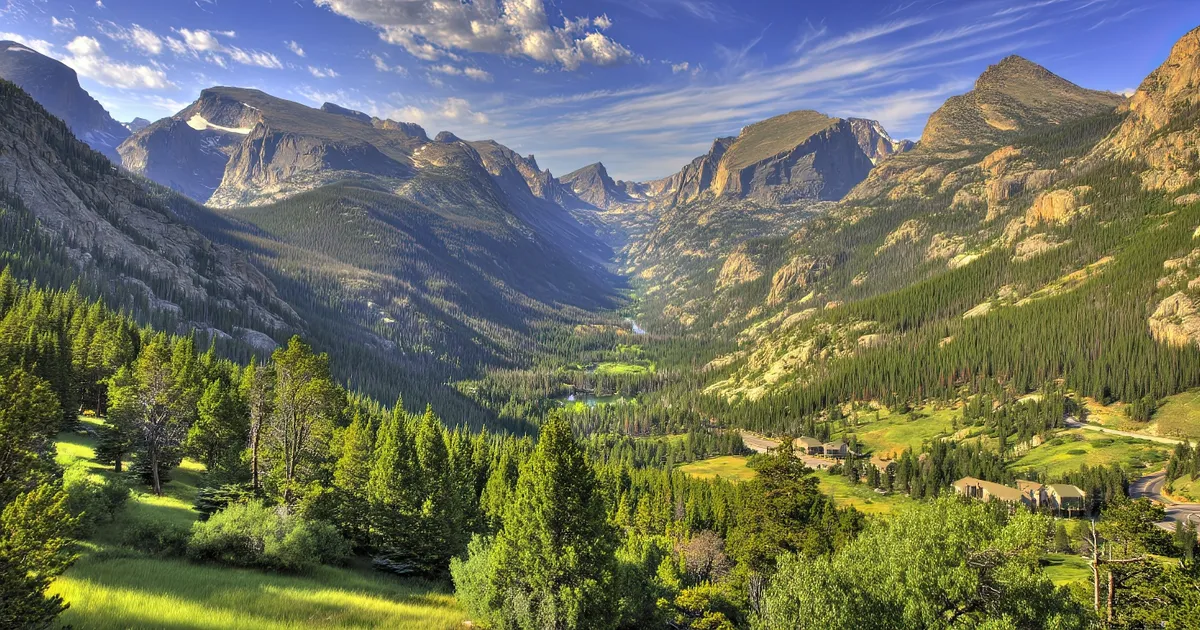
Towering above 14,000 feet where oxygen levels drop to 60% of sea level, Rocky Mountain National Park challenges visitors with North America's deadliest combination of altitude sickness, lightning strikes, and hypothermia. With 4.15 million annual visitors traversing the Continental Divide via the highest continuous paved road in America, this Colorado wilderness claims lives yearly from preventable altitude-related emergencies. The park's 415 square miles span from 7,800 to 14,259 feet, creating multiple climate zones where summer can turn to winter in minutes, and afternoon lightning strikes kill more hikers than any wildlife encounter.
Essential Information at a Glance
- Size: 265,807 acres across Colorado's Front Range
- Established: January 26, 1915
- Annual Visitors: 4,154,849 (2023) - #5 most visited national park
- Elevation Range: 7,800 feet (Beaver Meadows) to 14,259 feet (Longs Peak)
- Entry Fee: $30 per vehicle (1 day), $35 (7 days), $15 individual
- Timed Entry: Required May-October ($2 reservation fee)
- Key Danger: Altitude sickness, lightning strikes above treeline
Survival Essentials: High-Altitude Preparedness
The Altitude Equation: Every 1,000 Feet = 3% Less Oxygen
At Trail Ridge Road's 12,183-foot summit, you're breathing 40% less oxygen than at sea level. This invisible killer causes more evacuations than all other emergencies combined. Altitude sickness can strike anyone, regardless of fitness level.
Recommended gear: high-altitude-survival
We may earn a commission from purchases made through links on this page.
Alpine Survival Kit
Altitude Sickness Prevention
- Pulse oximeter to monitor oxygen saturation
- Diamox (acetazolamide) prescription for prevention
- Minimum 1 gallon water per person daily
- Electrolyte supplements (altitude increases dehydration)
- Emergency oxygen canister (sold in Estes Park)
Lightning Protection Gear
- NOAA weather radio with alerts
- Non-conductive trekking poles (carbon fiber)
- Lightning position ground pad
- Emergency whistle (metal-free)
- GPS device with storm tracking
Hypothermia Prevention
- 4-season layering system (can snow any month)
- Waterproof/breathable shell jacket and pants
- Insulated gloves and hat (wind chill can reach -40°F)
- Emergency bivy sack
- Chemical heat packs
Park Overview: Three Life Zones, Three Ways to Die
Montane Zone (7,800-9,500 feet): Gateway to Danger
Lower elevations around Estes Park and Grand Lake entrances. Ponderosa pine forests, meadows where elk congregate. Primary risks: wildlife encounters, sudden weather changes.
Subalpine Zone (9,500-11,500 feet): The Transition Trap
Dense spruce-fir forests, most popular trails and lakes. Altitude effects intensify, afternoon thunderstorms build. Contains Bear Lake corridor—most congested and accident-prone area.
Alpine Tundra (11,500+ feet): The Death Zone
Above treeline, 1/3 of park area. Arctic conditions, hurricane-force winds, lightning exposure. Summer temperatures rarely exceed 60°F, can drop to freezing within minutes.
Trail Ridge Road: America's Highway to Hypoxia
Highest continuous paved road in USA, reaching 12,183 feet. Open late May-October (weather dependent). Visitors experience 40% oxygen reduction, frequent altitude sickness, vehicle breakdowns from thin air affecting engines.
Getting There & Altitude Acclimatization
Eastern Access (Most Popular)
Via Estes Park: US-34 or US-36 from Denver/Boulder
- From Denver: 67 miles (1.5 hours) gaining 8,700 feet elevation
- Critical: Stop in Estes Park (7,522 feet) for acclimatization
- Parking Crisis: Bear Lake Road fills by 5 AM in summer
Western Access (Less Crowded)
Via Grand Lake: US-34 from I-70
- From Denver: 100 miles (2 hours) via Berthoud Pass
- Advantage: Gradual elevation gain, fewer crowds
- Winter Access: Only entry when Trail Ridge Road closed
Timed Entry System (May-October)
- Bear Lake Corridor: 5 AM - 6 PM reservation required
- Rest of Park: 9 AM - 2 PM reservation required
- Cost: $2 per vehicle reservation (non-refundable)
- Book: Recreation.gov opens 30 days prior
When to Visit: Seasonal Survival Analysis
Summer (June-August): Lightning Season
Weather: Daily afternoon thunderstorms, 40-70°F temperature swings Elevation Effects: Maximum visitor altitude sickness cases Dangers: Lightning strikes above treeline, hypothermia from wet conditions Survival Rules:
- Start all hikes before 5 AM
- Below treeline by noon (thunderstorms build 1-2 PM)
- Monitor weather constantly
- Carry full rain gear always
Fall (September-October): Elk Rut Danger
Weather: Unpredictable, snow possible any day Wildlife: Bull elk extremely aggressive during mating season Temperatures: 20-60°F with severe wind chill Critical Safety:
- Maintain 75+ feet from elk (3 bus lengths)
- Aspen viewing creates traffic hazards
- Early winter storms can trap visitors
- Hypothermia risk increases dramatically
Winter (November-April): Arctic Conditions
Access: Trail Ridge Road CLOSED, west side only Temperatures: -20°F to 40°F, wind chill below -50°F Dangers: Avalanche risk, whiteout conditions, frostbite Required Gear:
- Avalanche beacon for backcountry
- Full winter mountaineering equipment
- Emergency overnight survival kit
- 4WD/chains mandatory
Spring (May-June): Deceptive Danger
Weather: Extreme variability, heavy snow possible Trail Conditions: High avalanche risk, postholing in deep snow Wildlife: Bears emerging, protective elk with calves Access: Trail Ridge Road opens late May (weather dependent)
Trail Guide: 44 Rocky Mountain Adventures
Altitude Acclimatization Hikes (Under 9,000 feet)
Lily Lake Loop
- Distance: 0.8 miles round trip
- Elevation: 8,927 feet (minimal gain)
- Features: Wheelchair accessible, mountain views
- Strategy: Perfect first-day acclimatization walk
Alluvial Fan Trail
- Distance: 0.8 miles round trip
- Features: 1982 flood devastation site
- Warning: Flash flood risk during storms
- Educational: Shows power of mountain flooding
Popular But Dangerous (9,000-11,000 feet)
Bear Lake to Emerald Lake
- Distance: 3.6 miles round trip
- Elevation Gain: 650 feet to 10,080 feet
- Crowds: Extremely heavy, parking nightmare
- Dangers: Altitude effects begin, icy conditions persist into June
Alberta Falls
- Distance: 1.6 miles round trip
- Elevation: Starts at 9,240 feet
- Risk: Slippery rocks near falls, afternoon lightning
- Crowding: Major bottleneck on narrow trail
Mills Lake
- Distance: 5.6 miles round trip
- Elevation Gain: 750 feet
- Lightning Risk: Exposed sections, long retreat to safety
- Beauty Factor: Spectacular but deadly in storms
Above Treeline Adventures (11,000+ feet)
Sky Pond via Glacier Gorge
- Distance: 9.0 miles round trip
- Elevation: Reaches 10,900 feet
- Danger Level: EXTREME - waterfall scramble required
- Required: Start before 5 AM, turn back at first thunder
Chasm Lake (Longs Peak Base)
- Distance: 8.4 miles round trip
- Elevation: 11,760 feet destination
- Features: Alpine lake beneath Diamond face
- Critical: Prime avalanche terrain in spring/winter
Summit Attempts (Expert Only)
Longs Peak via Keyhole Route
- Distance: 14.5 miles round trip
- Elevation: 14,259 feet summit
- Danger: 70+ deaths since park establishment
- Requirements: 2-3 AM start, turn back by noon regardless
- Statistics: 50% success rate due to weather/altitude
Hallett Peak
- Distance: 10 miles round trip
- Elevation: 12,713 feet summit
- Technical: Class 2 scrambling required
- Exposure: Severe lightning risk, fully above treeline
Winter/Shoulder Season Options
Hidden Valley Snowplay Area
- Historical ski area, now sledding/snowshoeing
- Avalanche education courses offered
- Access when Trail Ridge Road closed
Bear Lake in Winter
- Requires snow tires/chains
- Microspikes/snowshoes mandatory
- Avalanche risk on surrounding peaks
Wildlife: High-Altitude Hazards
Elk: 1,000-Pound Aggression Machines
Population: 600-800 in park, 3,000+ in Estes Valley Rut Season: September-October (extreme aggression) Safety Protocol:
- Minimum 75 feet distance (25 yards)
- Bulls can charge at 35 mph
- Bugling attracts aggressive bulls
- Never position yourself between elk and escape route
Moose: Unexpected Killers
Habitat: Kawuneeche Valley, wetland areas Population: 40-60 individuals, increasing Danger Level: More aggressive than elk Defense Strategy:
- 100+ feet minimum distance
- Can charge without warning
- Get behind large trees if charged
- More dangerous than bears in this park
Black Bears: Rare but Present
Population: 20-30 individuals Activity: Dawn/dusk, berry season peaks Storage Requirements:
- Bear-proof containers mandatory in backcountry
- Vehicle storage at trailheads
- Never leave food unattended
Mountain Lions: Shadow Predators
Population: 15-25 territorial adults Risk Areas: Rocky terrain, dawn/dusk Defense Protocol:
- Make yourself appear large
- Maintain eye contact, back away slowly
- Fight back if attacked
- Protect children/small adults
Altitude Sickness: The Invisible Killer
Acute Mountain Sickness (AMS)
Symptoms (6-12 hours after arrival):
- Headache (throbbing, persistent)
- Nausea, vomiting, loss of appetite
- Fatigue exceeding normal tiredness
- Dizziness, lightheadedness
- Sleep disturbance
Treatment:
- Immediate descent 1,000+ feet
- Oxygen supplementation
- Hydration (but not overhydration)
- Diamox if prescribed
- Rest at lower elevation
High Altitude Pulmonary Edema (HAPE)
Life-Threatening Symptoms:
- Shortness of breath at rest
- Persistent cough, pink frothy sputum
- Extreme fatigue, inability to walk
- Blue lips/fingernails (cyanosis)
Emergency Response:
- IMMEDIATE evacuation to lower elevation
- Call 911 - helicopter evacuation may be required
- Portable oxygen if available
- Keep patient sitting upright
Prevention Protocol
- Ascend gradually - spend night in Denver before Estes Park
- Hydrate aggressively - 3-4 liters daily minimum
- Avoid alcohol first 48 hours
- "Climb high, sleep low" principle
- Prophylactic Diamox - consult physician before trip
Lightning Safety: Alpine Russian Roulette
Lightning Statistics
- Colorado leads nation in lightning deaths
- Strikes occur 30 minutes before/after storms
- Ground current kills 50 feet from strike point
- Metal objects irrelevant - height matters most
Lightning Position Protocol
- Crouch on insulating pad (not lie down)
- Feet together to minimize ground current
- Hands over ears to protect from acoustic shock
- Stay 50+ feet from others in group
- Avoid sheltering under isolated trees/rocks
Safe Zones vs. Death Zones
SAFE: Deep in forest, vehicles, substantial buildings DEADLY: Peaks, ridges, isolated trees, water bodies, open meadows CRITICAL: Below treeline by noon or face death
Navigation & Emergency Communication
Cell Coverage Reality
- No service: 90% of park area
- Sporadic: Estes Park valley, some peaks
- Emergency: Text 911 may work when calls don't
- Backup Required: Satellite communicator essential
GPS & Navigation
- Download offline maps before entering park
- AllTrails/Gaia GPS with elevation profiles
- Traditional backup: Compass and paper maps
- Waypoint marking: For emergency evacuation
Emergency Resources
- Park Dispatch: (970) 586-1399
- Rocky Mountain Rescue: Volunteer team
- Flight for Life: Helicopter evacuation service
- Cost Reality: $30,000-60,000 for helicopter rescue
Park Regulations & Survival Requirements
Timed Entry Compliance
- Fine: $150+ for entering without reservation
- Enforcement: Rangers at all entry points
- No exceptions: Medical emergencies only
Wilderness Regulations
- Camping Permits: Required for all backcountry overnight
- Fire Ban: Frequent restrictions above 9,400 feet
- Group Size: Maximum 7 people on trails
- Winter Travel: Avalanche education recommended
Wildlife Violations
- Feeding Wildlife: $5,000 fine, jail time possible
- Approaching Wildlife: $100-5,000 depending on species
- Food Storage: Improper storage $150+ fine
Emergency Information
Medical Facilities
- Park First Aid: Beaver Meadows Visitor Center (summer only)
- Estes Park Health: Level IV trauma center (20 minutes)
- Nearest Level I Trauma: Denver (2+ hours)
- Altitude Sickness: Descent is only cure
Search and Rescue
- Average Response: 2-6 hours depending on location
- Night Operations: Limited due to altitude/terrain
- Winter Rescue: May require waiting for weather
- Volunteer Based: Rocky Mountain Rescue Group
Insider Survival Wisdom
- Altitude Math: Every 1,000 feet up = 10% less performance
- Lightning Reality: If you can hear thunder, you can be struck
- Timed Entry Hack: Enter before 5 AM or after 6 PM
- Oxygen Trick: Estes Park stores sell canned oxygen
- Wildlife Truth: Moose more dangerous than bears here
- Parking Strategy: Arrive before 5 AM or take shuttle
- Weather Window: Only 9 AM - Noon relatively safe above treeline
- Hydration Balance: Too much water causes hyponatremia
- Descent Cure: Only treatment for severe altitude sickness
- Winter Access: West side only when Trail Ridge closed
Final Survival Wisdom
Rocky Mountain National Park's breathtaking beauty masks its potential for sudden death. At these elevations, your body struggles for oxygen while afternoon lightning turns hikers into targets and hypothermia strikes in July. The same peaks that inspire postcards have claimed over 70 lives on Longs Peak alone. Every foot of elevation gained is a step deeper into physiological stress where minor mistakes cascade into emergencies. Come prepared for air containing 40% less oxygen, lightning storms that form in minutes, and temperatures that plummet 40 degrees in an hour. Your survival depends on respecting the altitude, starting early, and having the wisdom to turn back when conditions deteriorate. In the Rockies, the summit will always be there tomorrow—but you might not be if you ignore nature's warnings today.
Park Overview
Detailed overview of the park's history, geography, and main attractions will go here. This section provides essential background information for visitors.
Top Hikes
- Iconic Summit TrailDifficulty: Strenuous • Distance: 8 miles round trip
Loading reviews…
- Waterfall LoopDifficulty: Moderate • Distance: 3 miles loop
Loading reviews…
- Lakeside WalkDifficulty: Easy • Distance: 1.5 miles out & back
Loading reviews…
Recommended Hiking Gear
Gear up for your adventure with our trusted partners. These items help support the site at no extra cost to you!

Places to Stay
- Historic Park LodgeBook early!Type: Lodge
Loading reviews…
- Riverside CampgroundReservations required.Type: Campground
Loading reviews…
- Gateway Town Hotel15 miles from entrance.Type: Nearby Hotel
Loading reviews…