Shenandoah National Park
Fast Facts
Shenandoah National Park
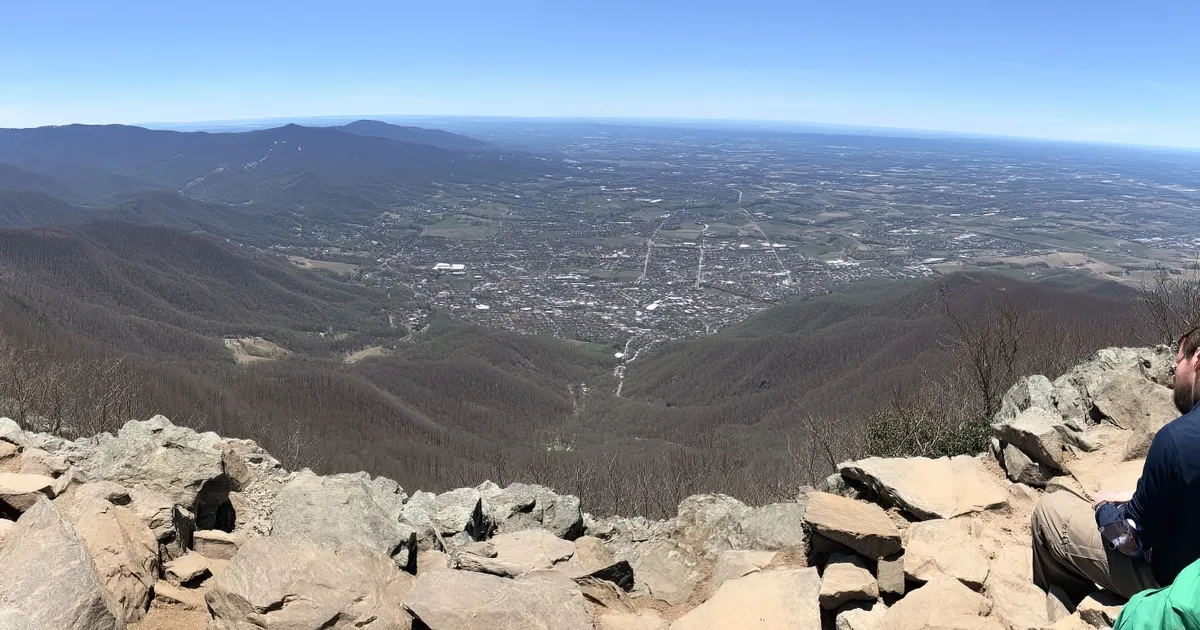
Shenandoah National Park stretches along the crest of Virginia's Blue Ridge Mountains, encompassing over 200,000 acres of protected wilderness just 75 miles from Washington, D.C. This accessibility delivers what many describe as a "western park experience in the east," where cascading waterfalls, panoramic vistas, and quiet forest hollows await millions of annual visitors. The park includes nearly 80,000 acres of designated wilderness, supporting abundant wildlife populations including one of the densest concentrations of black bears in the United States. Unlike parks preserved from pristine wilderness, Shenandoah represents a remarkable story of ecological restoration—these flourishing forests grow where farms and settlements once stood, making every trail a journey through both natural beauty and human history.
The park's backbone is the legendary 105-mile Skyline Drive, which traces the mountain ridgeline from Front Royal to Rockfish Gap. This carefully engineered road, with its deliberate 35-mph speed limit, transforms driving into a meditative experience through 75 scenic overlooks. The drive's milepost system organizes the entire park experience, with concrete markers running from mile 0 in the north to mile 105 in the south, serving as reference points for every trailhead, facility, and viewpoint. Four distinct seasons paint the landscape in dramatically different palettes: spring's wildflower tapestry, summer's lush green canopy, autumn's world-famous foliage display, and winter's stark beauty revealing hidden vistas through bare trees. This regenerated wilderness stands as testament to nature's resilience and the success of American conservation efforts.
Key Highlights
- Skyline Drive: 105-mile scenic mountain road with 75 overlooks
- 500+ Miles of Trails: Including 101 miles of Appalachian Trail
- Black Bear Haven: One of highest densities in United States
- 24 Named Waterfalls: Dramatic cascades throughout the park
- Old Rag Mountain: Iconic rock scramble and 360-degree views
- Dark Hollow Falls: Most popular waterfall, steep descent
- CCC Legacy: Historic structures from 1930s conservation work
- Four Gateway Towns: Front Royal, Luray, Waynesboro, plus connections
Getting There
Four entrance stations provide access to Skyline Drive, each offering different advantages based on your origin and planned activities.
From Washington, D.C. Area
Front Royal (North) Entrance - Mile 0.6
- I-66 West to Exit 6 (Front Royal)
- US 340 South to park entrance
- 75 miles, 1.5 hours
- Best for full park traverse
- Gateway town with services
Thornton Gap Entrance - Mile 31.5
- I-66 West to US 29 South
- US 211 West at Warrenton
- 90 miles, 2 hours
- Central access point
- Near Luray attractions
From Richmond Area
Swift Run Gap Entrance - Mile 65.7
- I-64 West to Exit 96
- US 33 West through Stanardsville
- 100 miles, 2 hours
- Southern-central access
- Less crowded option
Rockfish Gap (South) Entrance - Mile 105.4
- I-64 West to Rockfish Gap
- Junction with Blue Ridge Parkway
- 95 miles, 1.5 hours
- Southern terminus
- Waynesboro services nearby
Important Vehicle Restrictions
- Marys Rock Tunnel (Mile 32.2): 12'8" clearance
- RVs/trailers must verify height
- No commercial vehicles
- Bicycles prohibited on Skyline Drive
Gateway Communities
Front Royal (North): Full services, dining variety, Skyline Caverns Luray (Central): Famous caverns, historic downtown, farm-to-table dining Waynesboro (South): Appalachian Trail town, craft breweries, outdoor gear Elkton/Stanardsville (East): Quieter options, basic services
Best Time to Visit
Each season offers distinct experiences, with visitation patterns heavily influenced by weather and natural phenomena.
Fall: September-November
Peak Foliage Season
- Mid-October: Maximum color
- Extreme crowds weekends
- Weekday visits recommended
- Cooler temperatures: 40-70°F
- Clear skies common
- Book lodging months ahead
Spring: April-June
Wildflower Season
- Peak blooms: Late April-May
- Trilliums, azaleas, mountain laurel
- Moderate crowds
- Variable weather
- Waterfalls at fullest
Summer: June-August
Lush Green Season
- Warmest weather: 70-80°F
- Escape from valley heat
- Thunderstorms common
- Full facilities open
- Longer daylight hours
Winter: December-March
Quiet Season
- Fewest visitors
- Bare trees reveal views
- Snow/ice possible
- Some facilities closed
- Wildlife more visible
Weather Considerations
- Mountain weather unpredictable
- 10-15°F cooler than valleys
- Fog common, especially mornings
- Ice storms November-March
- Always pack layers
Activities and Adventures
The park offers experiences from scenic driving to challenging backcountry adventures, with activities for all ability levels.
Scenic Overlooks
Premier Sunrise Spots
- Hazel Mountain Overlook (Mile 33.0): Rock outcroppings, eastern views
- Thorofare Mountain (Mile 40.5): Clear view of Old Rag Mountain
- Shenandoah Valley Overlook (Mile 2.8): Classic valley panorama
Best Sunset Locations
- Spitler Knoll (Mile 48.0): Grassy foreground, golden hour favorite
- Pinnacles Overlook (Mile 35.0): Southwest exposure, dramatic views
- Hogback Overlook (Mile 20.7): Nearly 360-degree vistas
Hiking Trails
Trail Difficulty System
- Easiest: Under 3 miles, slight inclines
- Moderate: 3-5 miles, moderate elevation
- Moderately Strenuous: 5-8 miles, steep sections
- Strenuous: 7-10 miles, challenging terrain
- Very Strenuous: 8+ miles, rock scrambles
Iconic Hikes
Old Rag Mountain Circuit
- 9.4 miles, Very Strenuous
- Rock scramble to summit
- 360-degree views
- Permit required (March-November)
- $2 ticket via Recreation.gov
- No dogs allowed
Dark Hollow Falls
- 1.4 miles, Moderate (steep)
- 70-foot waterfall
- 440-foot descent
- Most popular waterfall trail
- No pets permitted
- Slippery when wet
Stony Man Trail
- 1.6 miles, Easy
- Second-highest peak
- Minimal elevation gain (340 ft)
- Spectacular views
- Family-friendly
- No dogs allowed
Waterfall Destinations
| Waterfall | Height | Trail Length | Difficulty | Trailhead Mile | |-----------|---------|--------------|------------|----------------| | Overall Run | 93 ft | 6.5 miles | Mod. Strenuous | 21.1 | | White Oak Canyon | 86 ft | 4.6-9.4 miles | Strenuous | 42.6 | | South River | 83 ft | 3.3 miles | Moderate | 62.8 | | Lewis Spring | 81 ft | 3.0 miles | Moderate | 51.2 | | Dark Hollow | 70 ft | 1.4 miles | Moderate | 50.7 | | Rose River | 67 ft | 2.6 miles | Moderate | 49.4 | | Doyles River | 63 ft | 2.7-7.8 miles | Moderate | 81.1 |
Wildlife Viewing
Black Bears
- Population density: 1-2 per square mile
- Best viewing: Dawn/dusk
- Common areas: Big Meadows, southern district
- Maintain 150 feet distance
- Never feed or approach
Other Wildlife
- White-tailed deer (abundant)
- Wild turkey
- Over 200 bird species
- Salamanders (most diverse in park)
- Timber rattlesnakes (rare)
Lodging and Camping
In-park accommodations blend rustic charm with modern amenities, all operated by concessioner Delaware North.
Lodge Accommodations
Skyland Resort (Mile 41.7-42.5)
- Highest point on Skyline Drive
- Variety of rooms and cabins
- Some pet-friendly options
- Dining room with views
- Open April-November
- Book far in advance
Big Meadows Lodge (Mile 51)
- Historic main lodge
- Rustic cabins available
- Great room with fireplace
- Full-service dining
- Central location
- Similar seasonal schedule
Lewis Mountain Cabins (Mile 57.5)
- Furnished cabins
- More secluded setting
- Outdoor grills
- "Camping with walls"
- Smaller, quieter option
Campgrounds
| Campground | Mile | Sites | Reservations | Amenities | Season | |------------|------|-------|--------------|-----------|---------| | Mathews Arm | 22.1 | 166 | Hybrid | Dump station | Apr-Oct | | Big Meadows | 51.2 | 221 | Required | Store, showers | Mar-Nov | | Lewis Mountain | 57.5 | 30 | First-come | Store, showers | May-Oct | | Loft Mountain | 79.5 | 207 | Hybrid | Store, showers | Apr-Oct |
Camping Notes
- No electric/water hookups
- Generators restricted hours
- Bear-proof food storage required
- Quiet hours enforced
- Firewood available for purchase
Backcountry Camping
- Permits required (free)
- Designated sites only
- Appalachian Trail shelters
- Leave No Trace principles
- Bear poles provided
Essential Information
Park Fees
- Vehicle (7 days): $30
- Motorcycle: $25
- Individual: $15
- Annual Pass: $55
- America the Beautiful accepted
Visitor Centers
Dickey Ridge (Mile 4.6)
- Northern information hub
- Exhibits and films
- Ranger programs
- Open April-November
Byrd Visitor Center (Mile 51)
- Main visitor facility
- Extensive exhibits
- Year-round operation
- Junior Ranger programs
Safety Alerts
Wildlife Encounters
- Black bears: 150 feet minimum
- Other wildlife: 75 feet
- Store food properly
- Report aggressive behavior
- Never run from bears
Trail Hazards
- Slippery rocks near water
- Steep drop-offs
- Poison ivy common
- Tick precautions essential
- Rattlesnakes possible
Weather Dangers
- Lightning on exposed peaks
- Hypothermia risk year-round
- Flash floods in hollows
- Ice storms winter
- Fog reduces visibility
Special Regulations
Old Rag Permits
- Required March 1-November 30
- $2 per person
- Purchase on Recreation.gov
- 800 daily limit
- No dogs on rock scramble
Pet Restrictions
- Allowed on most trails
- Prohibited: Old Rag, Stony Man, others
- 6-foot leash required
- Clean up waste
- Not allowed in buildings
Services
Dining Options
- Pollock Dining Room (Skyland)
- Spottswood Dining Room (Big Meadows)
- Wayside snack bars (3 locations)
- Limited hours off-season
Emergency Services
- 911 service available
- Rangers trained EMTs
- Nearest hospitals: Luray, Harrisonburg
- Cell service spotty
- Emergency phones at facilities
What to Bring
Year-Round Essentials
- Layers for temperature changes
- Rain gear
- Sturdy hiking boots
- Water (streams not potable)
- Snacks/lunch
- First aid kit
Seasonal Additions
- Bug spray (summer)
- Tick repellent (spring-fall)
- Ice cleats (winter)
- Sunscreen (all seasons)
- Binoculars (wildlife viewing)
Shenandoah National Park offers an extraordinary testament to nature's power of renewal, where a landscape once cleared and farmed has returned to wilderness through deliberate conservation. Its proximity to major population centers makes it uniquely accessible, yet its 200,000 acres provide genuine solitude for those who venture beyond the scenic drive. Whether you come for the world-renowned fall colors, the spring wildflower displays, the cooling summer forests, or the stark winter beauty, Shenandoah rewards visitors with cascading waterfalls, panoramic mountain vistas, and encounters with thriving wildlife populations. This is a park that proves wilderness can be both recovered and preserved, offering hope and natural splendor in equal measure to all who travel its storied ridgeline.
Park Overview
Detailed overview of the park's history, geography, and main attractions will go here. This section provides essential background information for visitors.
Top Hikes
- Iconic Summit TrailDifficulty: Strenuous • Distance: 8 miles round trip
Loading reviews…
- Waterfall LoopDifficulty: Moderate • Distance: 3 miles loop
Loading reviews…
- Lakeside WalkDifficulty: Easy • Distance: 1.5 miles out & back
Loading reviews…
Recommended Hiking Gear
Gear up for your adventure with our trusted partners. These items help support the site at no extra cost to you!

Places to Stay
- Historic Park LodgeBook early!Type: Lodge
Loading reviews…
- Riverside CampgroundReservations required.Type: Campground
Loading reviews…
- Gateway Town Hotel15 miles from entrance.Type: Nearby Hotel
Loading reviews…