Yosemite National Park: 3,000-Foot Granite Walls That Kill Yearly
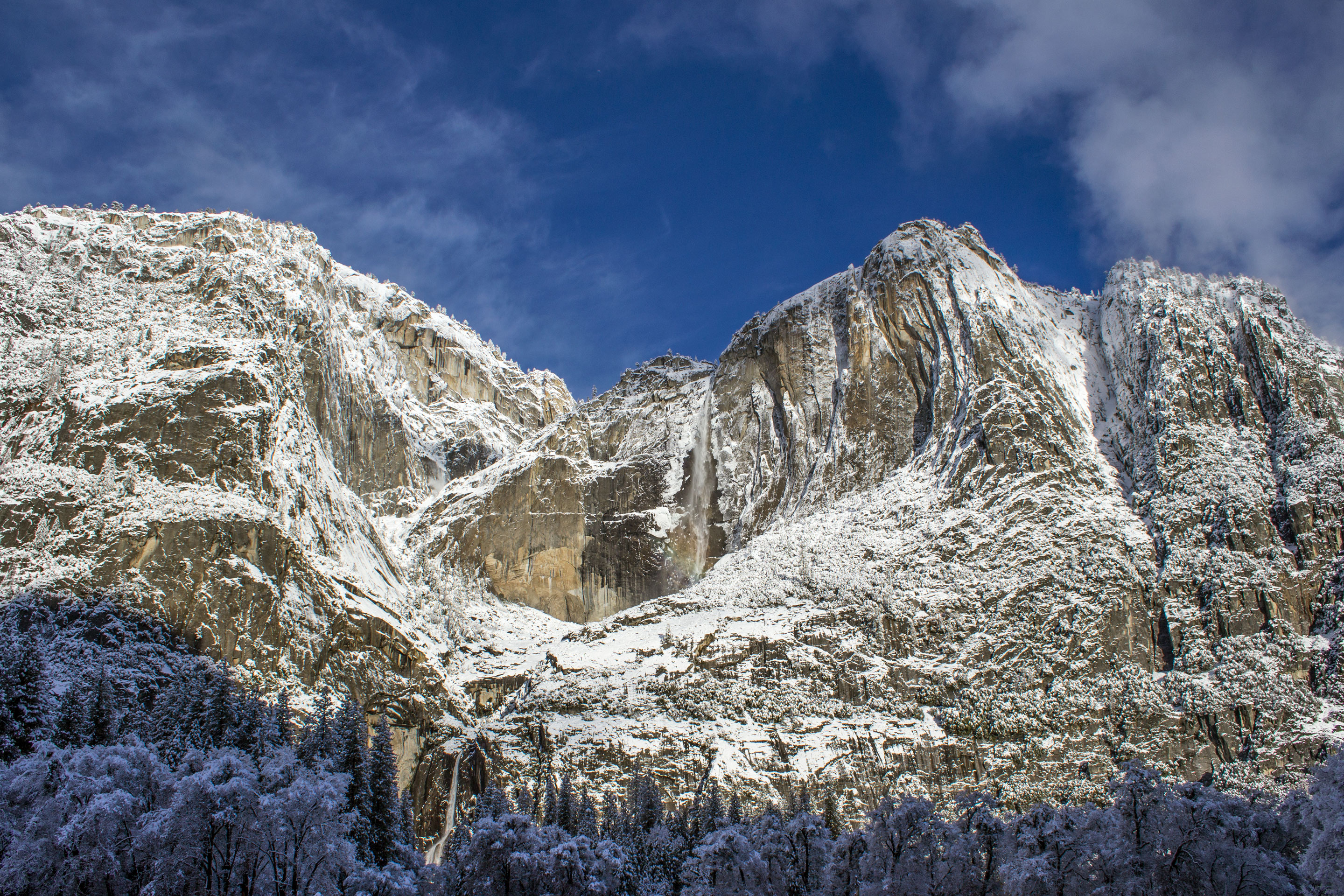
Carved by glaciers into a vertical granite death trap, Yosemite National Park lures 3.9 million annual visitors to waterfalls that sweep people to their deaths, 3,000-foot cliff faces where one slip means certain death, and the Half Dome cables that become lightning rods during afternoon storms. This 750,000-acre Sierra Nevada wilderness kills through waterfall drownings, granite falls, bear attacks, and altitude sickness while Instagram photographers chase the perfect shot. With the Merced River claiming lives during spring runoff, black bears that break into cars like professionals, and search-and-rescue operations happening daily, Yosemite proves that California's most photographed landscape is also its deadliest vertical playground.
Essential Information at a Glance
- Size: 759,620 acres in California's Sierra Nevada
- Established: October 1, 1890
- Annual Visitors: 3,897,070 (2023) - #7 most visited national park
- Elevation Range: 2,000 feet (valley entrance) to 13,114 feet (Mt. Lyell)
- Entry Fee: $35 per vehicle (7 days), $20 per person
- Half Dome Permits: $10 lottery + $10 per person
- Key Dangers: Waterfall drownings, granite falls, lightning strikes, bear attacks
Survival Essentials: Vertical Wilderness Preparedness
The Waterfall Equation: Slick Granite + Fast Water = Death
Yosemite's waterfalls have killed dozens who ventured too close to slippery granite edges. The Merced River above Vernal Fall has swept over 15 people to their deaths since 2000. One slip on wet granite equals a 317-foot fall.
Recommended gear: granite climbing safety
- Hiking Backpacksvia REI
- Trail Shoesvia Merrell
- Book Lodgingvia Booking.com
- Car Rentalsvia Rentalcars.com
We may earn a commission from purchases made through links on this page. See our disclosure.
Yosemite Survival Arsenal
Granite Safety Gear
- Approach shoes with sticky rubber soles
- Climbing gloves for Half Dome cables
- Full body harness (optional but smart for cables)
- Trekking poles with carbide tips
- Helmet for rockfall zones
Bear Defense Equipment
- Bear-proof containers (mandatory)
- Car window barriers (bears break windows)
- Scent-proof bags for everything
- Cable locks for coolers
- Motion alarms for campsites
Water Hazard Protection
- Swift water rescue throw bag
- Personal flotation device for river crossings
- Waterproof gear bags
- Emergency whistle (waterproof)
- Hypothermia prevention kit
Lightning & Weather Gear
- Weather radio with alerts
- Lightning detector device
- Emergency bivy sack
- Space blankets (multiple)
- Storm shelter knowledge
Death Zones: Yosemite's Vertical Geography
Vernal Fall: The Mist Trail Death Trap
317-foot waterfall where mist creates slick granite surfaces. Emerald Pool above the fall looks inviting but has swept 15+ people over the edge. Current is deceptively strong. Granite steps become ice rinks when wet. No barriers at critical points.
Nevada Fall: 594 Feet of No Second Chances
Double the height of Vernal Fall. Multiple drownings at top where people swim. Granite slabs angle toward cliff edge. Afternoon sun creates blinding glare on wet rock. Rescue nearly impossible once swept into current.
Half Dome Cables: Lightning Rod to Heaven
- Statistics: 60+ deaths on Half Dome since park established
- Lightning Strikes: Kill/injure multiple people yearly
- Cable Season: Late May - October (weather dependent)
- Daily Limit: 300 permits (lottery system)
- Reality: 400 feet of exposed cables, 45-degree granite
El Capitan: 3,000-Foot Granite Tombstone
Climbers die yearly from falls. Base jumpers die illegally jumping. Rockfall kills people at base. Tourists die trying unofficial routes. Heat stroke common on exposed faces.
Yosemite Valley: Compression Zone of Death
7 square miles containing most facilities and deaths. Merced River drownings during high water. Traffic accidents from distracted driving. Bear encounters at campgrounds. Rockfall from valley walls.
Waterfall Survival: Understanding Hydraulics of Death
Fatal Attraction Points
Emerald Pool (Above Vernal Fall)
- Looks calm but has strong undertow
- Granite slopes toward 317-foot drop
- Current accelerates near edge
- 15+ swept over since 2000
- Bodies often never recovered
Silver Apron (Above Nevada Fall)
- Natural granite water slide
- Ends in 594-foot drop
- Multiple fatal accidents
- Looks fun but kills
Mirror Lake Area
- Seasonal drowning trap
- Deep pools with undertow
- Cold water shock
- Hidden rocks below surface
Water Temperature Reality
- Spring Runoff: 35-45°F
- Summer: 45-55°F
- Fall: 50-60°F
- Hypothermia: 15-30 minutes
- Shock Response: Immediate
River Survival Rules
- NEVER swim above waterfalls
- Avoid water during high flow (May-June)
- Granite + water = ice rink
- If swept away, feet first
- Cold shock kills before drowning
Wildlife: Yosemite's Criminal Bears
Black Bears: 300-500 Breaking & Entering Specialists
Behavior: Most aggressive car break-in bears in any park Property Damage: $500,000+ annually Speed: 35 mph Climbing: Better than you Intelligence: Open car doors, break windows
Car Break-In Prevention:
- Remove EVERYTHING scented
- Include unopened cans/bottles
- Window tinting doesn't stop them
- They recognize cooler shapes
- $5,000+ damage typical
Mountain Lions: 40+ Silent Stalkers
Territory: Entire park Hunt Pattern: Dawn/dusk ambush Prey: Includes humans (rare but documented) Hot Zones: Backcountry trails Defense: Fight back aggressively
Rattlesnakes: Valley Floor Danger
Species: Northern Pacific rattlesnake Active: March-October Hot Zones: Below 8,000 feet Behavior: Often on warm granite Bite Treatment: $50,000+ average
Plague-Carrying Rodents
Disease: Bubonic plague in ground squirrels Transmission: Flea bites Symptoms: Fever, swollen lymph nodes Prevention: Don't feed/approach any rodents Treatment Window: 24 hours critical
Seasonal Death Patterns
Spring (April-June): Waterfall Death Season
Temperature: 40-75°F Hazards:
- Peak waterfall flow = maximum drownings
- Snowmelt creates torrential rivers
- Wet granite everywhere
- Hypothermic water temperatures
- Trail washouts and collapses
Survival Rules:
- Stay 50+ feet from waterfall edges
- Never enter water above falls
- Granite + mist = death surface
- Afternoon thunderstorms common
- Snow persists above 8,000 feet
Summer (July-September): Crowd Crush Chaos
Temperature: 50-95°F Hazards:
- Half Dome lightning strikes
- Heat exhaustion in valley
- Bear break-ins peak
- Dehydration at altitude
- Traffic accidents from distraction
Critical Timing:
- Start Half Dome by 4 AM
- Off summit by noon (storms)
- Parking impossible after 9 AM
- Heat peaks 2-5 PM
- Bears most active at night
Fall (October-November): Transition Trap
Temperature: 30-70°F Hazards:
- Flash floods from storms
- Early snow catches hikers
- Shorter days = more rescues
- Rock fall from freeze-thaw
- Hunting season adjacent lands
Winter (December-March): Avalanche & Ice
Temperature: 20-50°F Access: Many roads closed Hazards:
- Avalanches kill backcountry skiers
- Ice creates fatal falls
- Chains required, accidents common
- Hypothermia in minutes
- Limited rescue capability
Half Dome: The Ultimate Death Magnet
Cable Statistics
- Round Trip: 14-16 miles
- Elevation Gain: 4,800 feet
- Cable Section: 400 feet at 45-50 degrees
- Deaths: 60+ since 1919
- Injuries: 100+ annually
Death Causes
- Lightning Strikes: Multiple fatalities
- Falls from Cables: Wet conditions deadly
- Falls from Summit: Showing off kills
- Heart Attacks: Altitude + exertion
- Dehydration: Underestimating water needs
Survival Protocol
- Start before 5 AM (avoid storms)
- Minimum 3 liters water per person
- Turn back if ANY clouds visible
- Leather gloves mandatory
- Clip in with via ferrata kit (optional but smart)
- If storm approaches, GET DOWN IMMEDIATELY
Climbing Deaths: El Capitan's Body Count
Annual Statistics
- Climbing Deaths: 2-5 yearly
- Causes: Falls, rockfall, weather
- BASE Jumping: Illegal, multiple deaths
- Rescue Cost: $50,000+ typical
Common Fatal Errors
- Inadequate water (dehydration)
- Poor rope management
- Ignoring weather warnings
- Exhaustion leading to mistakes
- Rockfall from parties above
Navigation & Emergency Reality
Cell Coverage
- Valley Floor: Sporadic AT&T/Verizon
- High Country: Zero coverage
- Granite Walls: Block all signals
- Emergency: Text sometimes works
- WiFi: Limited at lodges
Search & Rescue Statistics
- Annual Missions: 200+
- Average Response: 2-6 hours
- Helicopter: Weather dependent
- Cost: Your responsibility
- Body Recovery: Sometimes takes days
Emergency Resources
- Park Dispatch: 911 or (209) 379-1992
- Medical Clinic: Valley floor only
- Helicopter Landing: Few safe zones
- Nearest Hospital: Mariposa (1 hour)
Cost Reality Check
Entrance & Permits
- 7-Day Vehicle: $35
- Annual Pass: $70
- Half Dome Permits: $10 lottery + $10 pp
- Wilderness Permits: $10 + $5 pp
- Rock Climbing: No permit required
Valley Camping
- Upper Pines: $36/night (year-round)
- Lower Pines: $36/night (March-October)
- North Pines: $36/night (April-September)
- Camp 4: $10/person (walk-in only)
- Reservations: Sell out in minutes
Lodging Reality
- Ahwahnee Hotel: $500-700/night
- Yosemite Valley Lodge: $250-300/night
- Curry Village Tent: $150-200/night
- Curry Village Cabin: $200-300/night
- Outside Park: $100-400/night
Food & Supplies
- Pizza (Curry Village): $30 large
- Restaurant Meal: $20-60/person
- Groceries: 40% markup
- Gas: $1+ above average
- Bear Box: Free but mandatory
Traffic & Transportation Hazards
Valley Road System
- One-way loops confuse GPS
- Parking impossible after 9 AM
- Pedestrians everywhere
- Wildlife on roads
- Distracted driving epidemic
Mountain Roads
- Glacier Point Road: Closed Nov-May
- Tioga Pass: Closed Oct-June typically
- Wawona Road: Chains required in snow
- Big Oak Flat: Steep grades, brake failure common
Shuttle System
- Free in valley
- Reduces parking stress
- Limited schedule
- Crowded in summer
- No gear transport
10 Commandments of Yosemite Survival
- Water + Granite = Death - Never approach waterfall edges
- Bears Own Your Car - Remove everything or pay thousands
- Lightning Loves Half Dome - Afternoon storms kill climbers
- Valley Heat Kills - 95°F with no shade
- Permits Required - Half Dome, wilderness, camping
- Crowds Create Danger - Start everything before 7 AM
- Granite Doesn't Forgive - One slip = death
- Water Is Always Cold - Hypothermia in minutes
- Altitude Is Real - 4,000-13,000 feet affects everyone
- Nature Bats Last - Respect or become statistic
Final Reality Check
Yosemite's Instagram-perfect waterfalls and granite walls hide a brutal truth: this park kills people every year who underestimate its vertical nature. Those crystal-clear pools above waterfalls are conveyor belts to death. The Half Dome cables become lightning rods every afternoon. Bears here are professional criminals who cause $500,000 in property damage annually. The granite that makes perfect climbing also creates perfect falling conditions when wet. Every summer, helicopters pull bodies from below waterfalls, off cliff faces, and out of rivers because someone thought they were the exception to physics. Come prepared with proper gear, deep respect for vertical exposure, and the wisdom to turn back when granite gets wet or clouds build. In Yosemite, the difference between an epic adventure and a body recovery is usually just one bad decision made in pursuit of the perfect photo.
Real satellite imagery on NASA elevation — orbit the peaks at true scale.
Explore in 3D →Trails worth your morning.
Distance and difficulty for the well-known routes — verify current conditions at the visitor center on arrival.
What the park will quietly do to you.
Heat & Sun
SummerSummer highs can hit 100°F+ in many western parks. Carry 2 L of water per person minimum and avoid strenuous activity 10am–4pm.
Wildlife
Year-roundKeep 100 yards from bears and wolves, 25 from everything else. Never feed wildlife — it changes their behavior and ends with the animal euthanized.
Weather windows
SummerHigh-country thunderstorms build fast in summer afternoons. Plan to be off exposed ridges by noon, especially July–September.
Permits & timed entry
Plan aheadSeveral parks require timed-entry reservations or wilderness permits. Reserve weeks ahead via recreation.gov — same-day windows are limited.
Hero photo: NPS / Cindy Jacoby